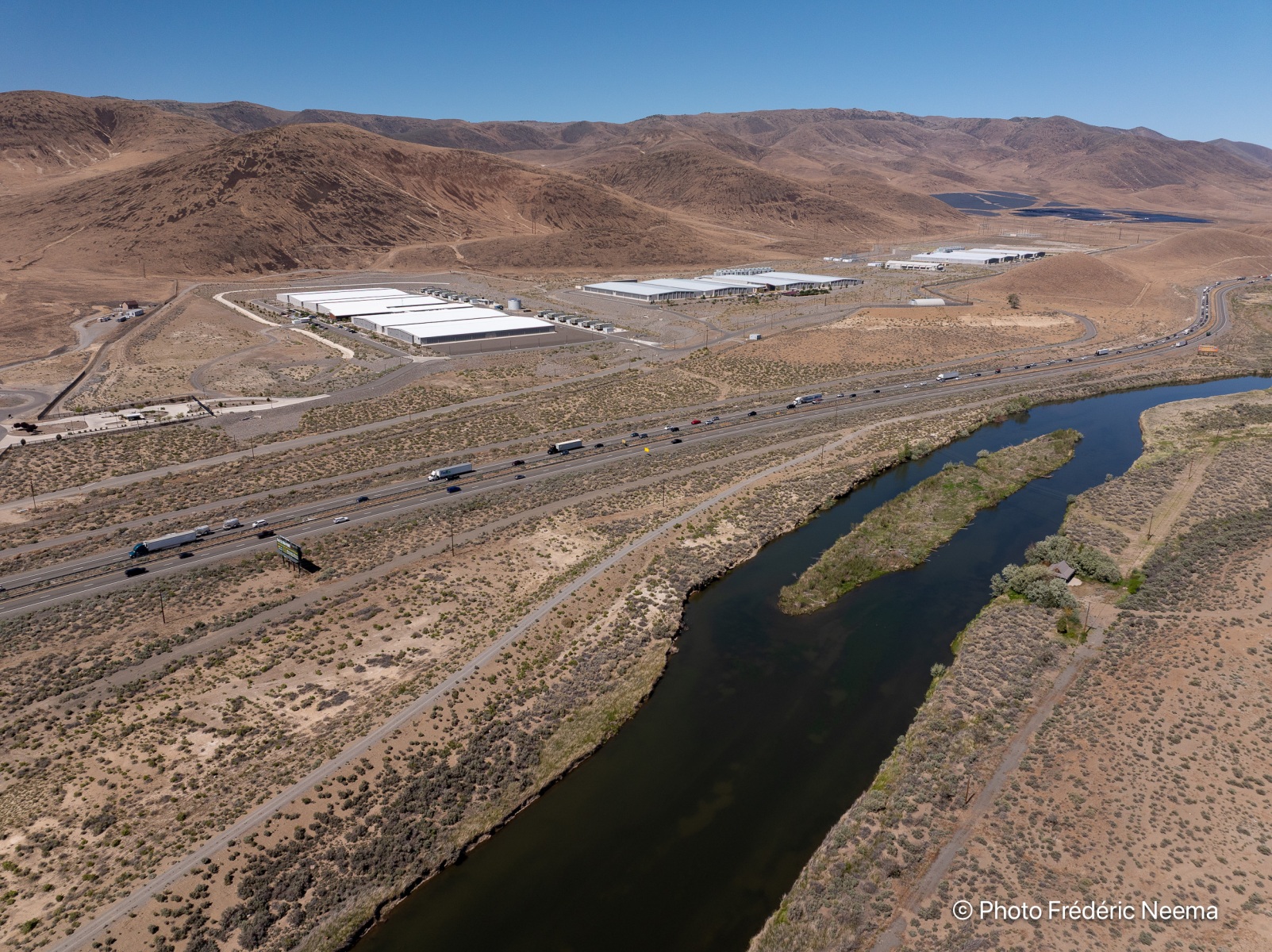
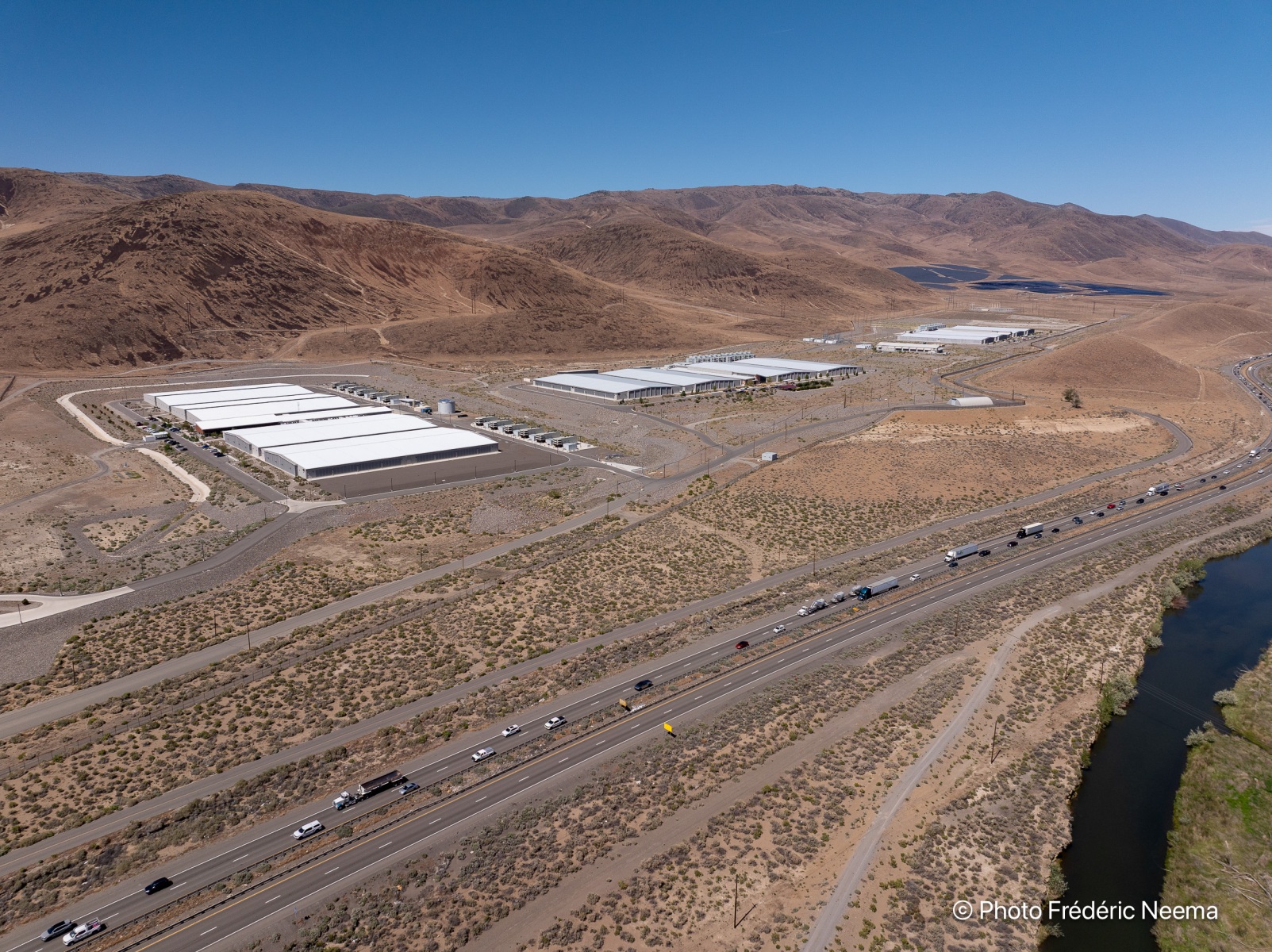
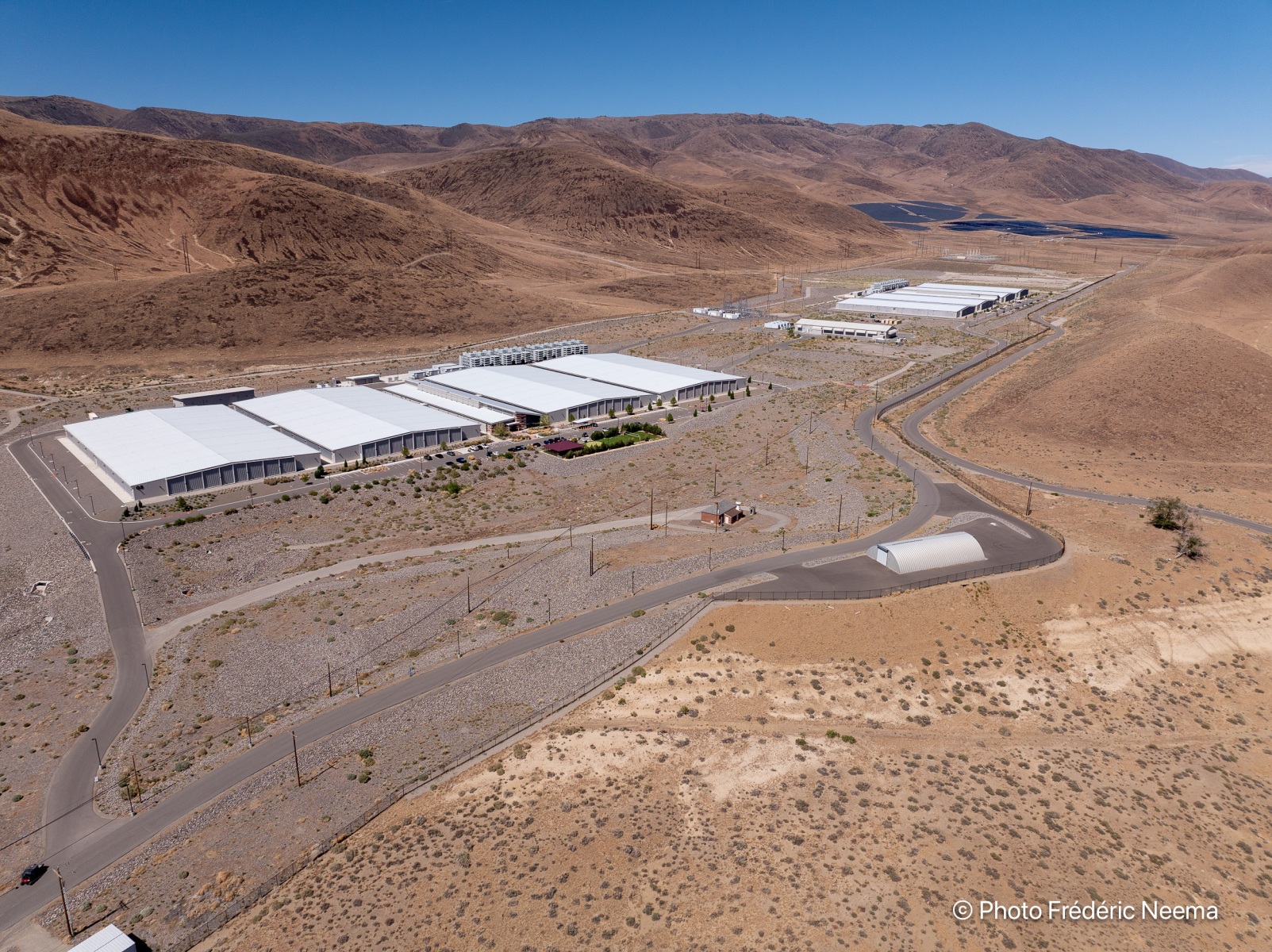
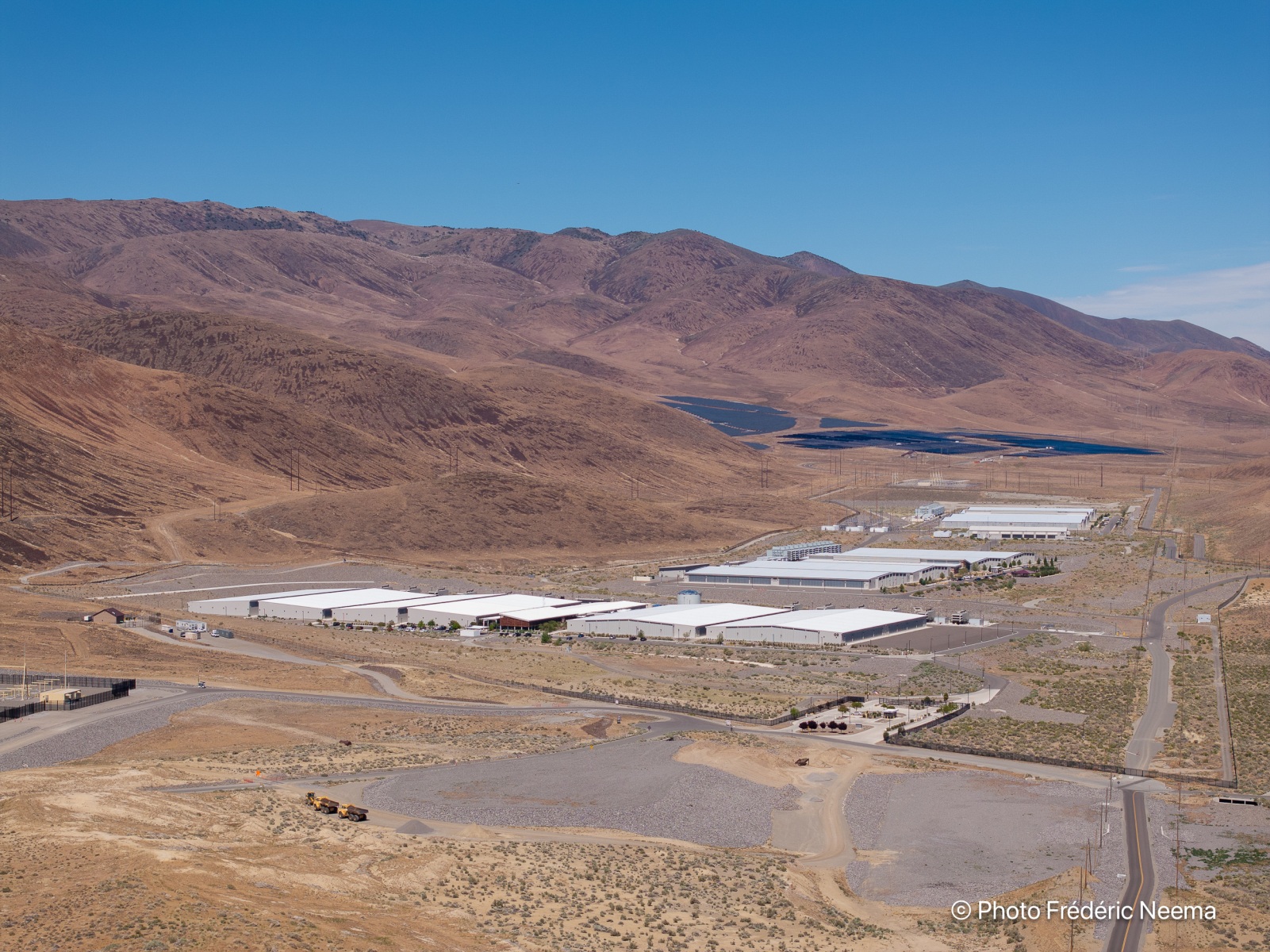
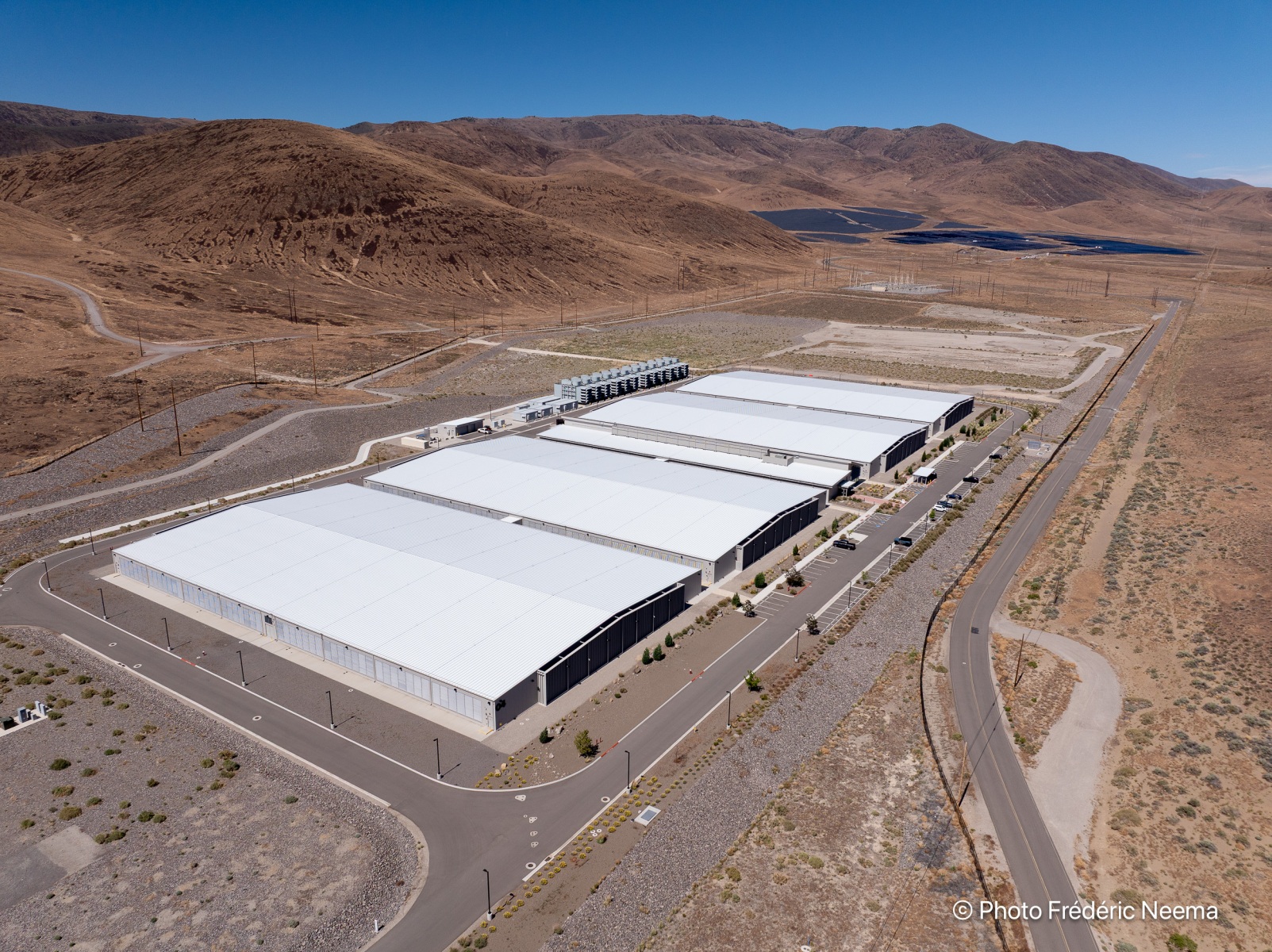
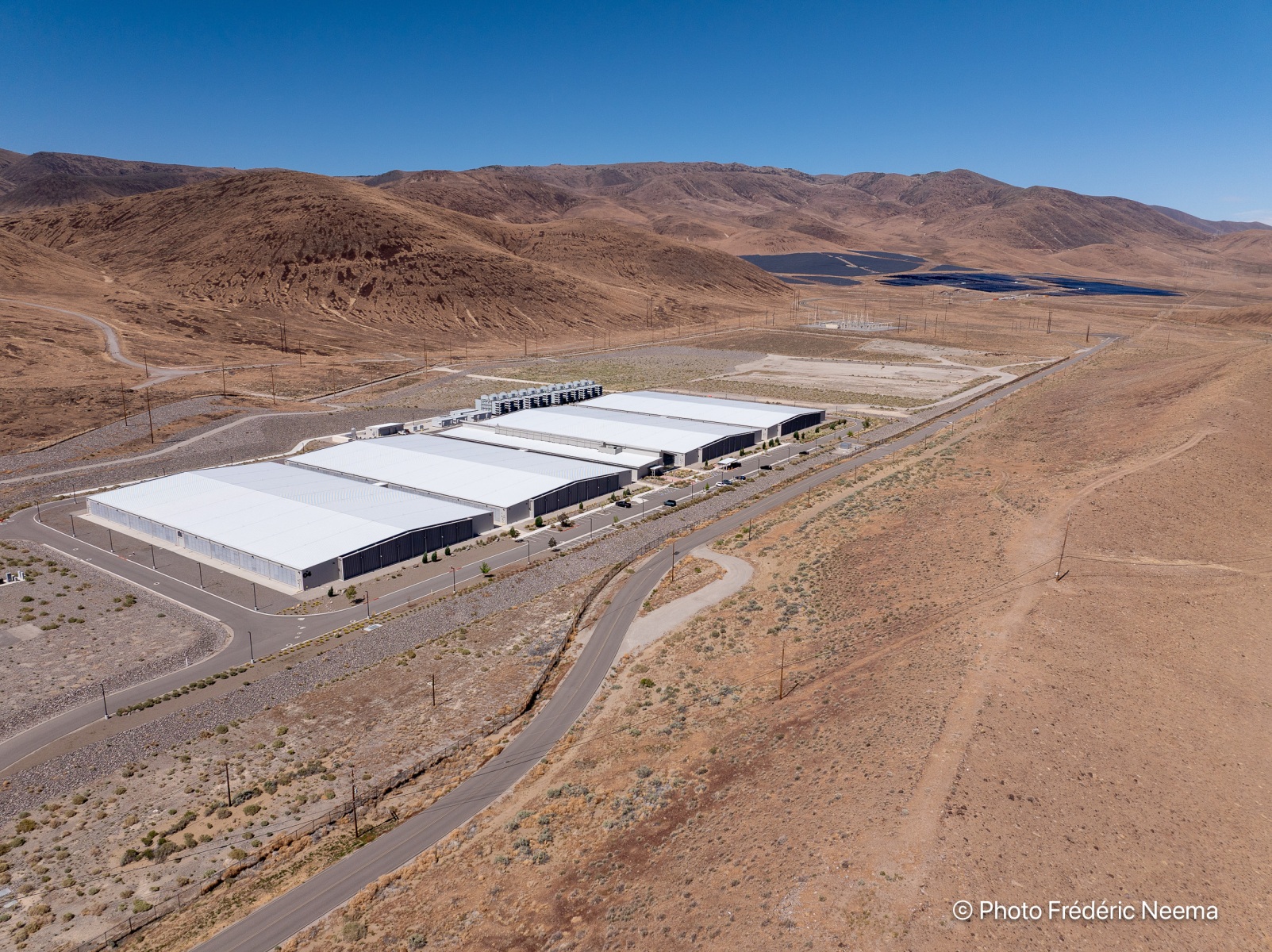
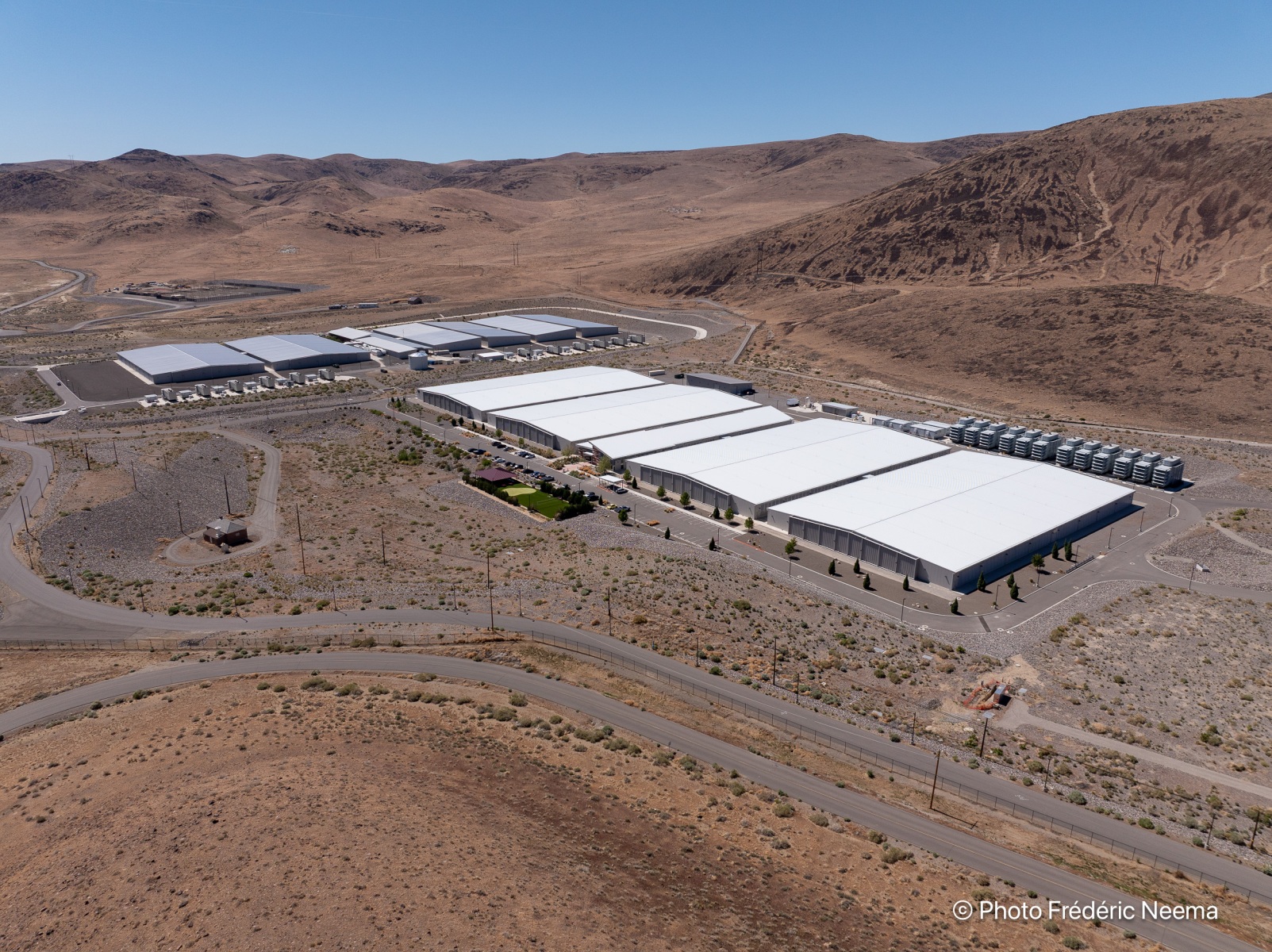
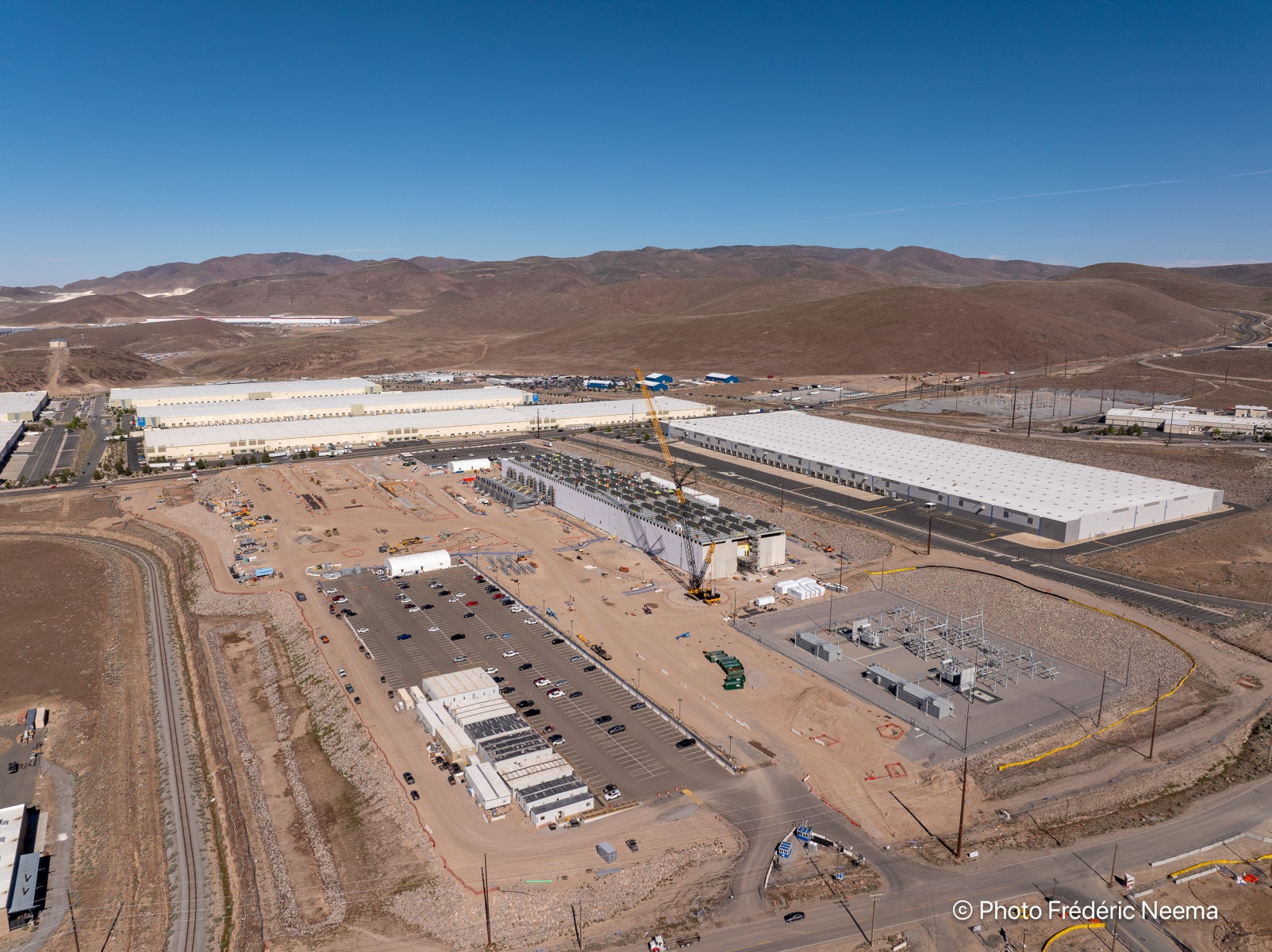
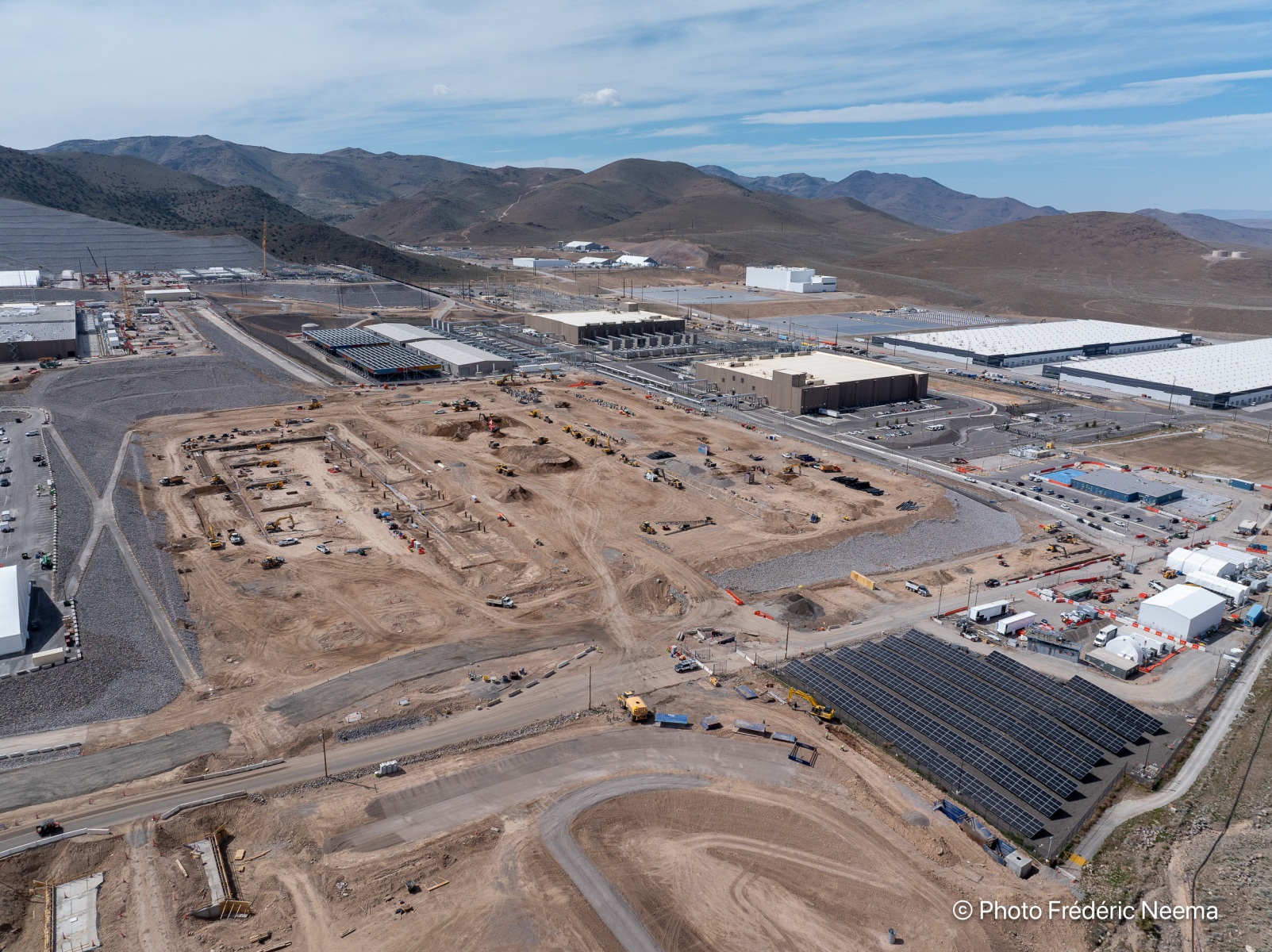
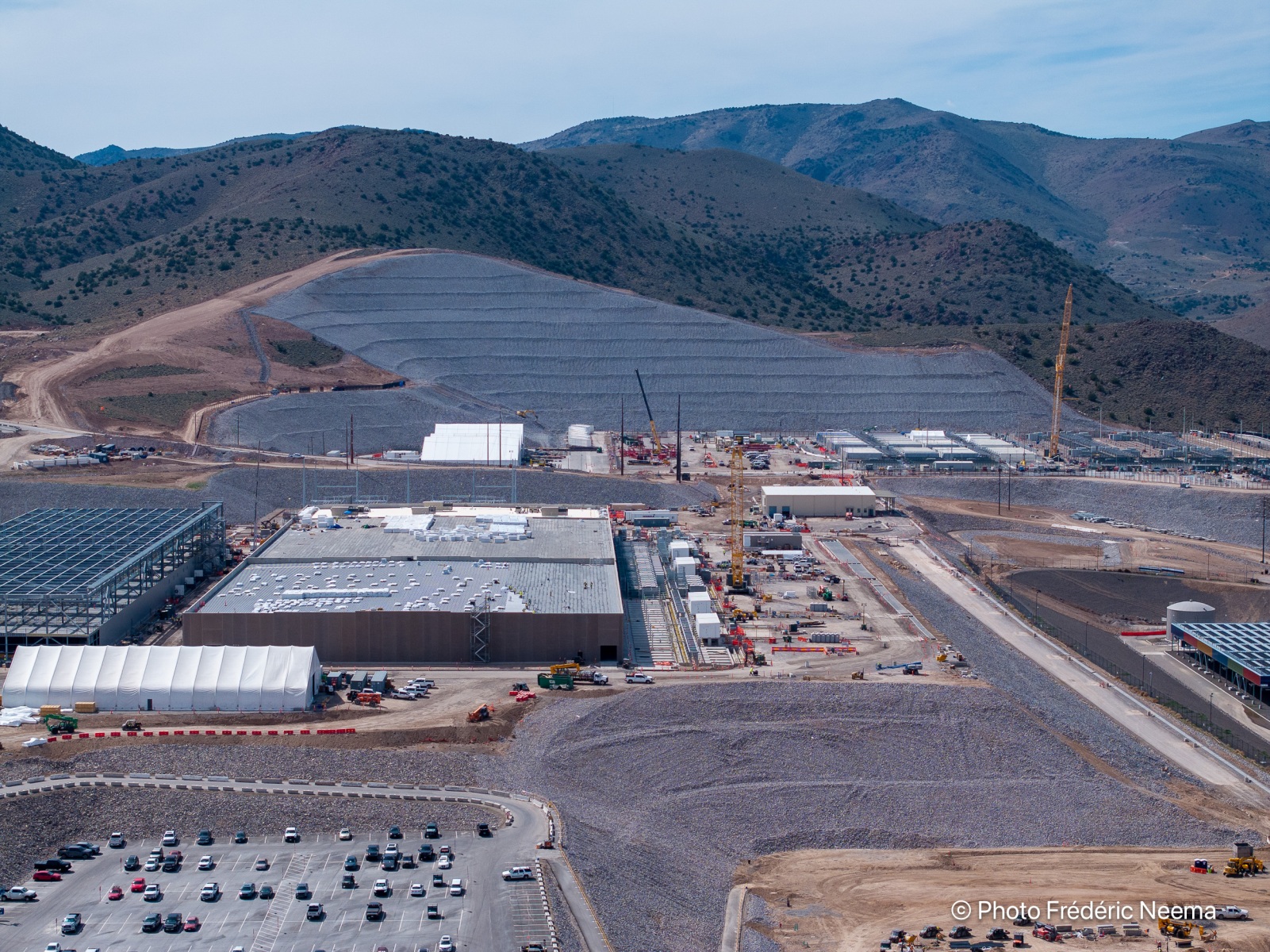
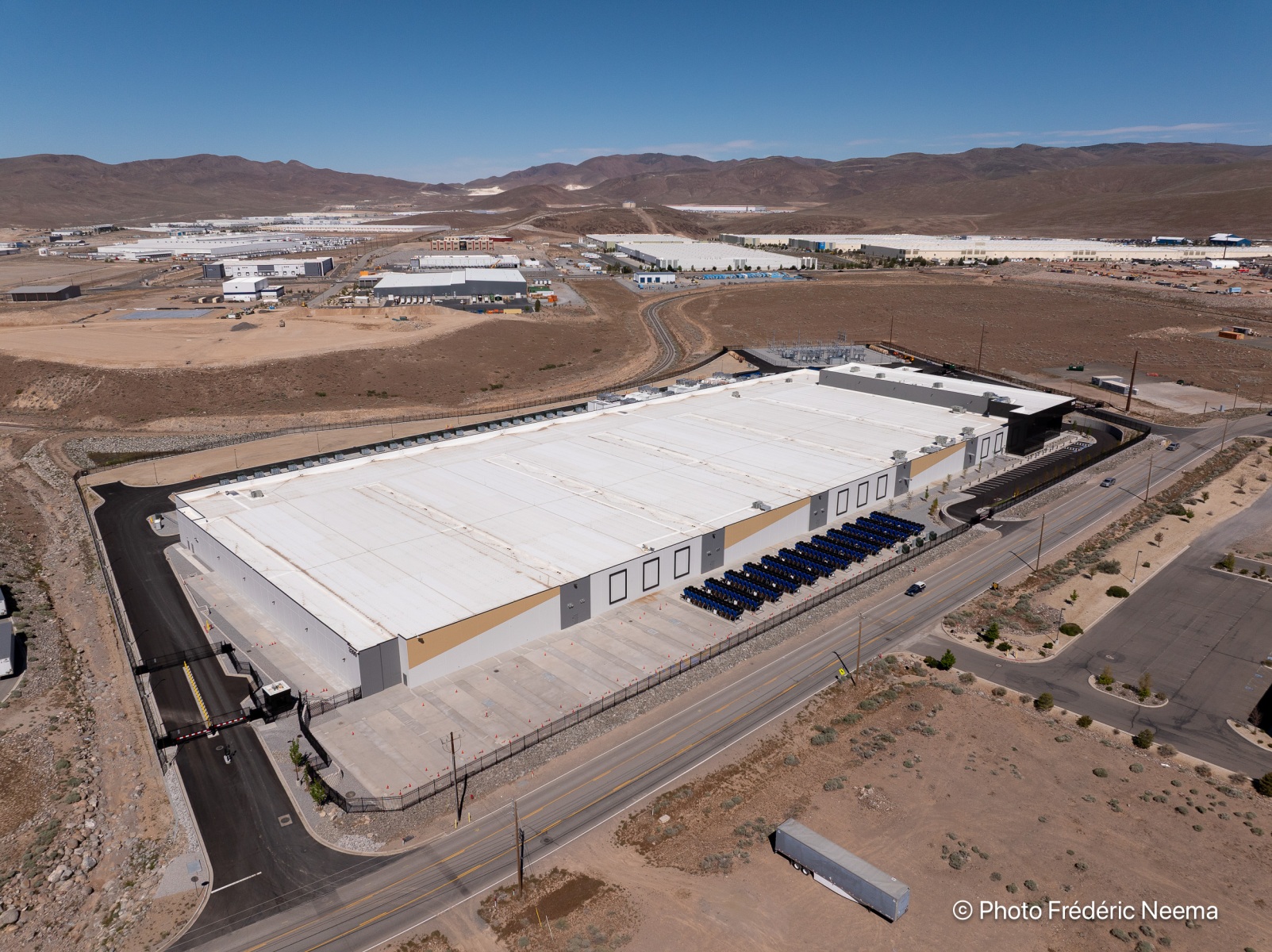
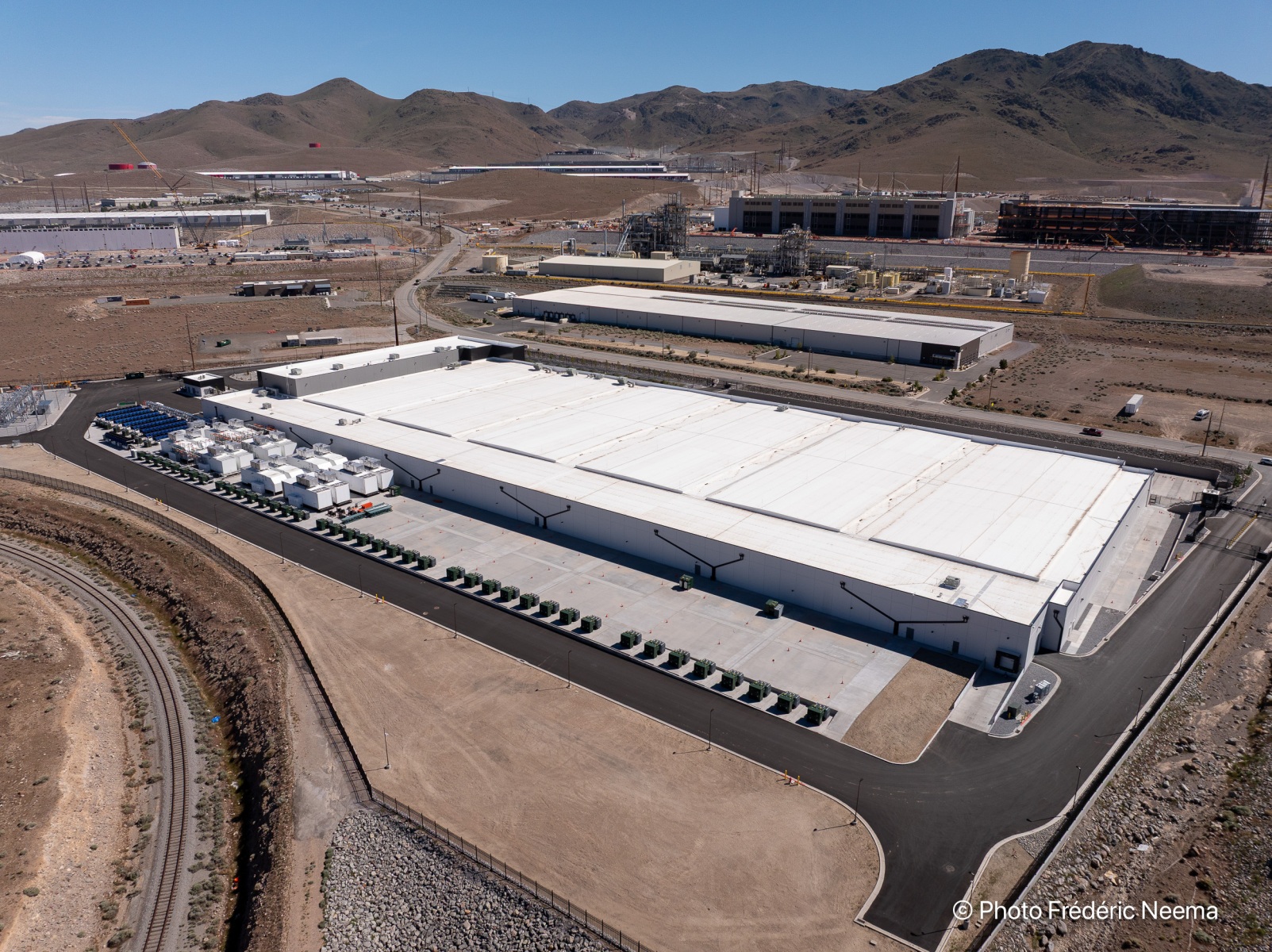
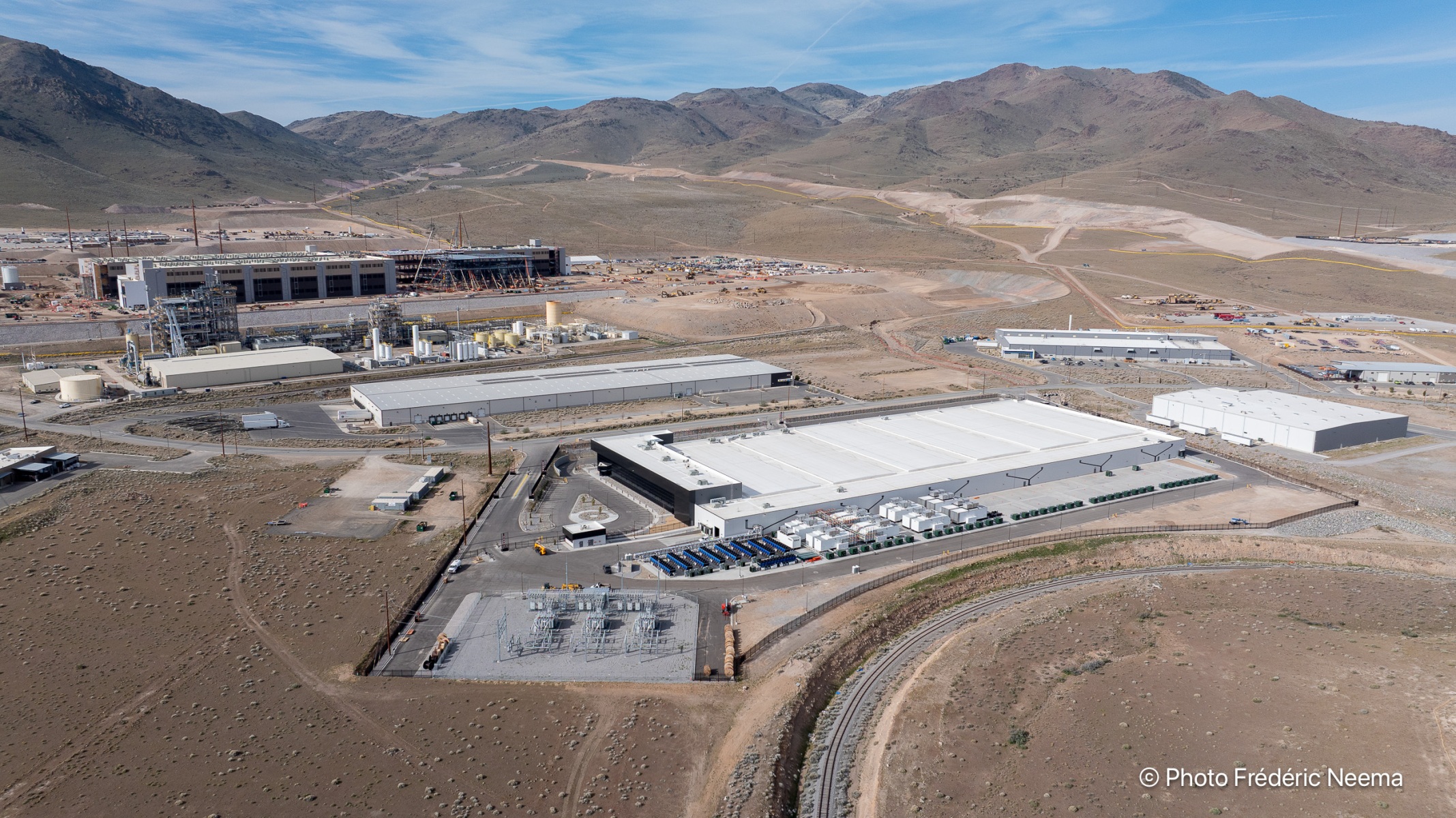
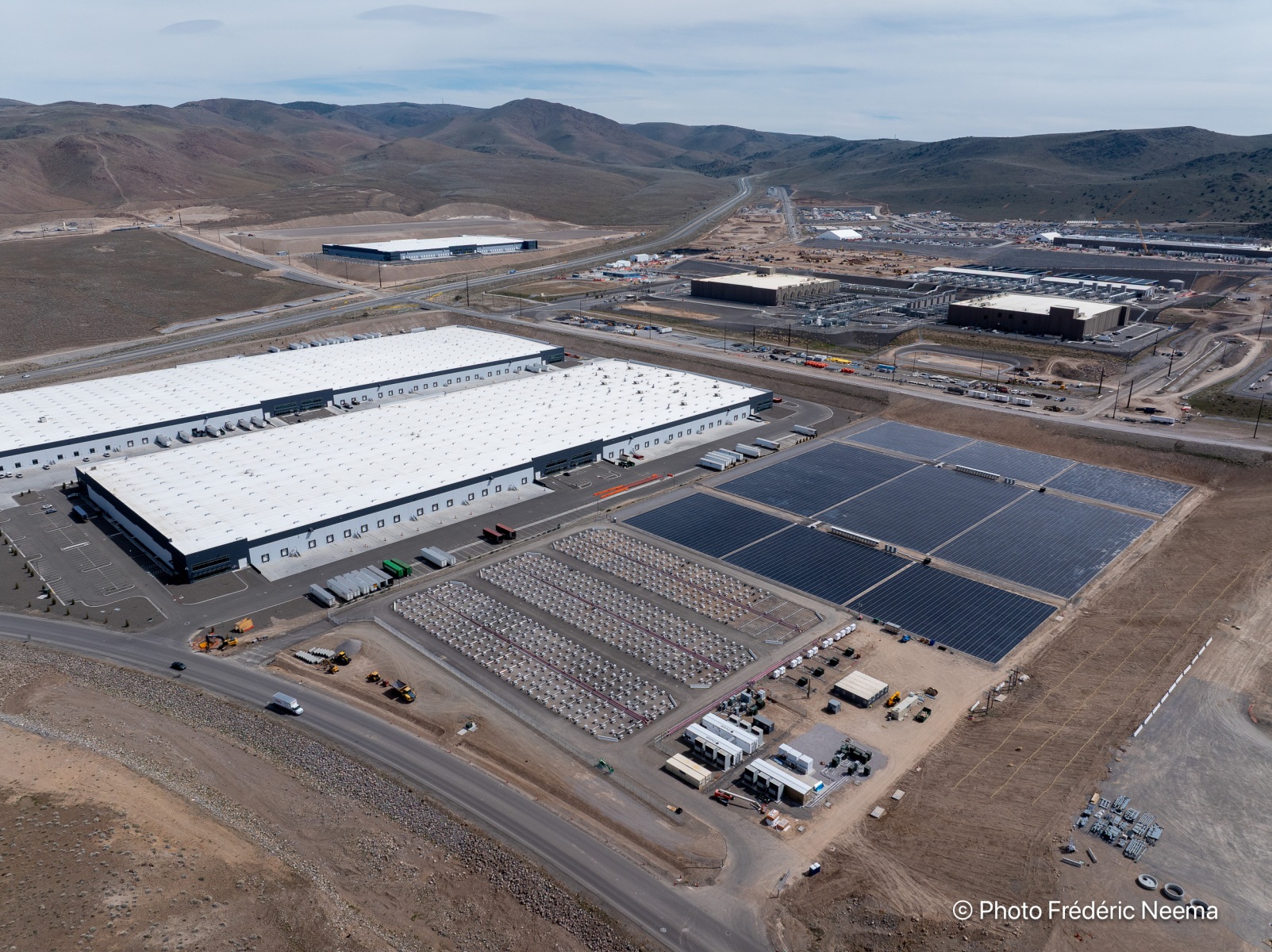
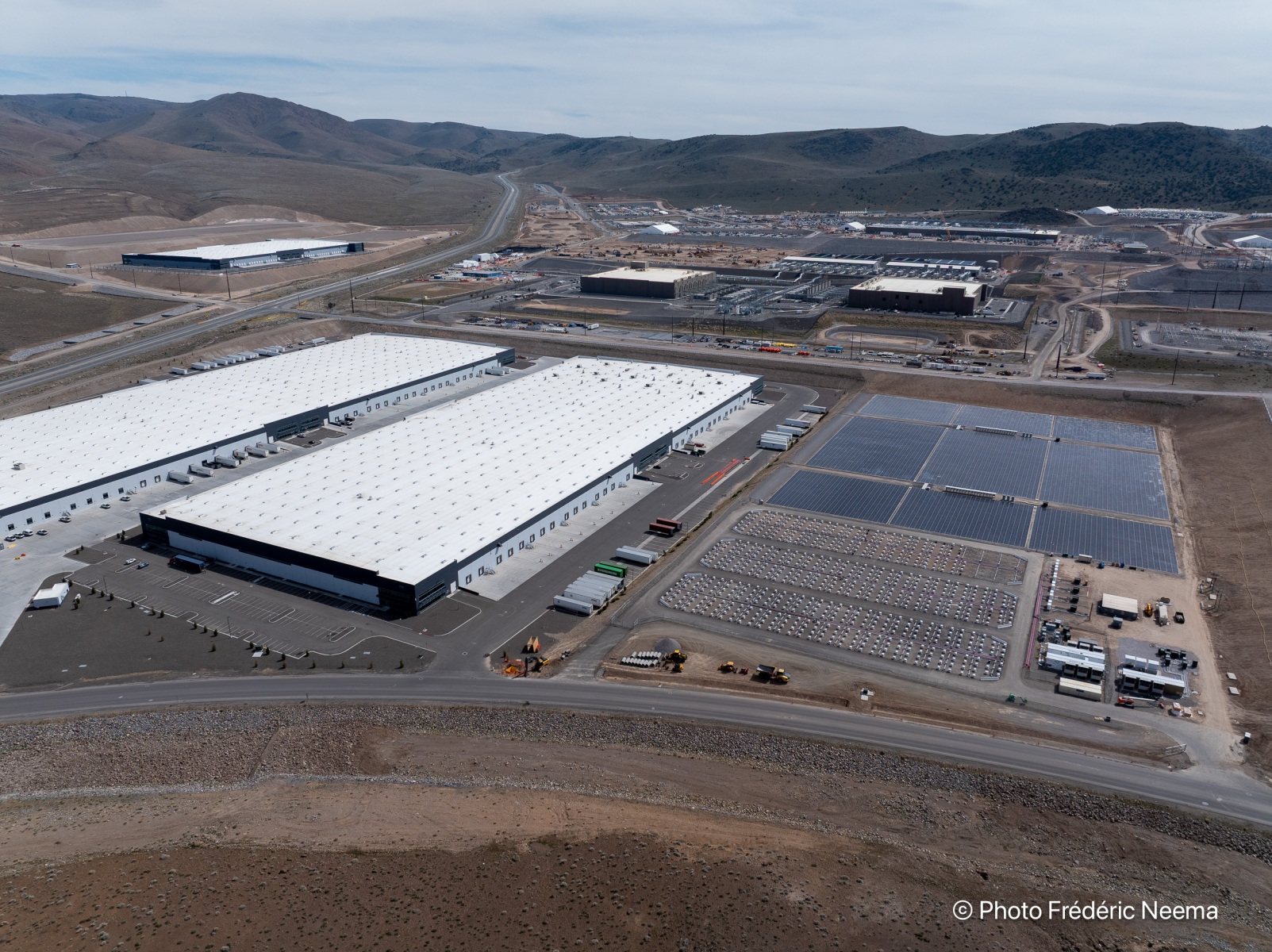
Across the high desert east of Reno and Sparks, Nevada, a new industrial landscape is emerging. At the center of this transformation is the Tahoe Reno Industrial Center, or TRIC, one of the largest industrial parks in the world and one of the fastest-growing concentrations of hyperscale data centers in the western United States. What was once largely open desert is now becoming critical infrastructure for the global digital economy, powering cloud computing, artificial intelligence, data storage, and the invisible systems behind everyday online life.
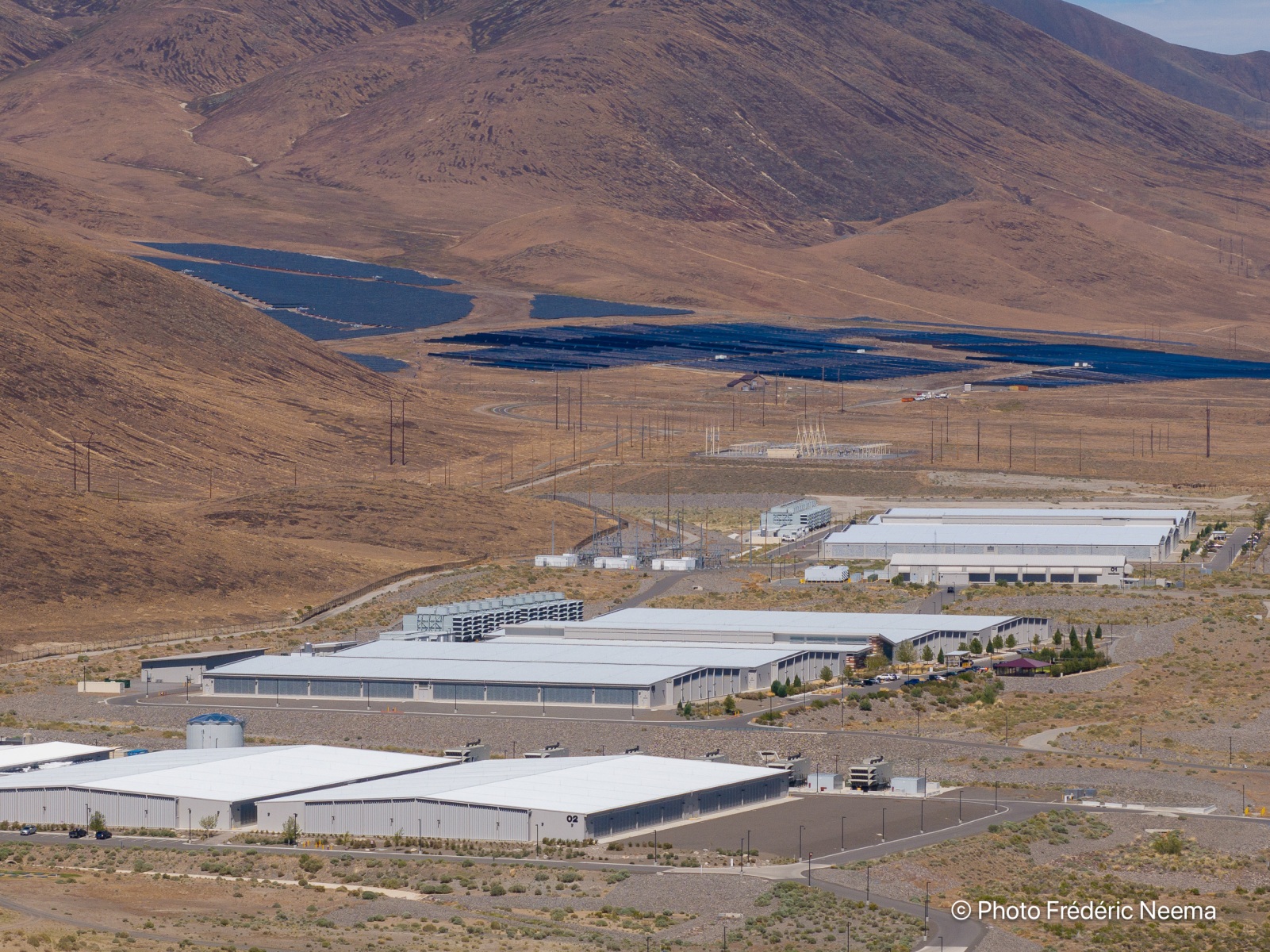
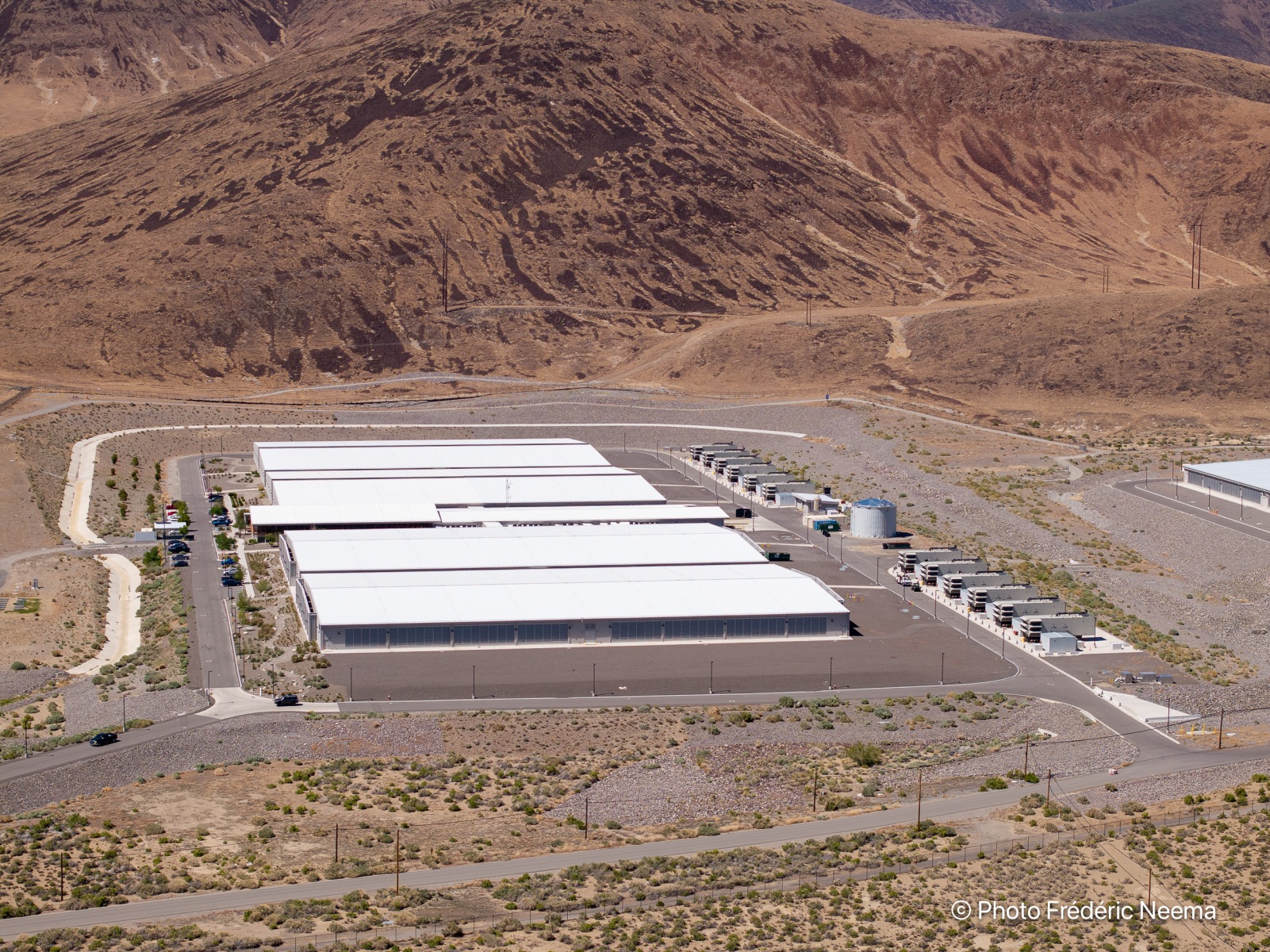
Some of the world’s largest technology companies have established massive campuses there. Apple opened its Reno data center campus in 2012, strategically selecting northern Nevada for its dry climate, available land, and efficient cooling conditions. Using outside air cooling for much of the year, the facility supports services such as iCloud and other online infrastructure while also relying heavily on nearby renewable energy projects, including large scale solar installations.
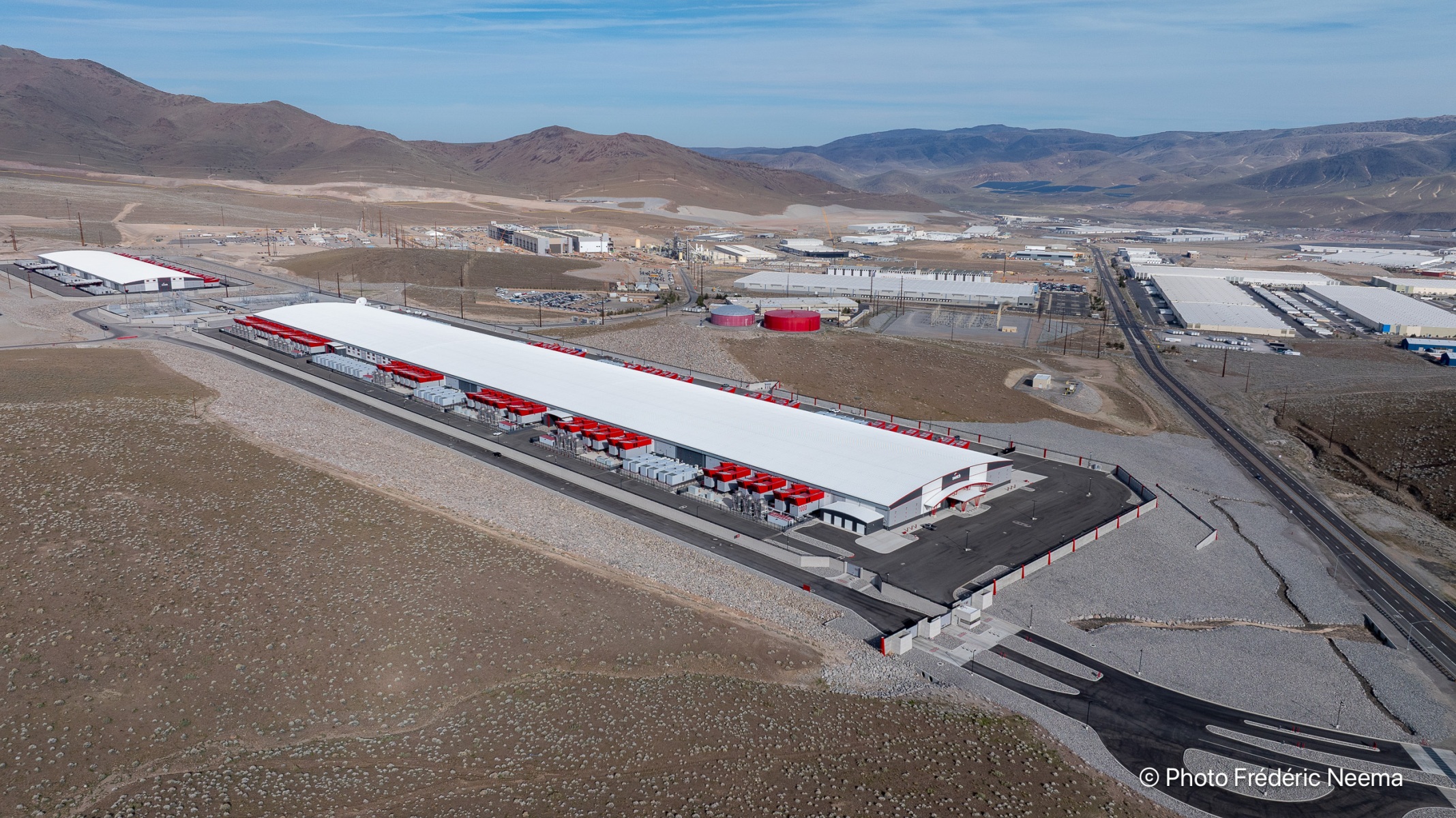
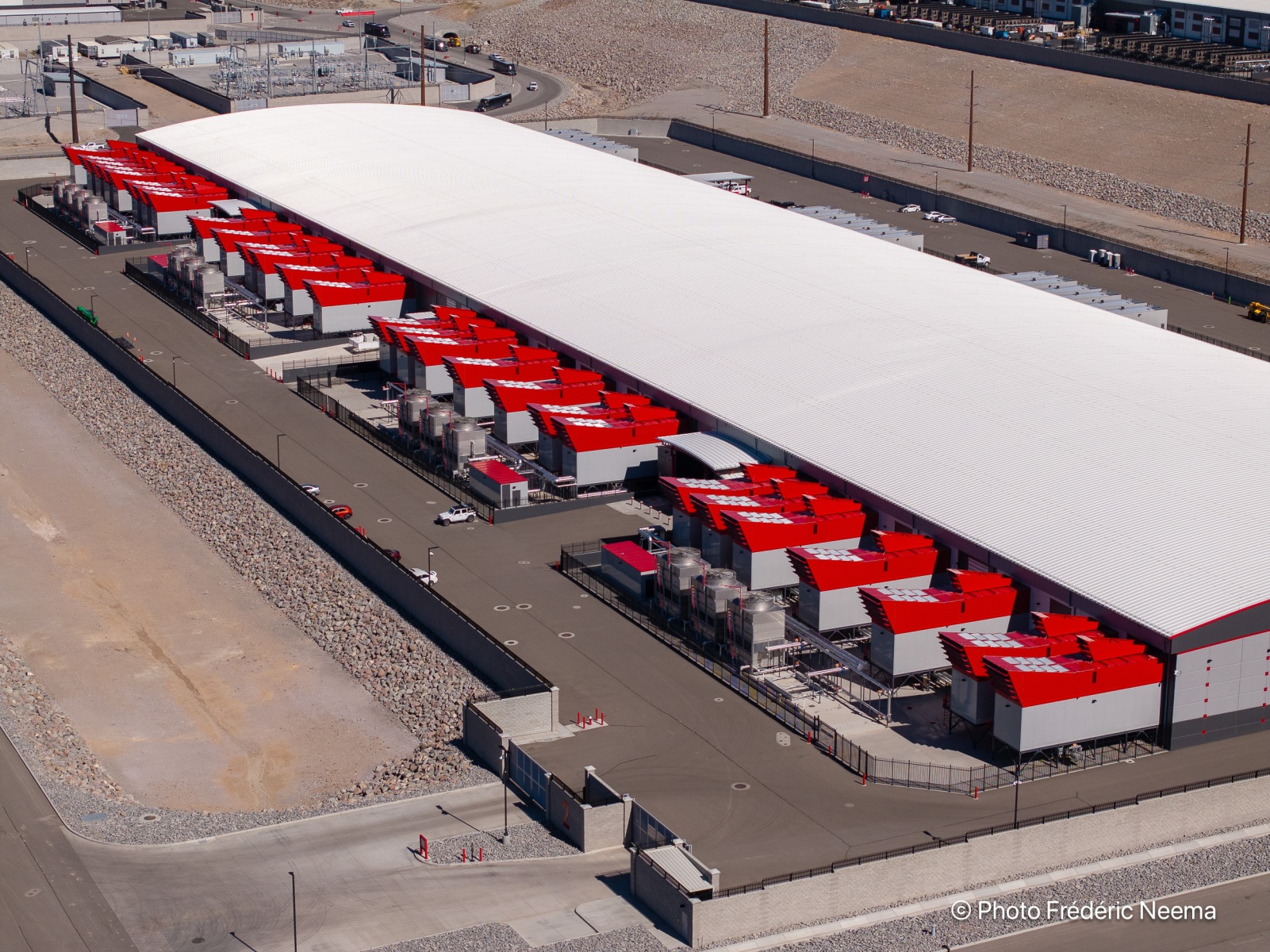
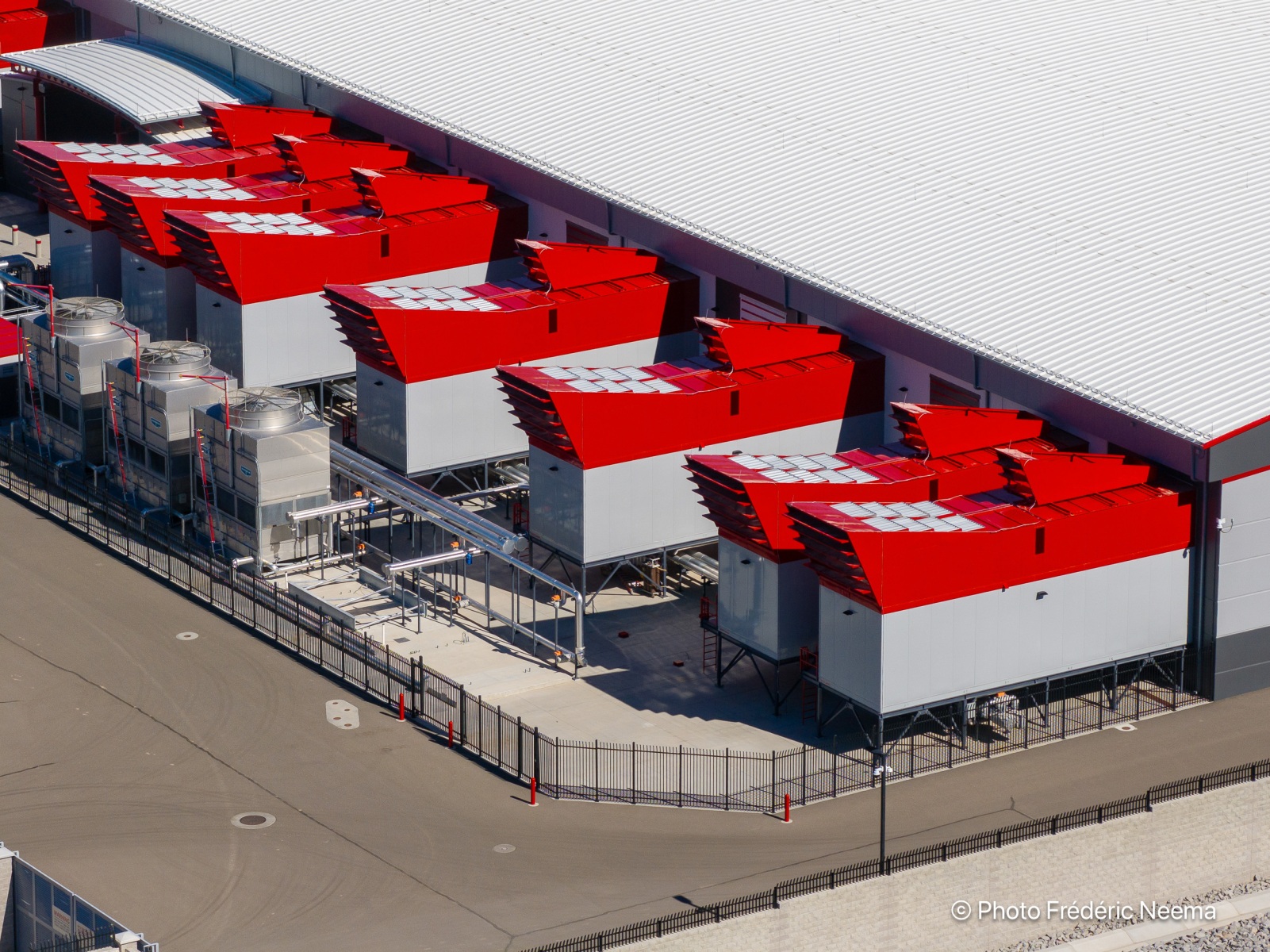
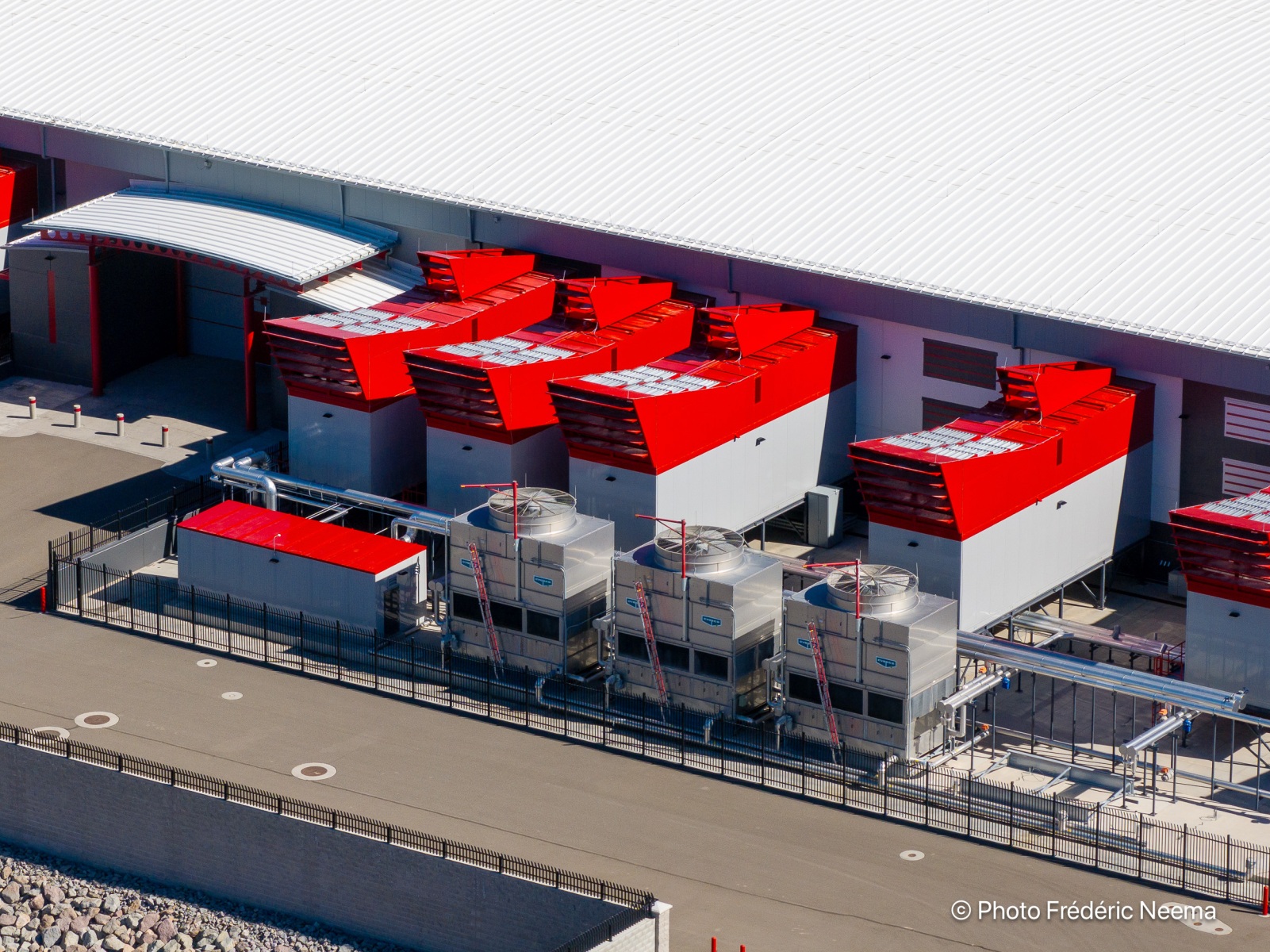
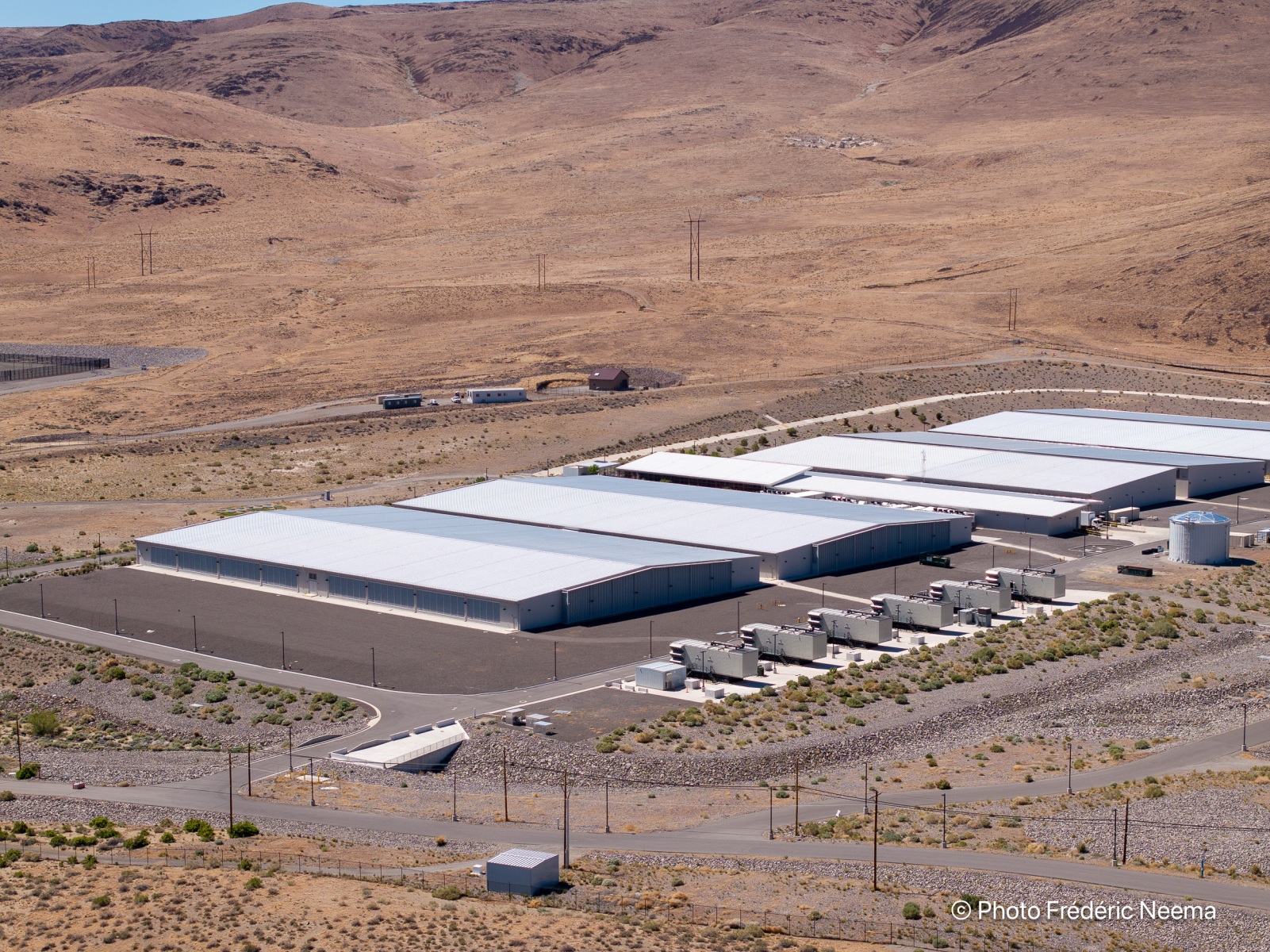
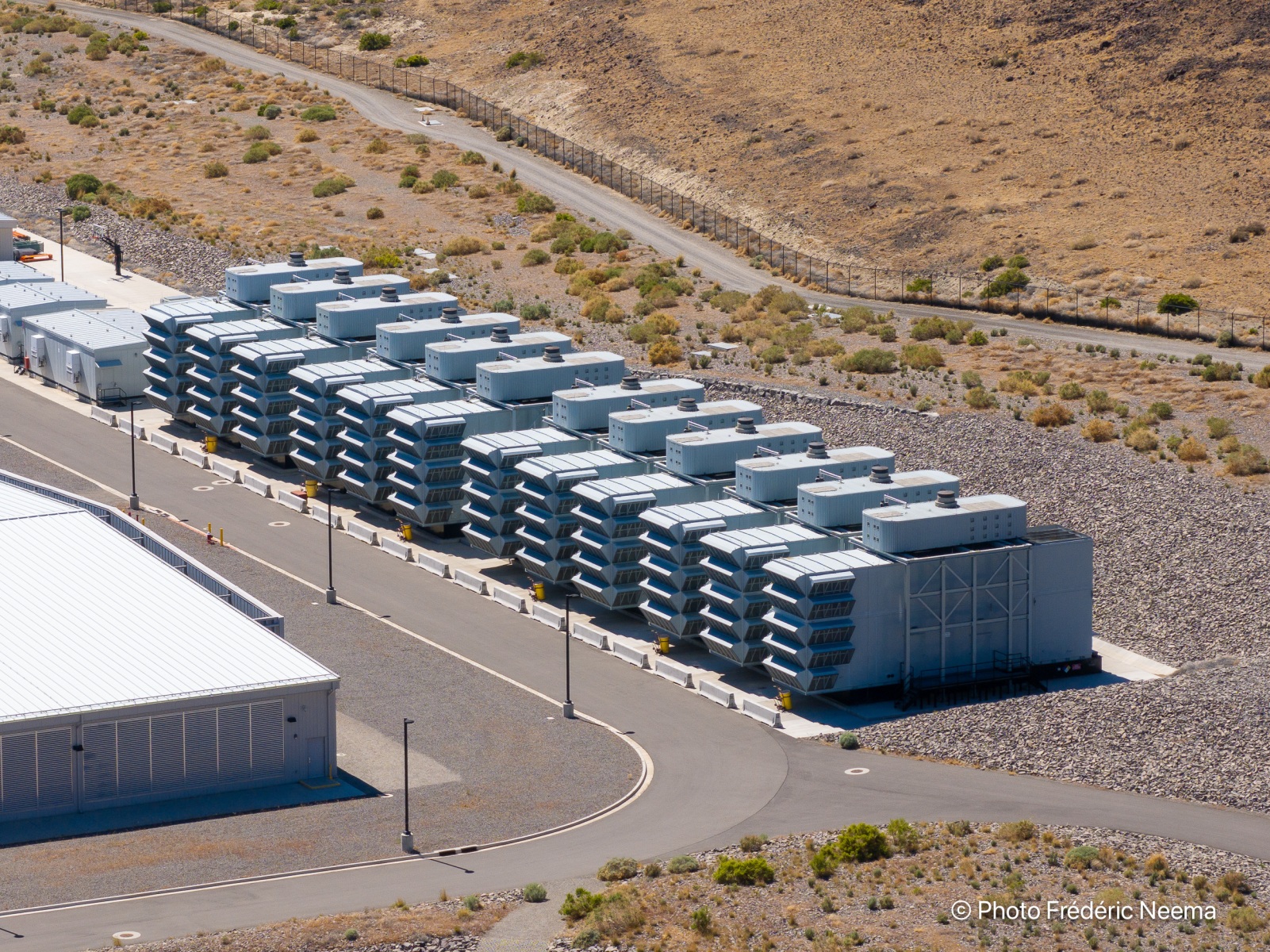
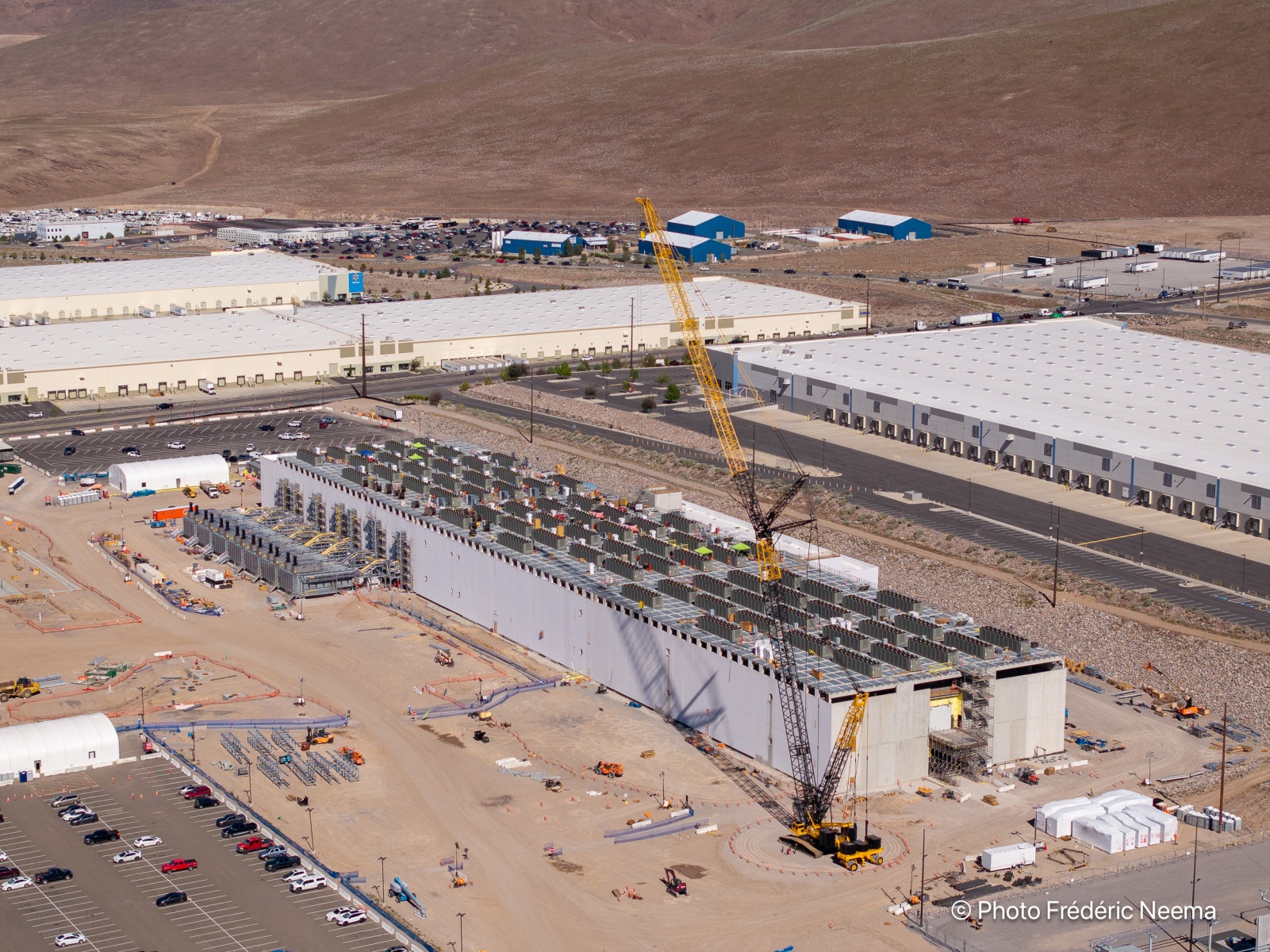
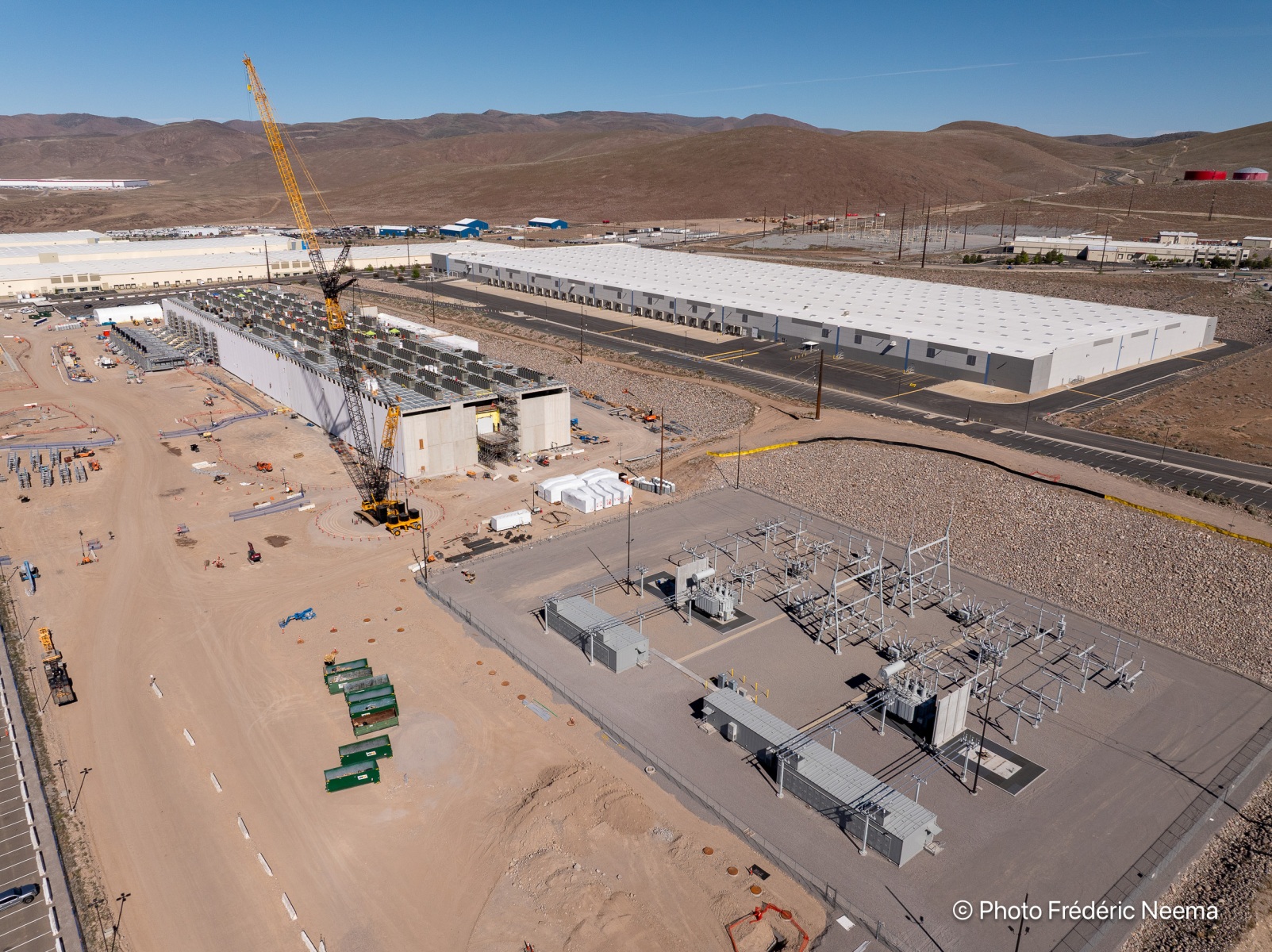
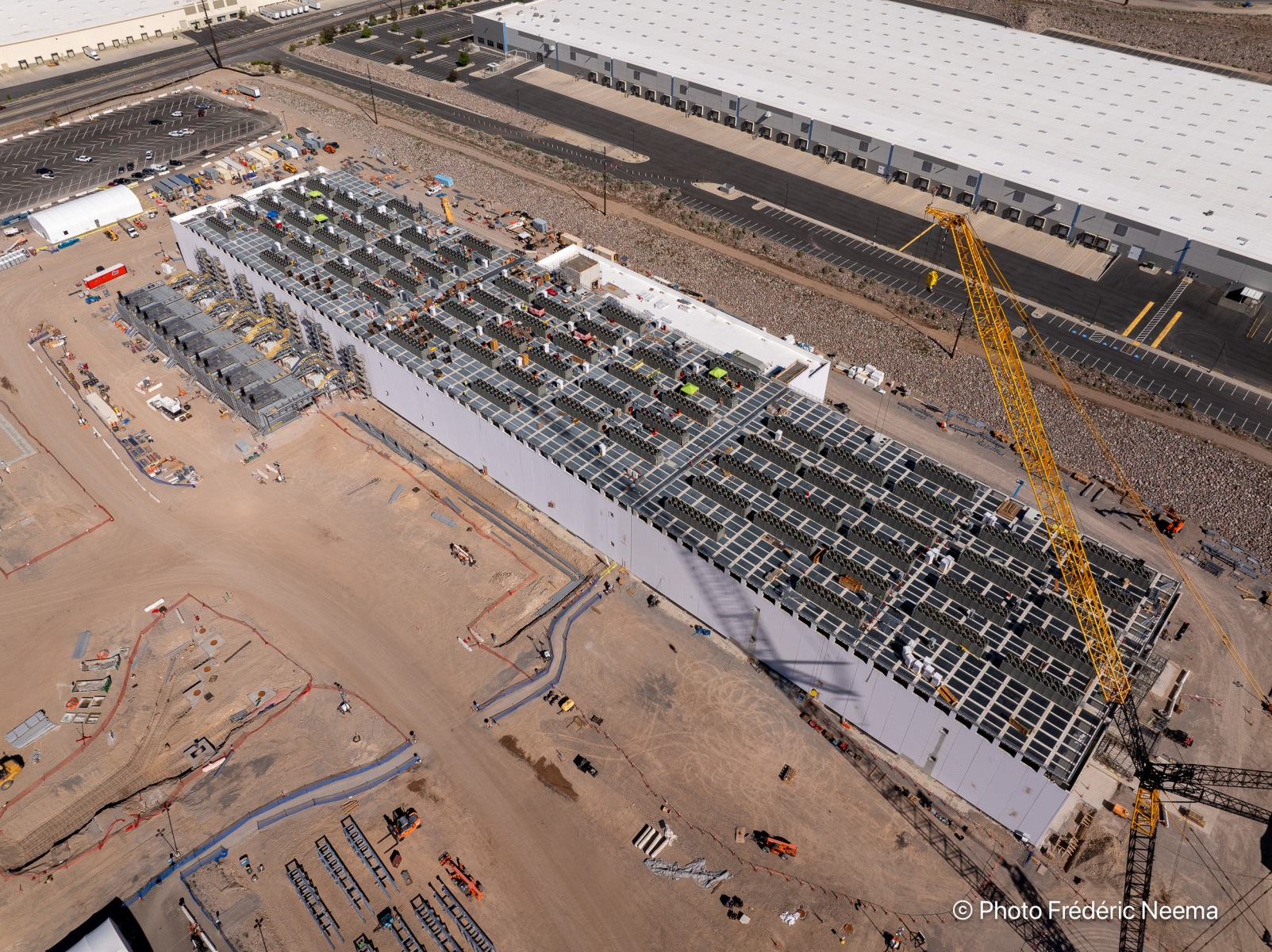
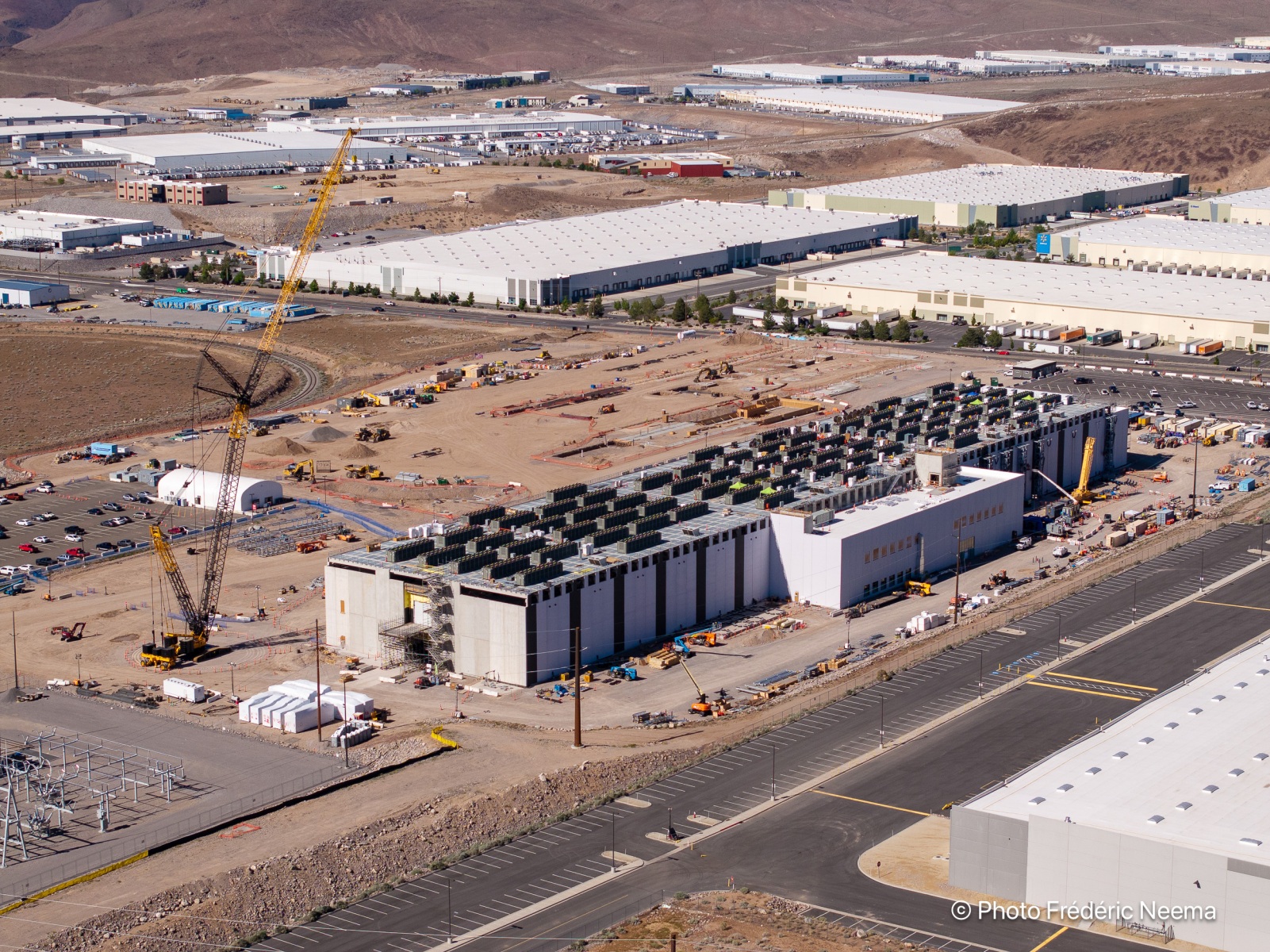
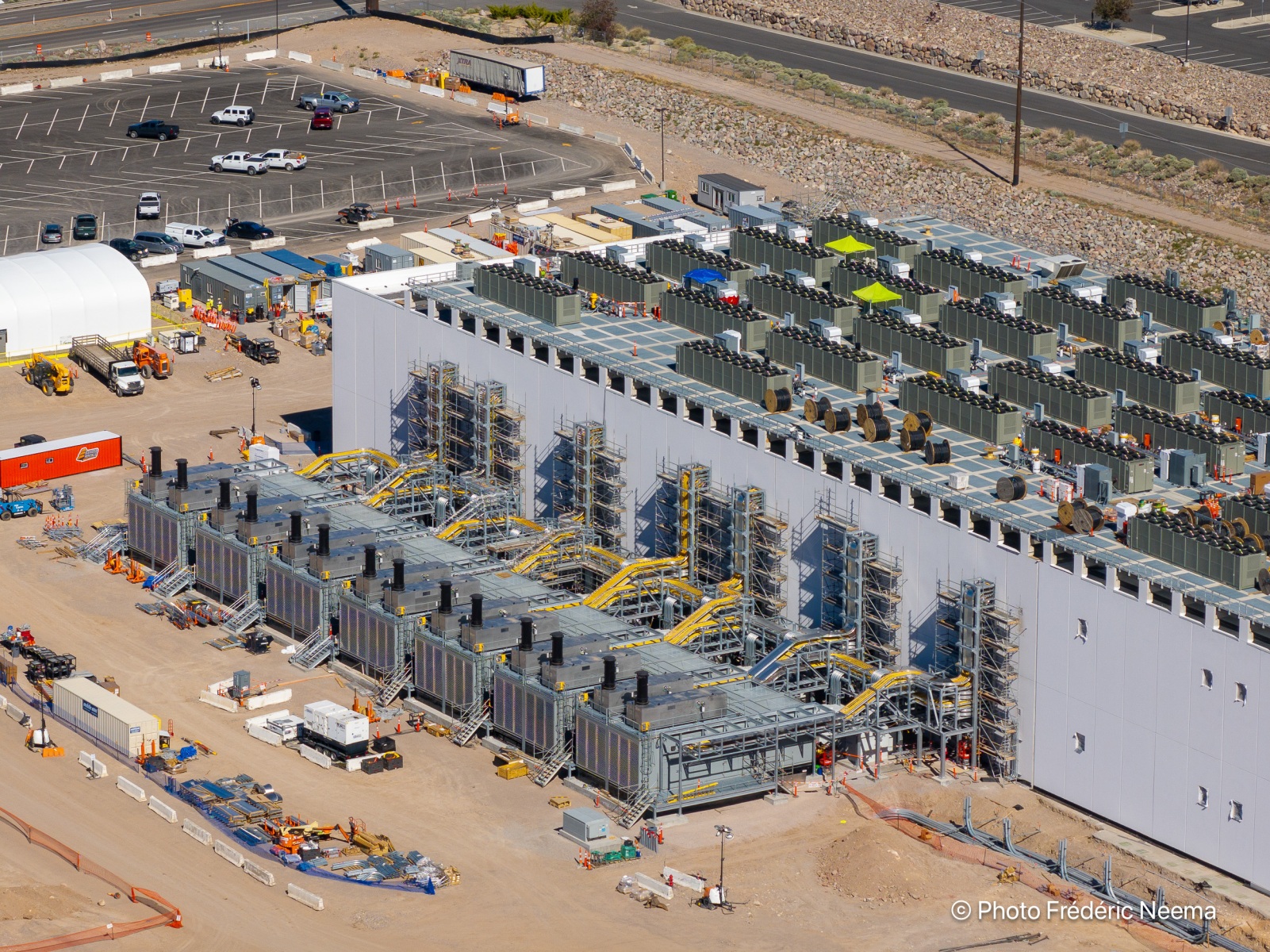
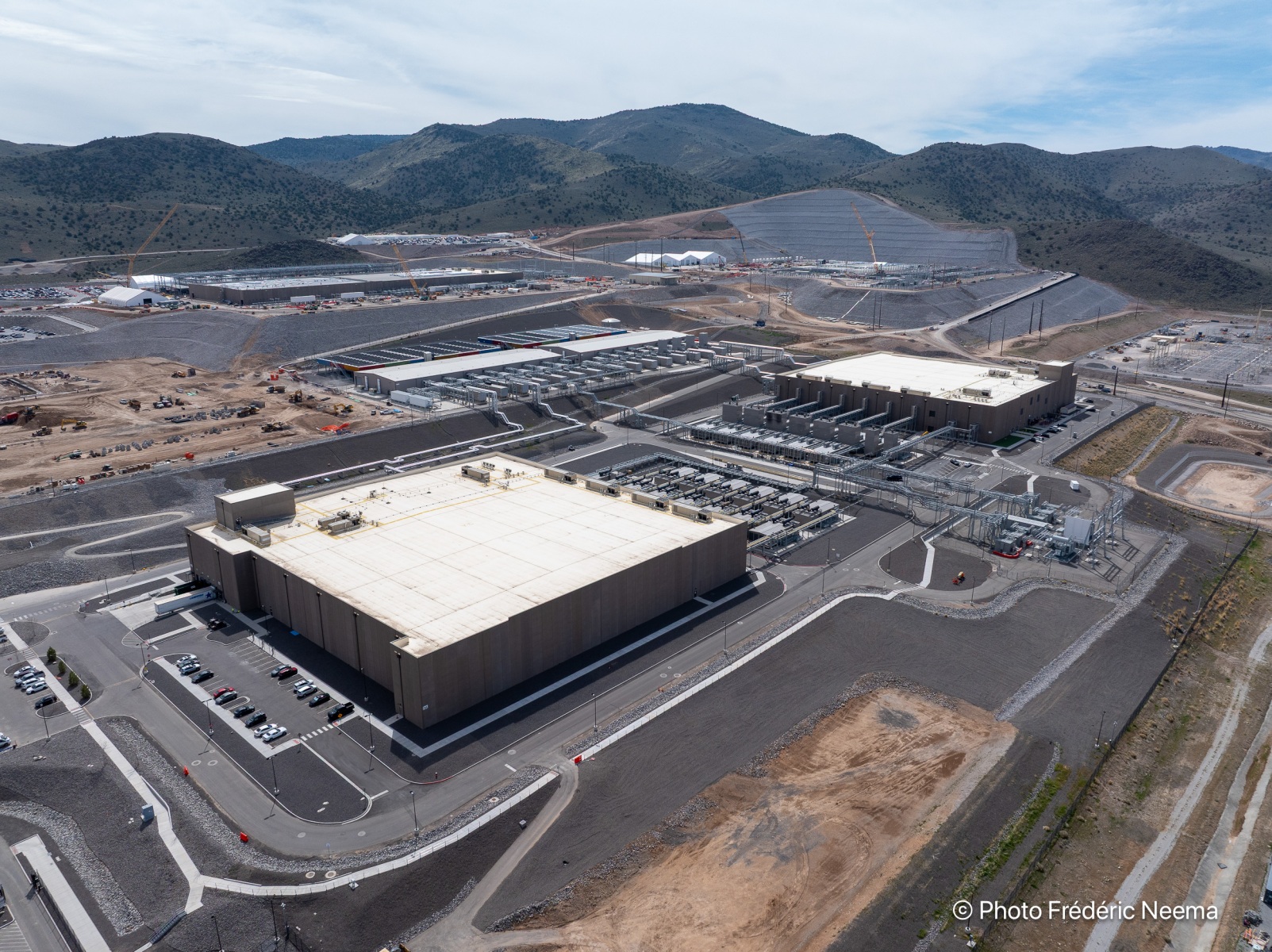
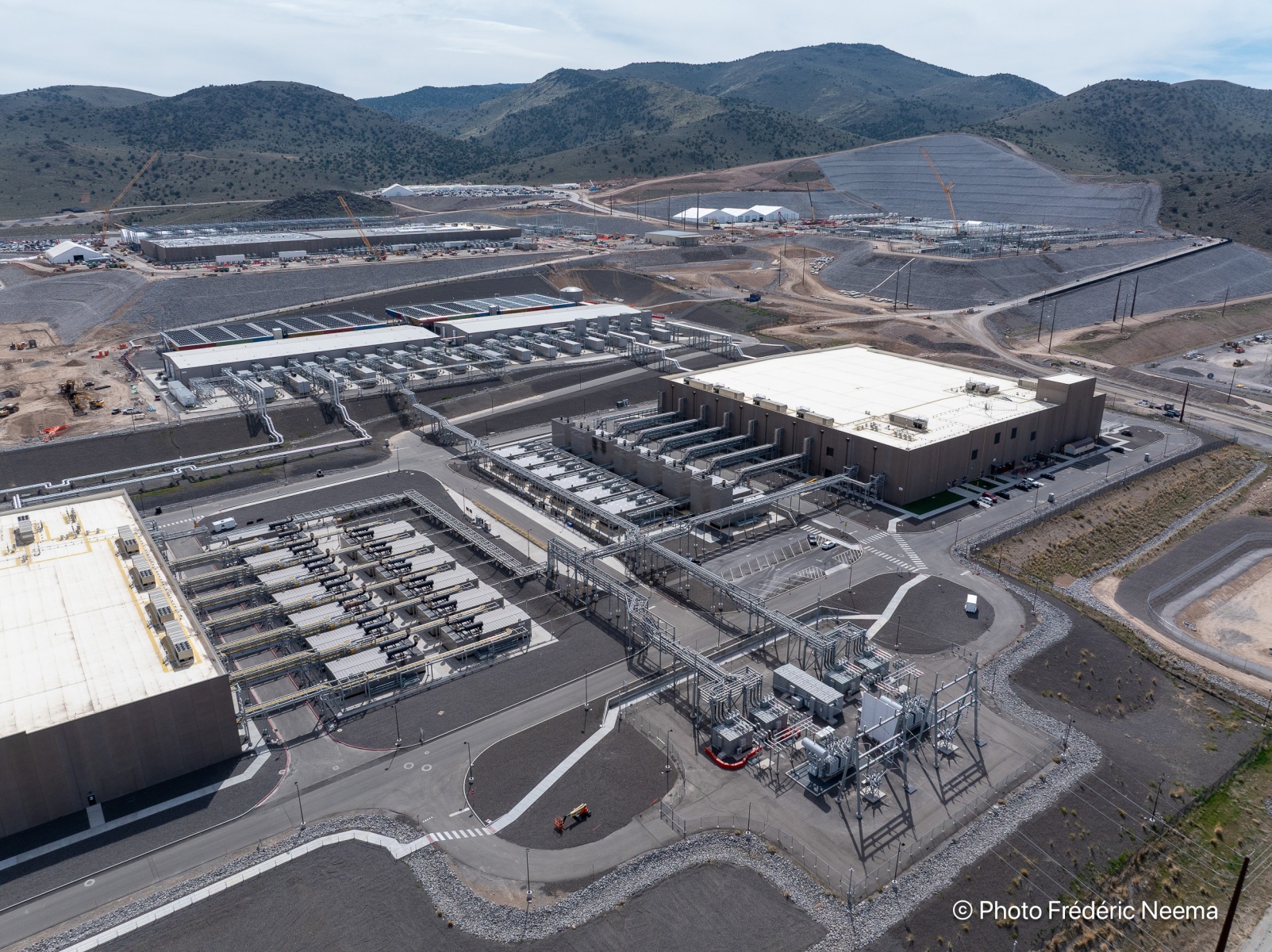
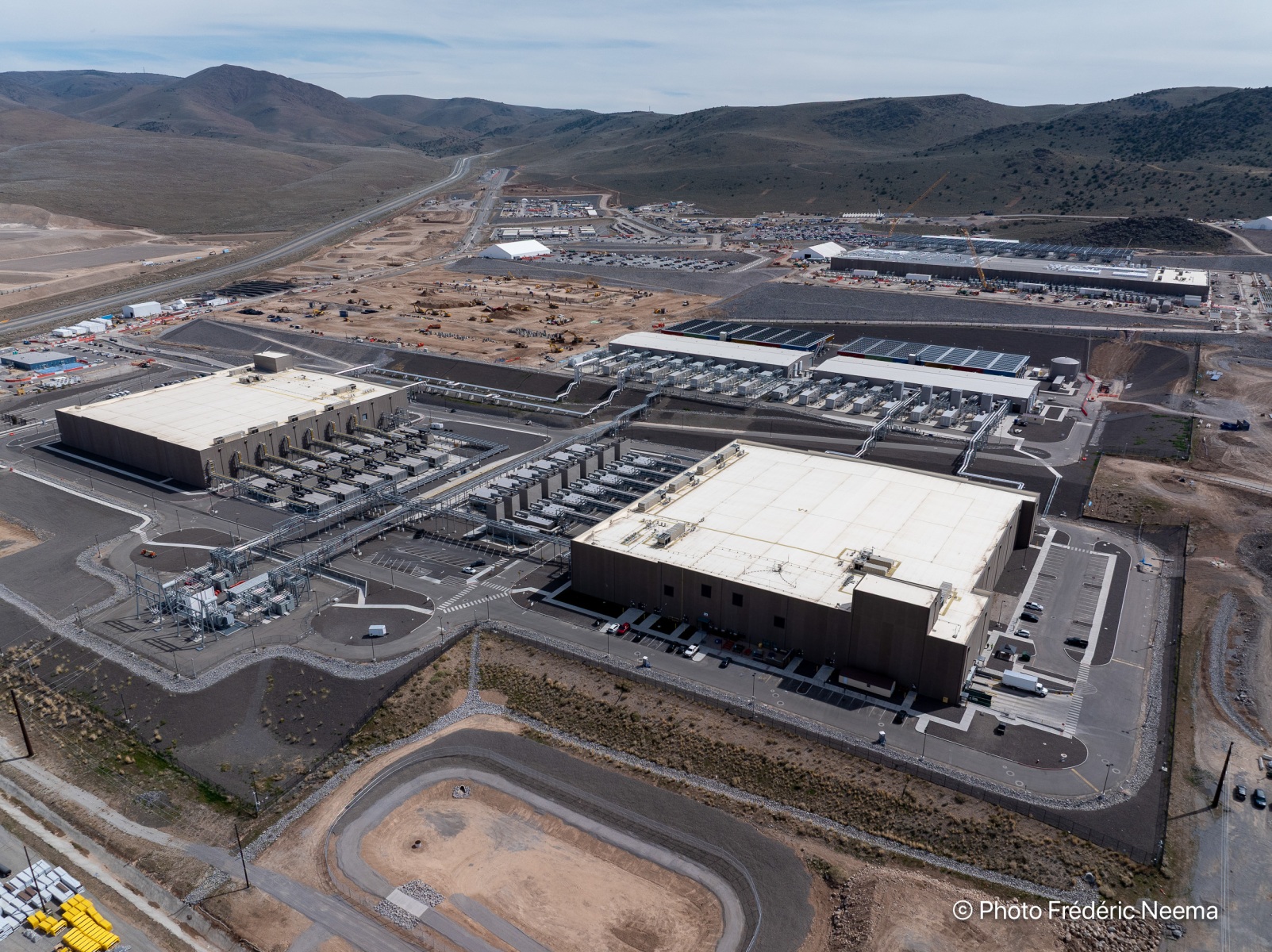
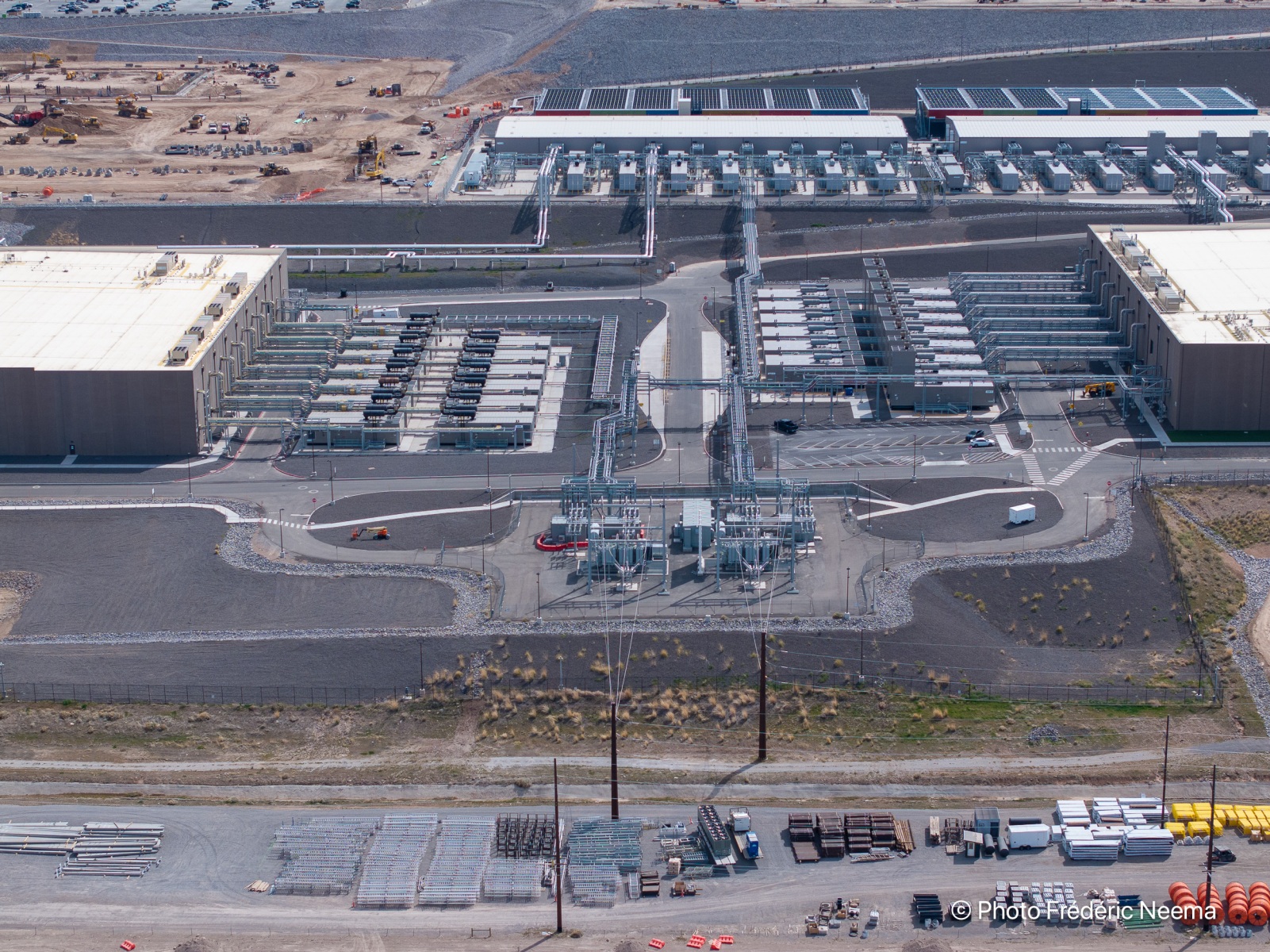
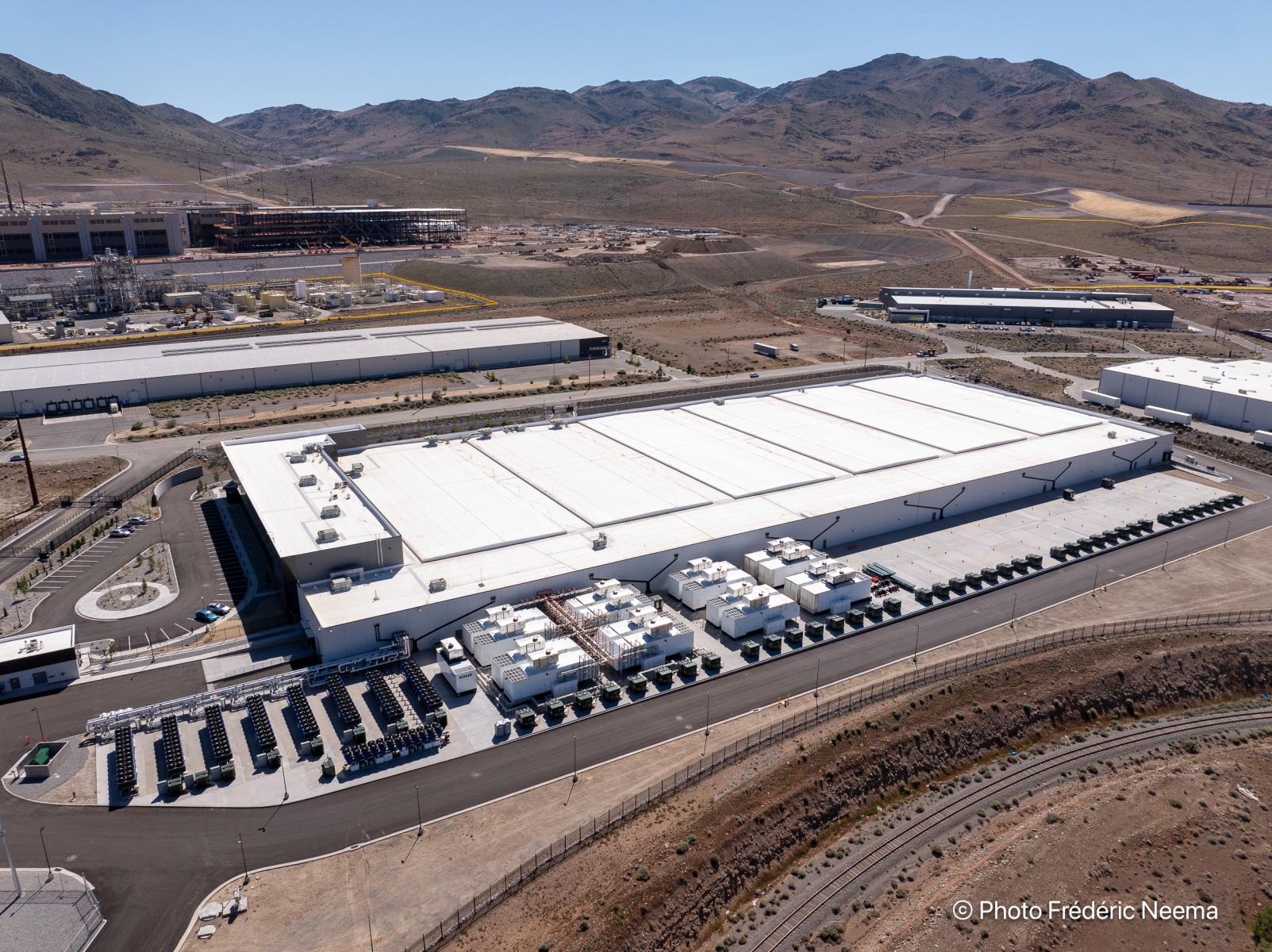
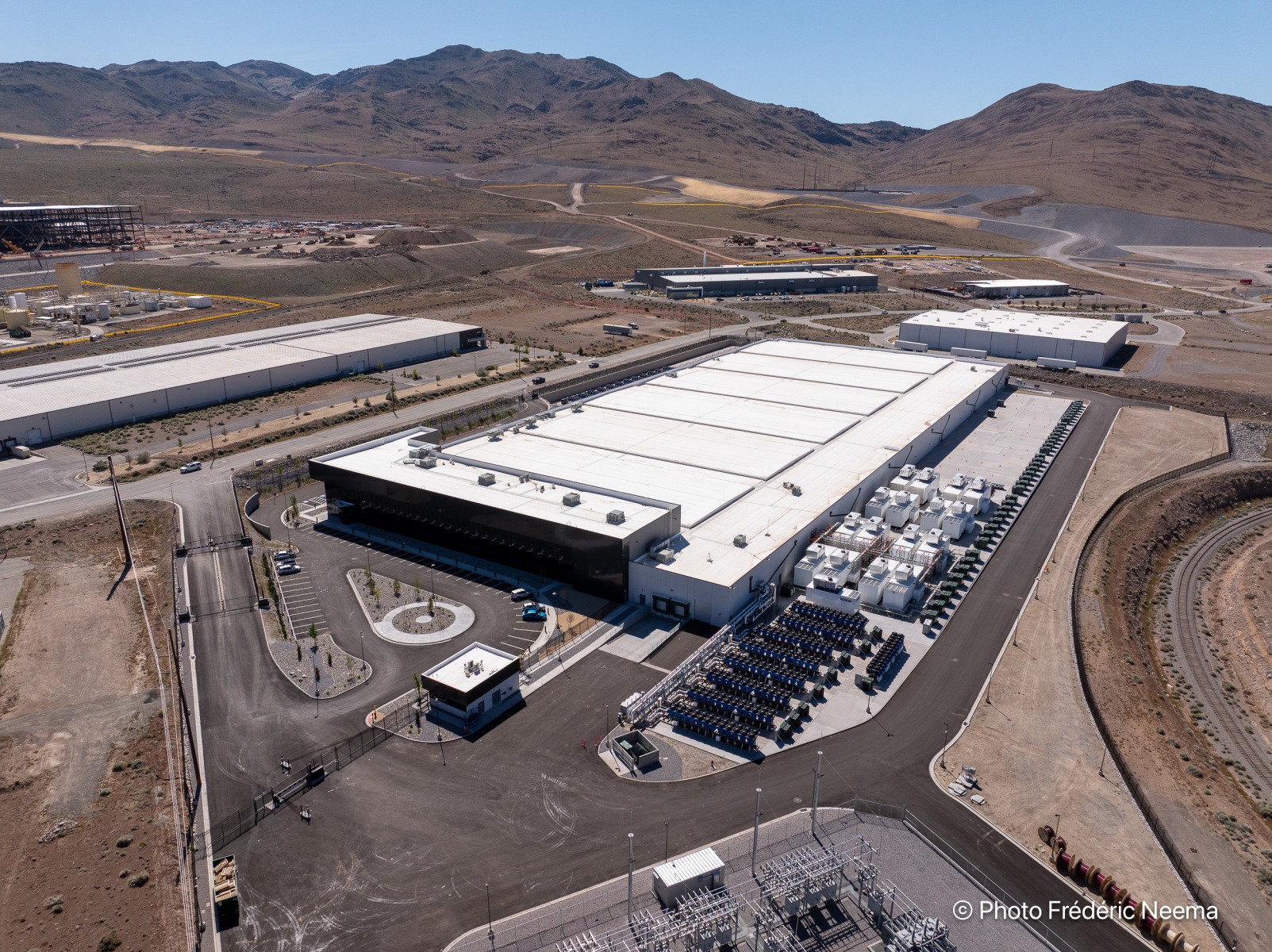
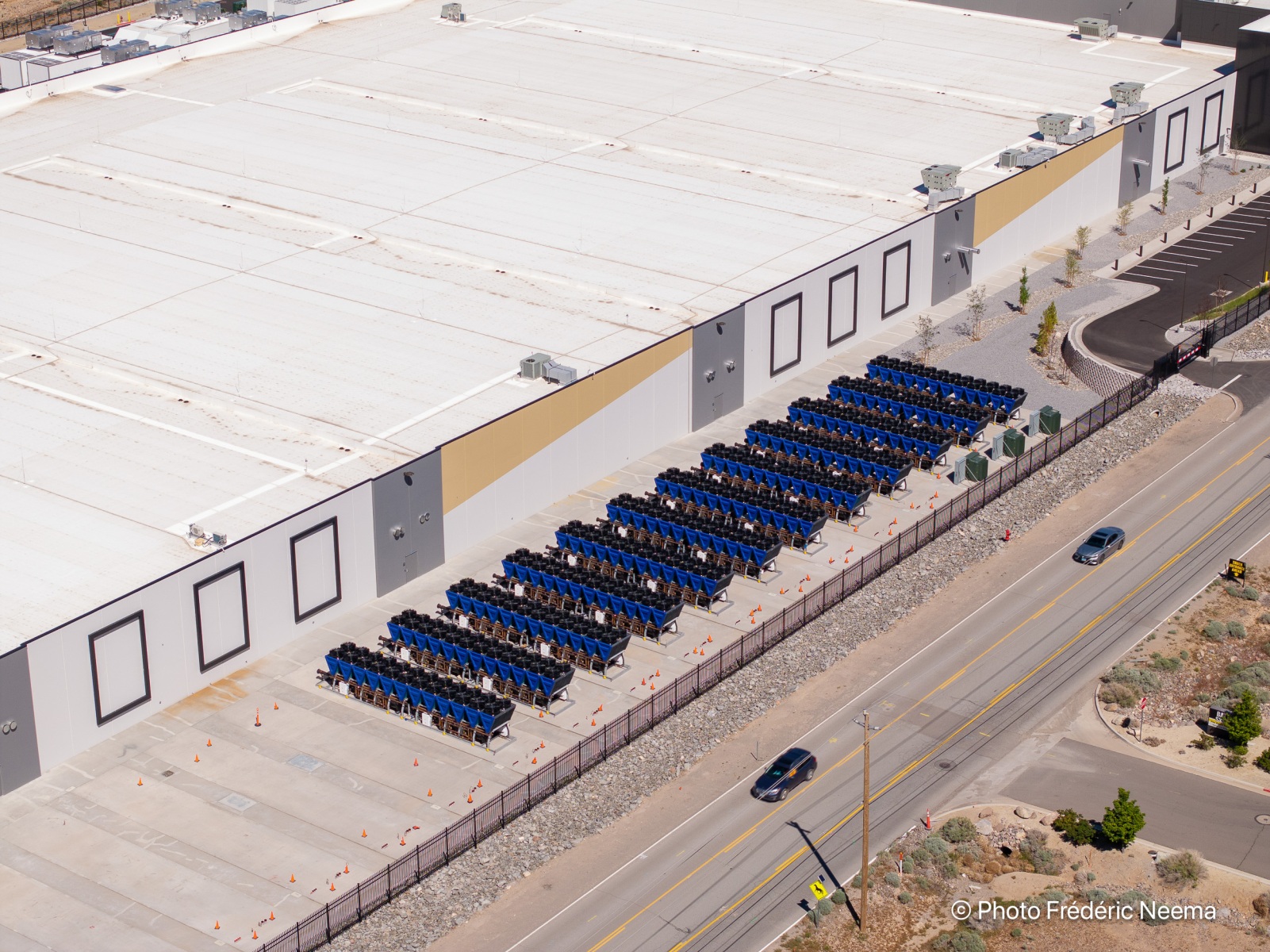
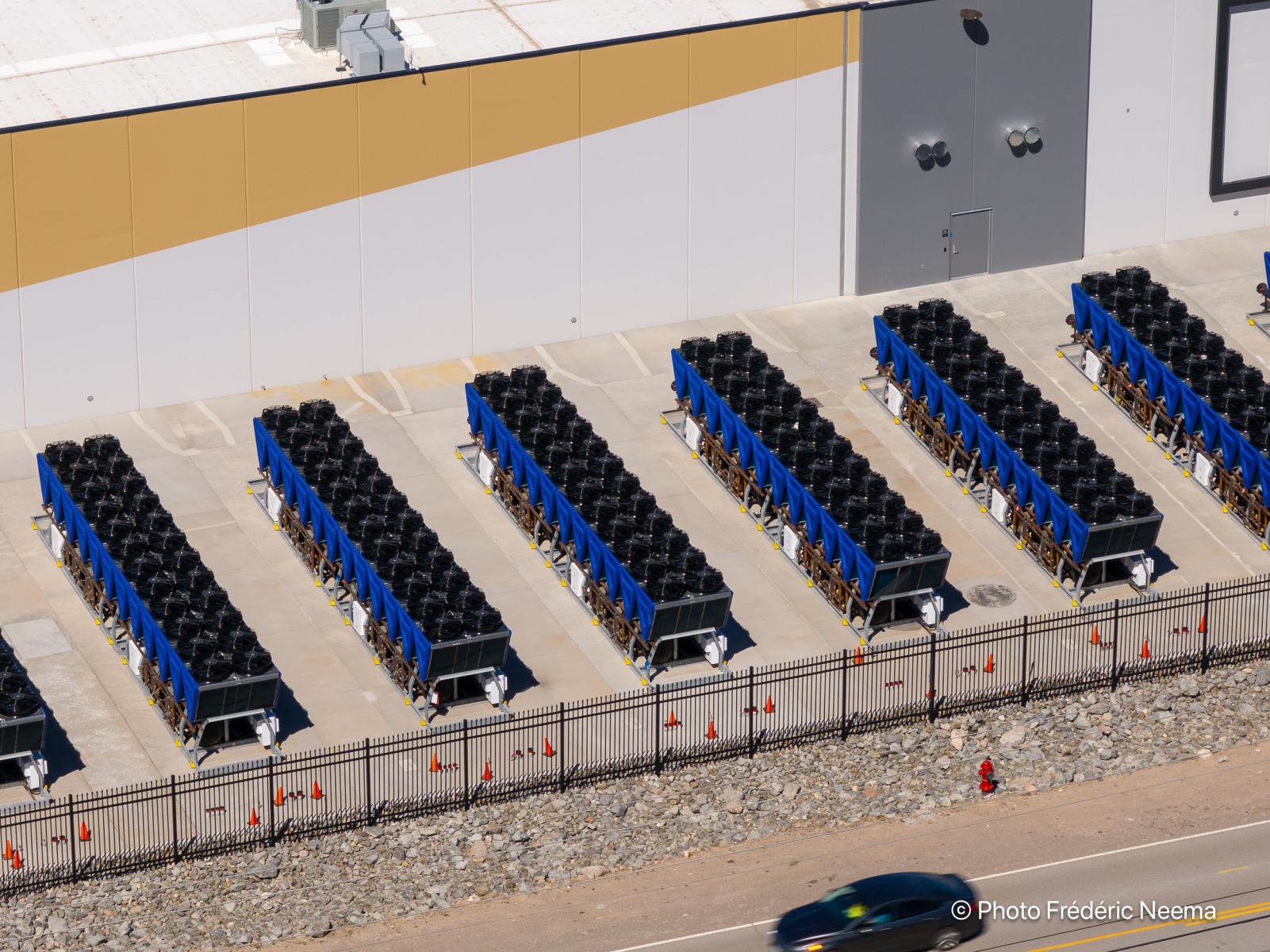
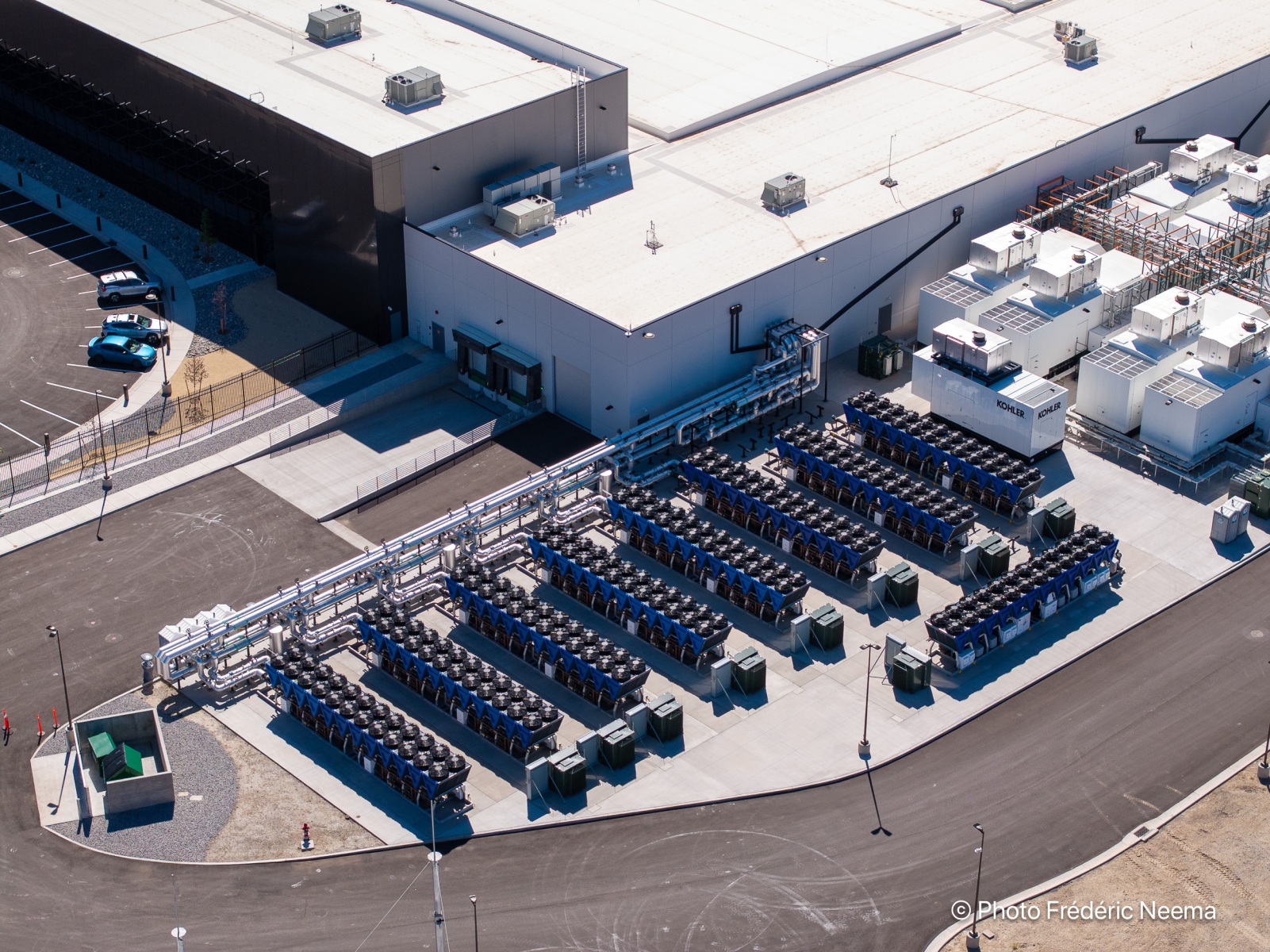
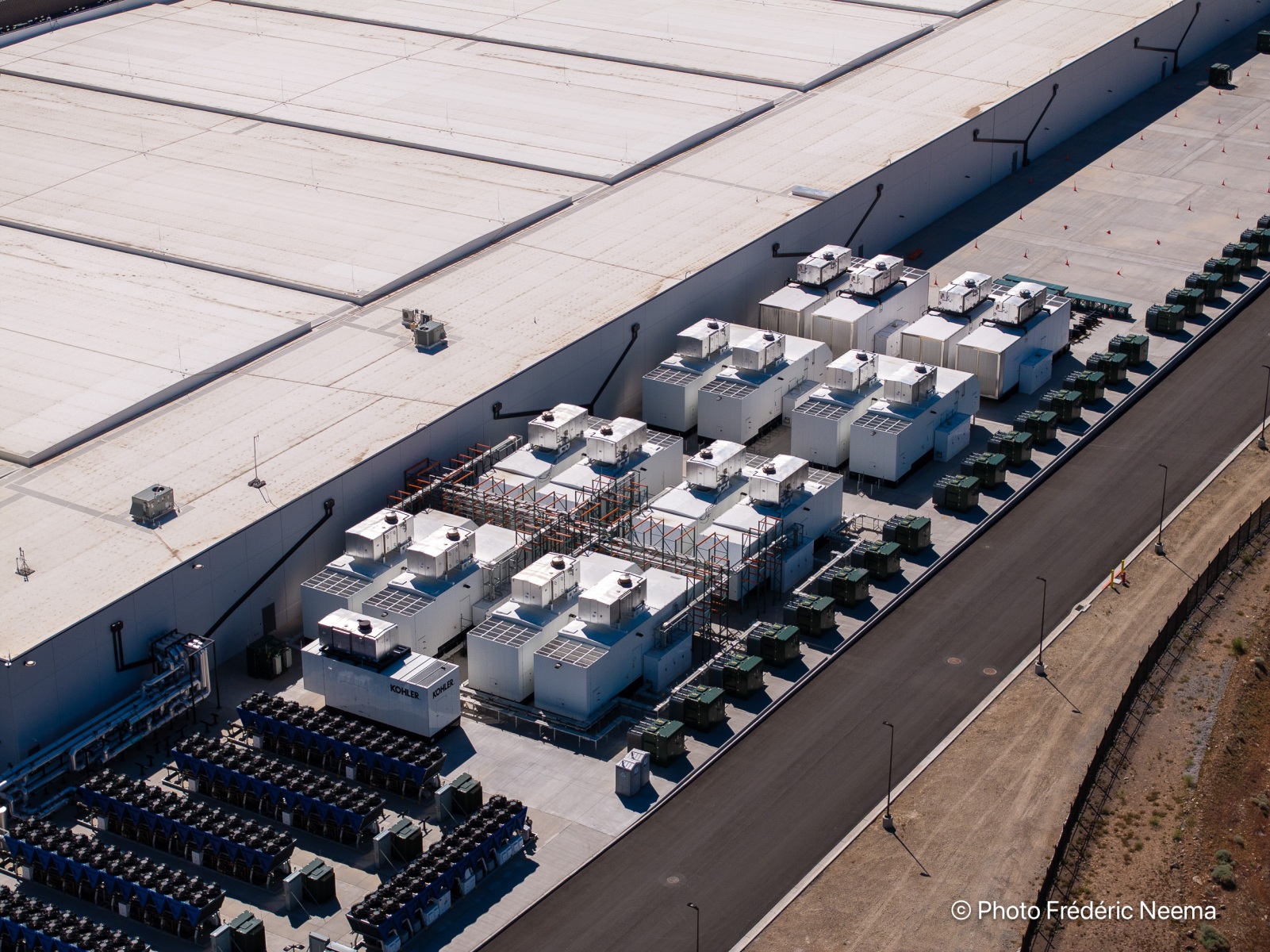
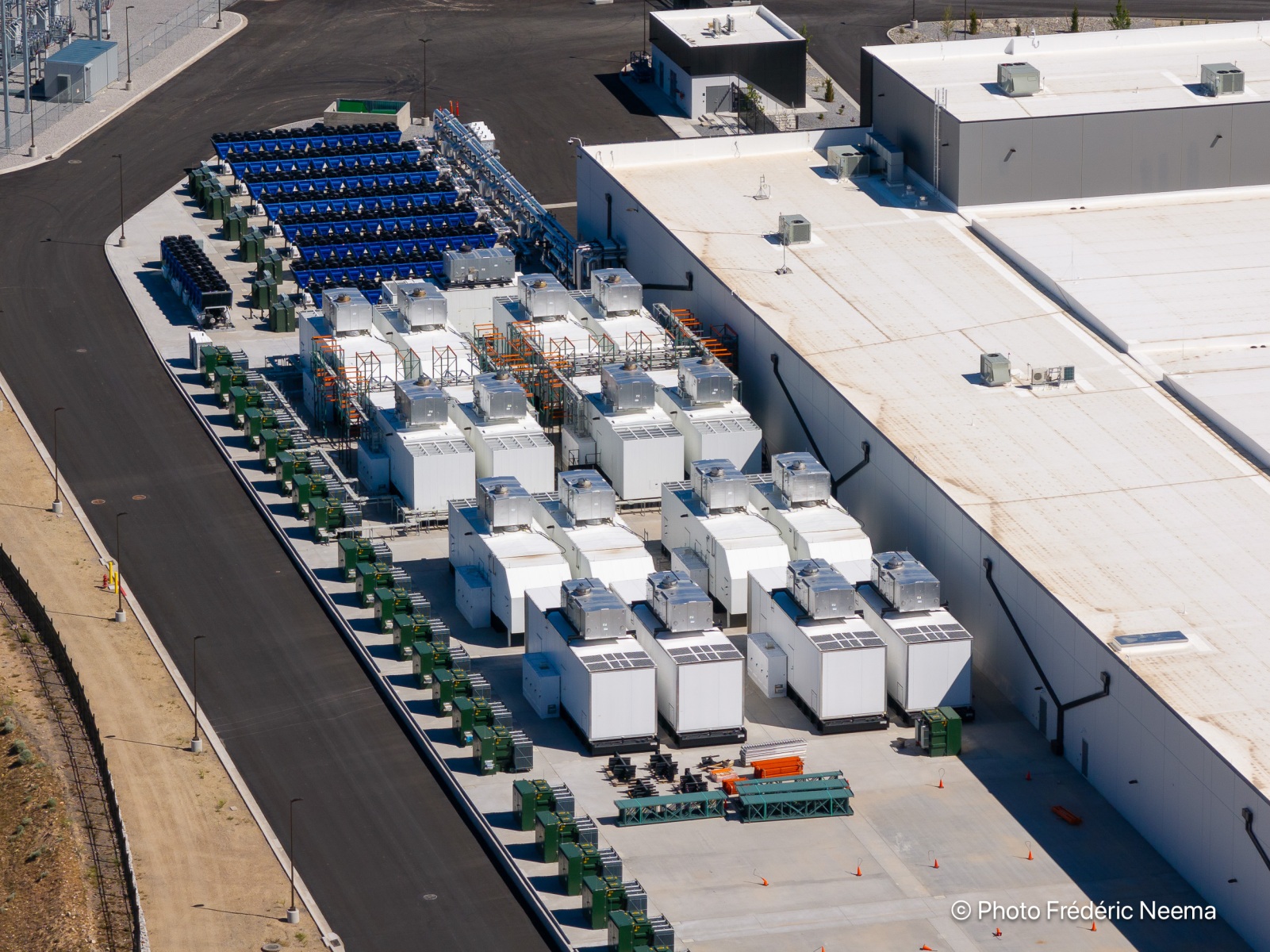
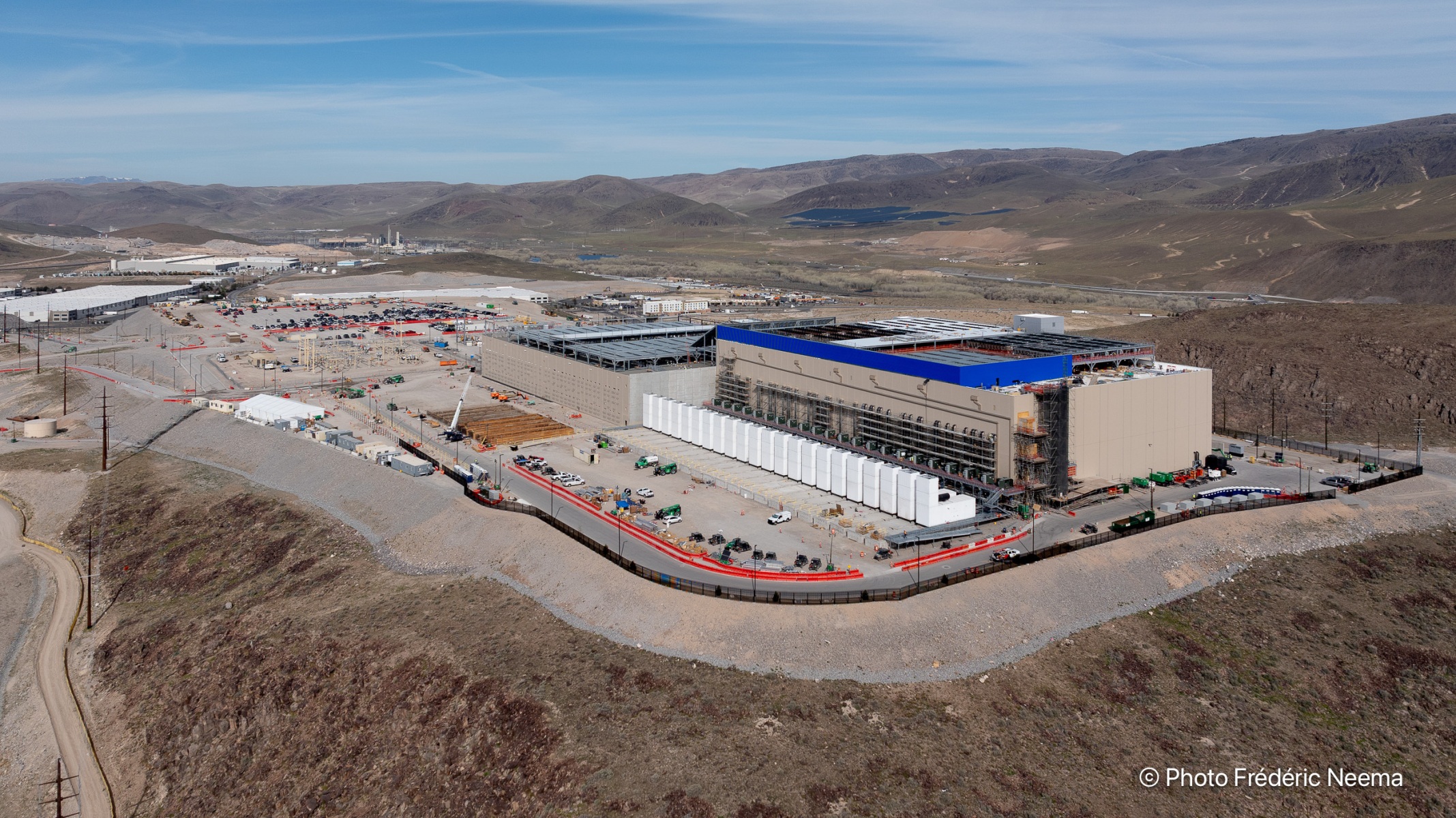
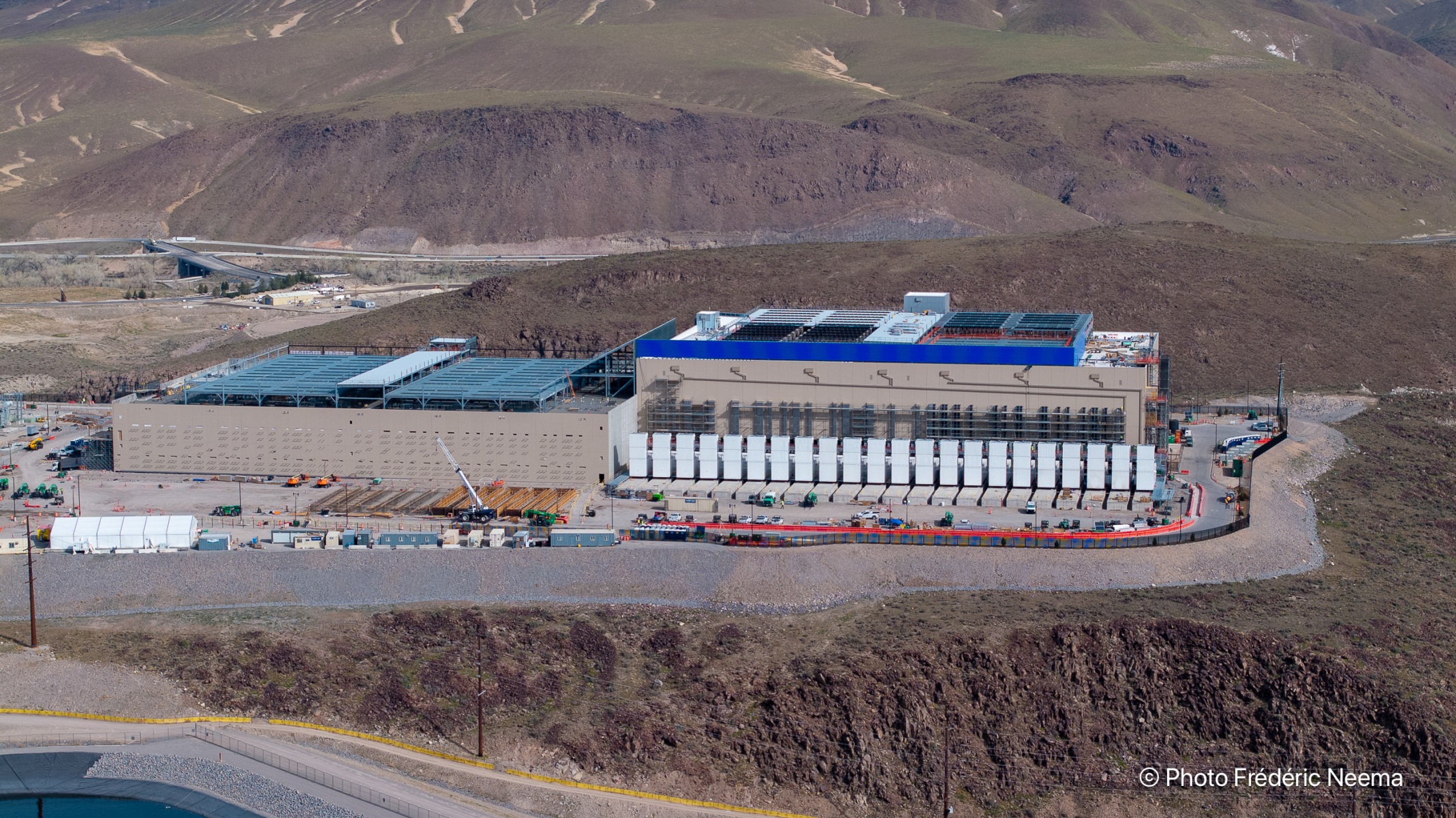
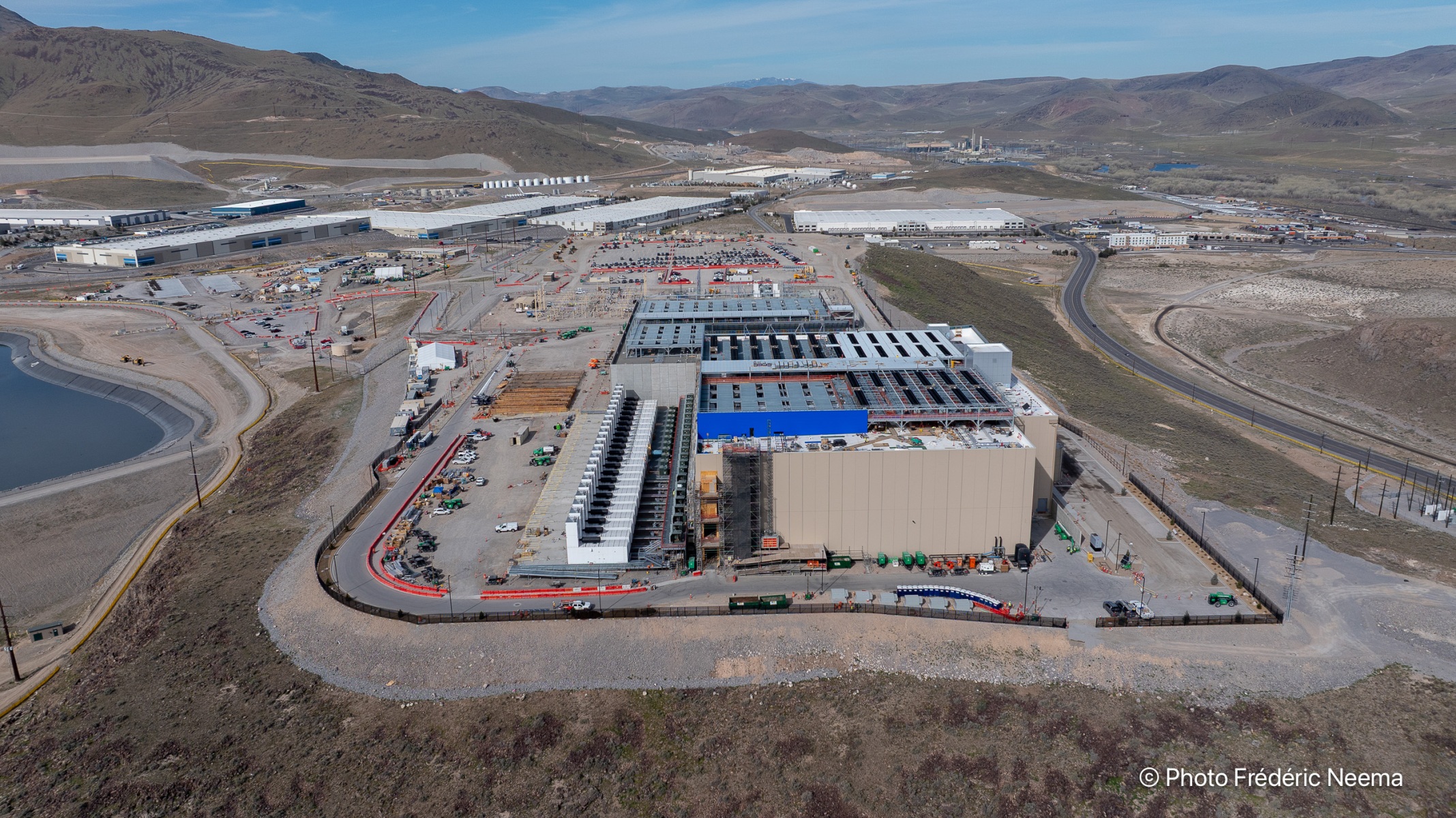
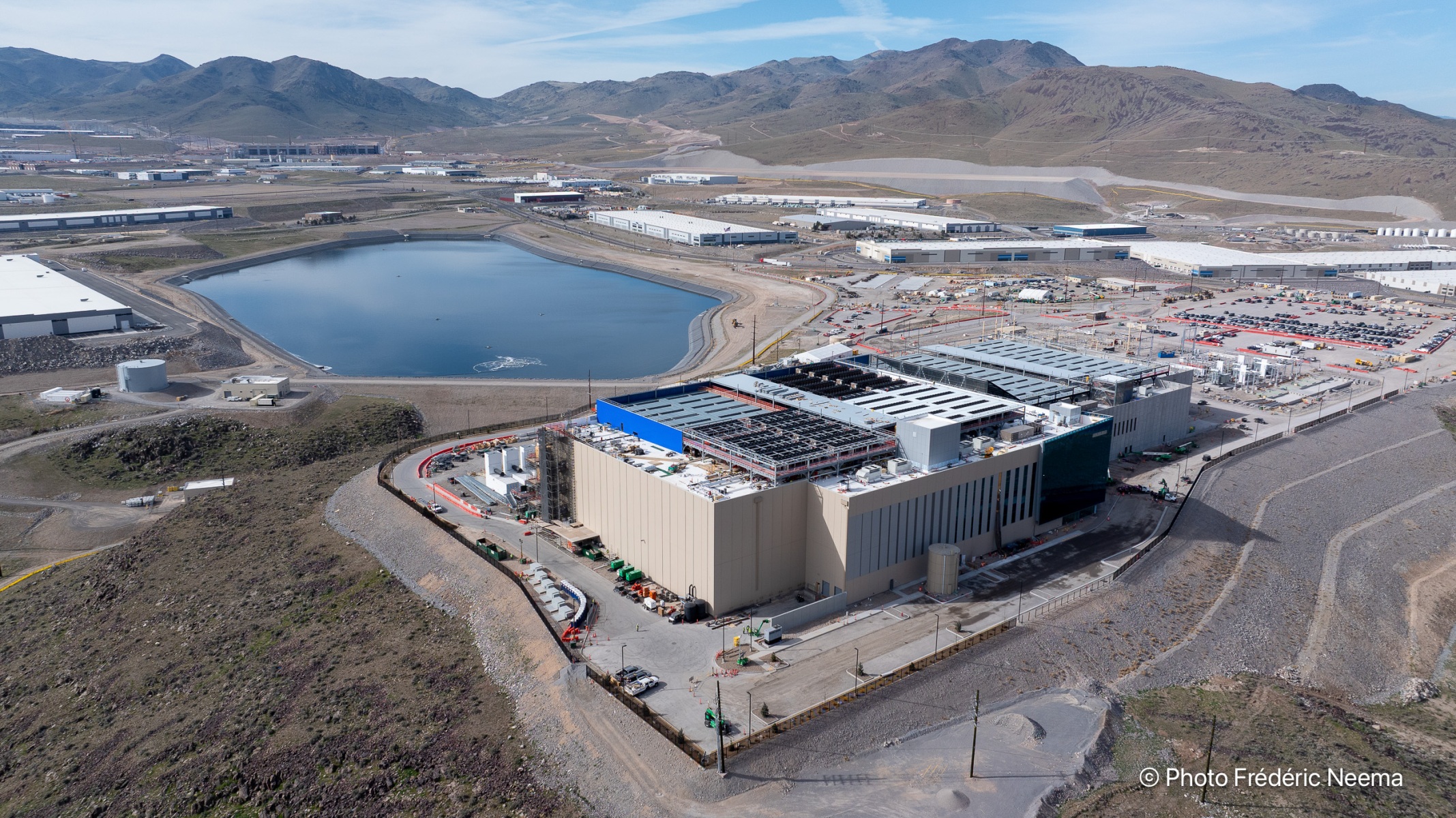
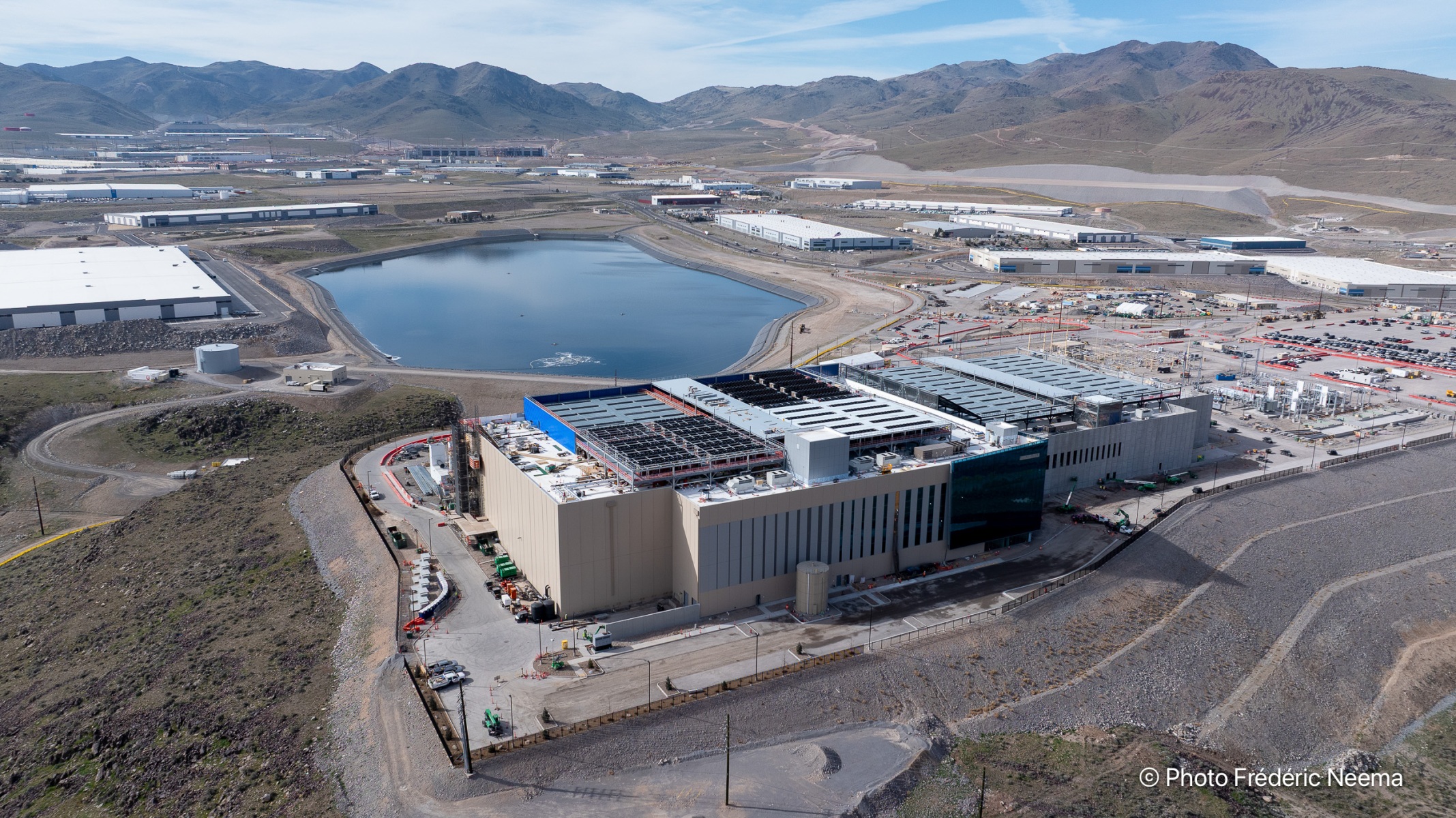
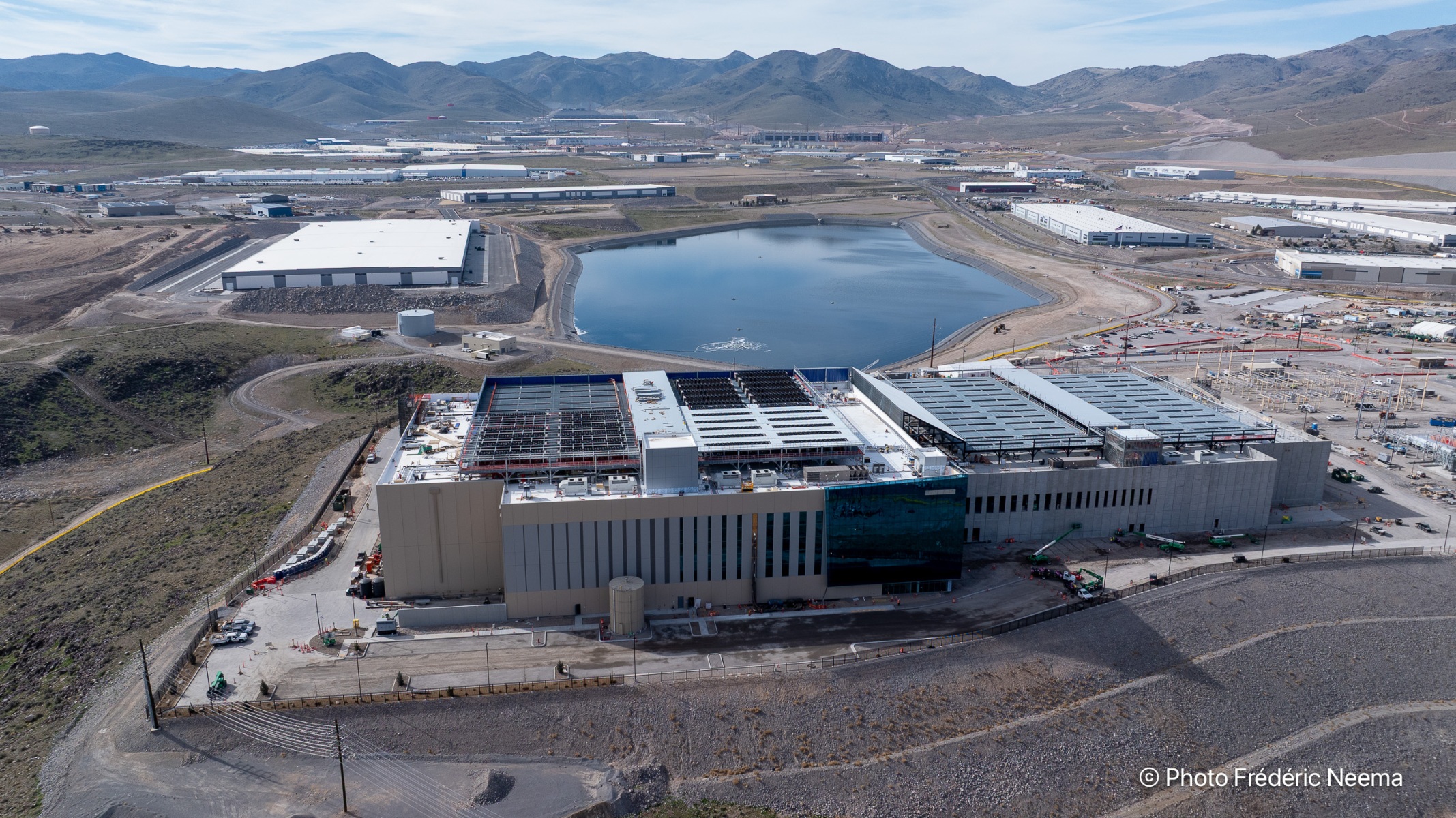
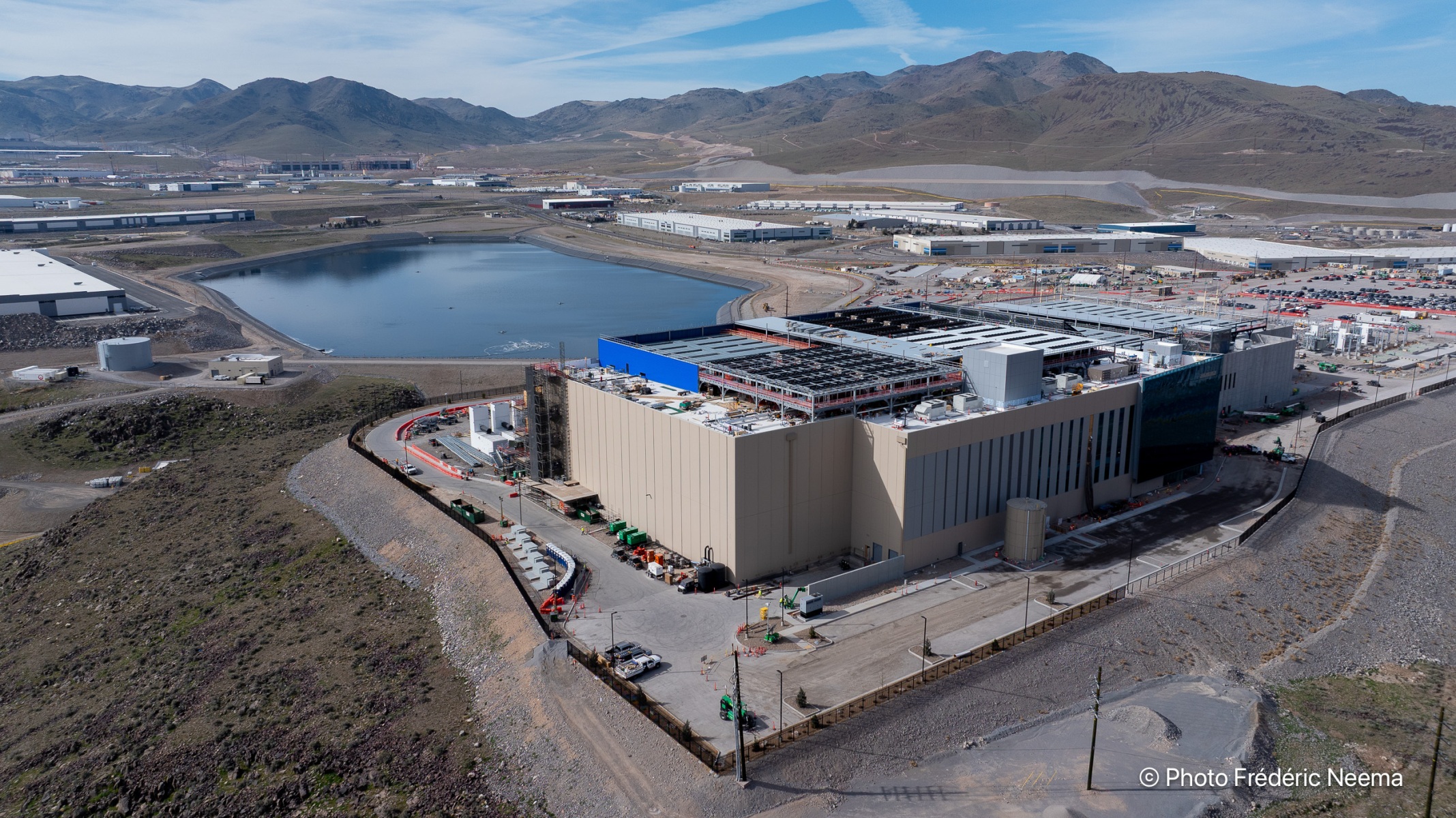
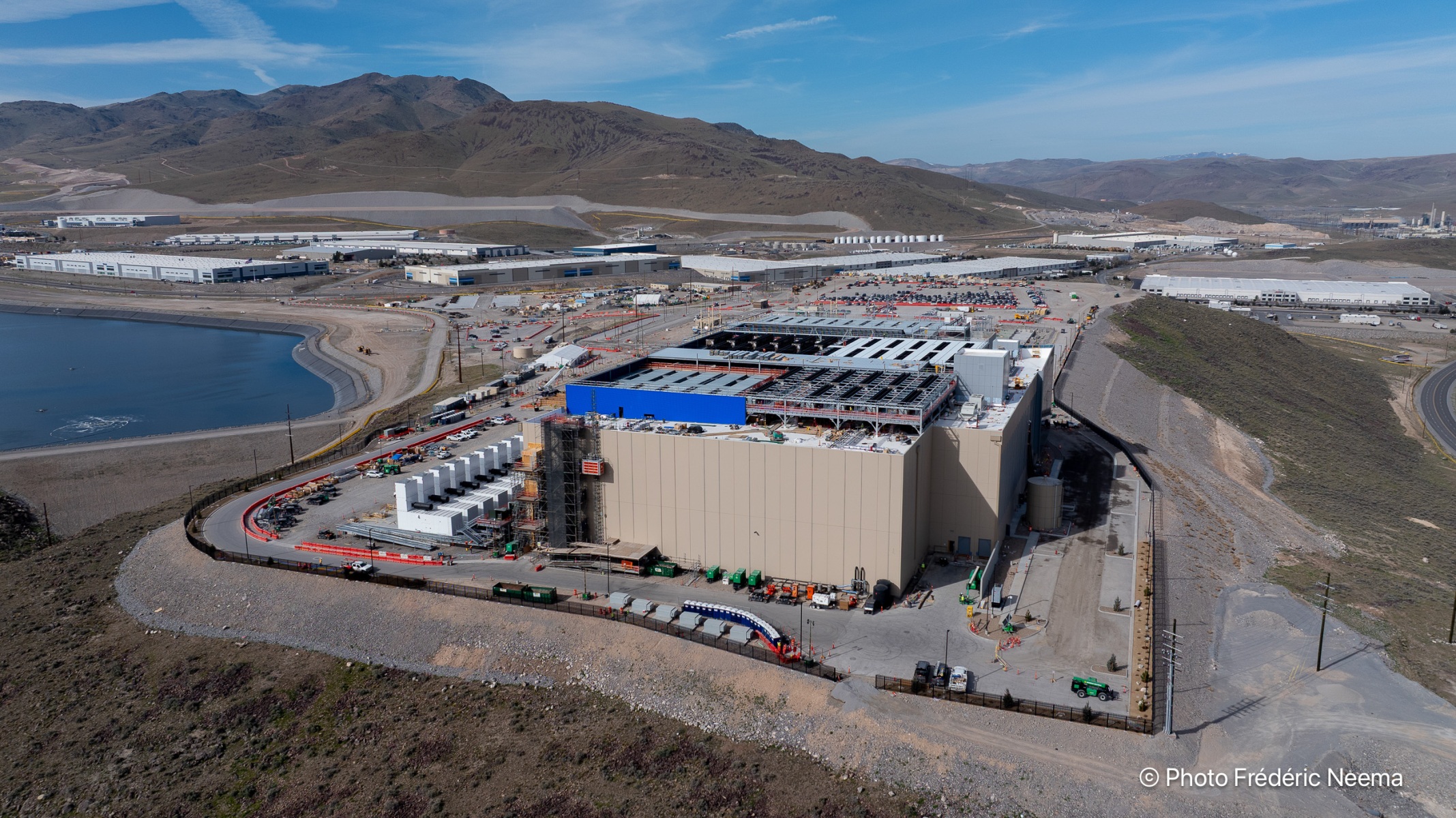
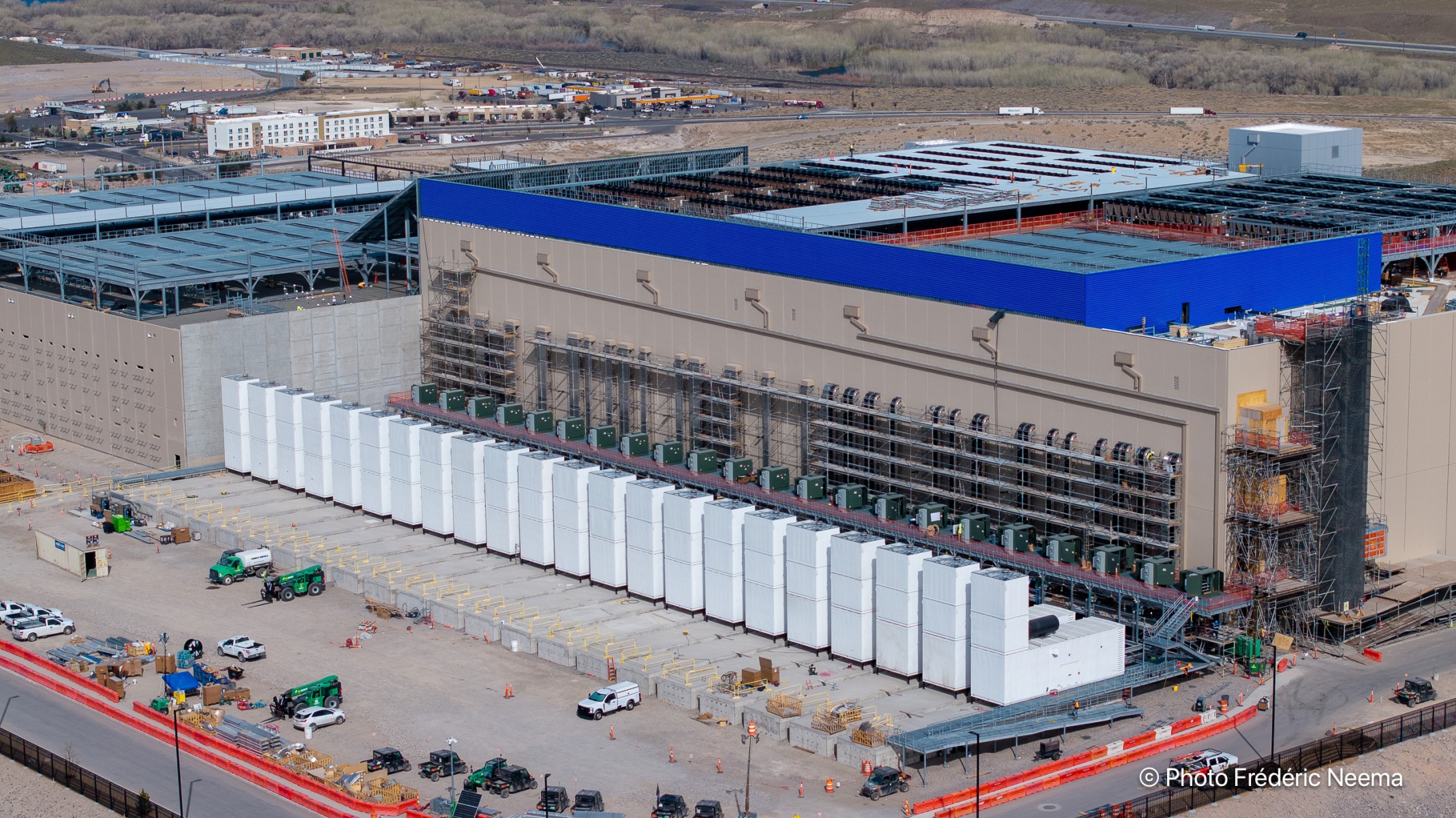
Nearby, the scale of this transformation becomes even more apparent at the new EdgeCore Digital Infrastructure campus under construction. Designed to support up to 216 megawatts of critical IT load, the project ranks among the largest hyperscale developments in Northern Nevada. Massive cooling systems dominate the rooftops of the buildings, illustrating one of the central engineering challenges of the AI era: removing enormous amounts of heat generated by thousands of servers operating continuously. These facilities are designed not only for cloud storage but increasingly for artificial intelligence workloads requiring unprecedented computing power, electrical capacity, and fiber connectivity.
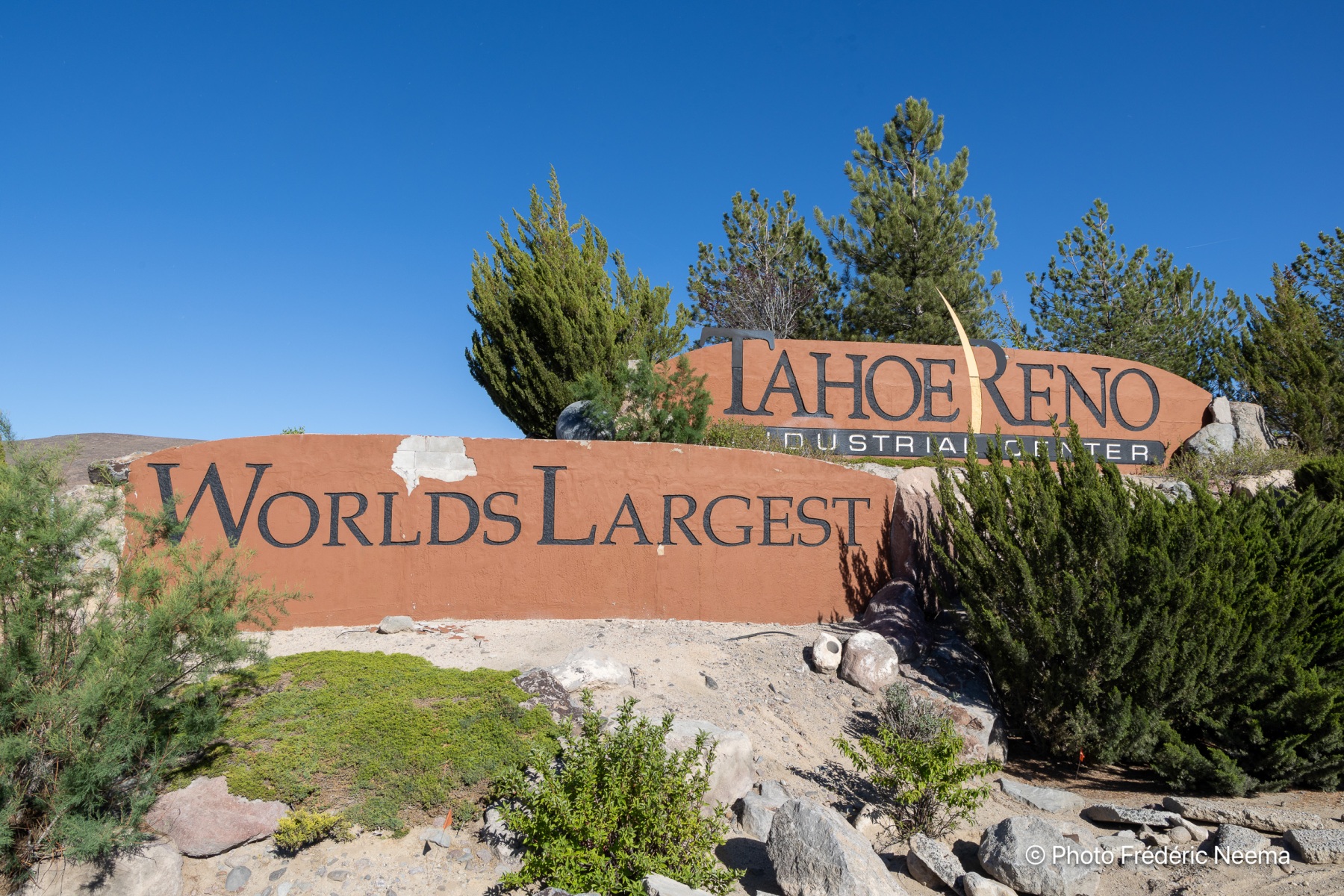
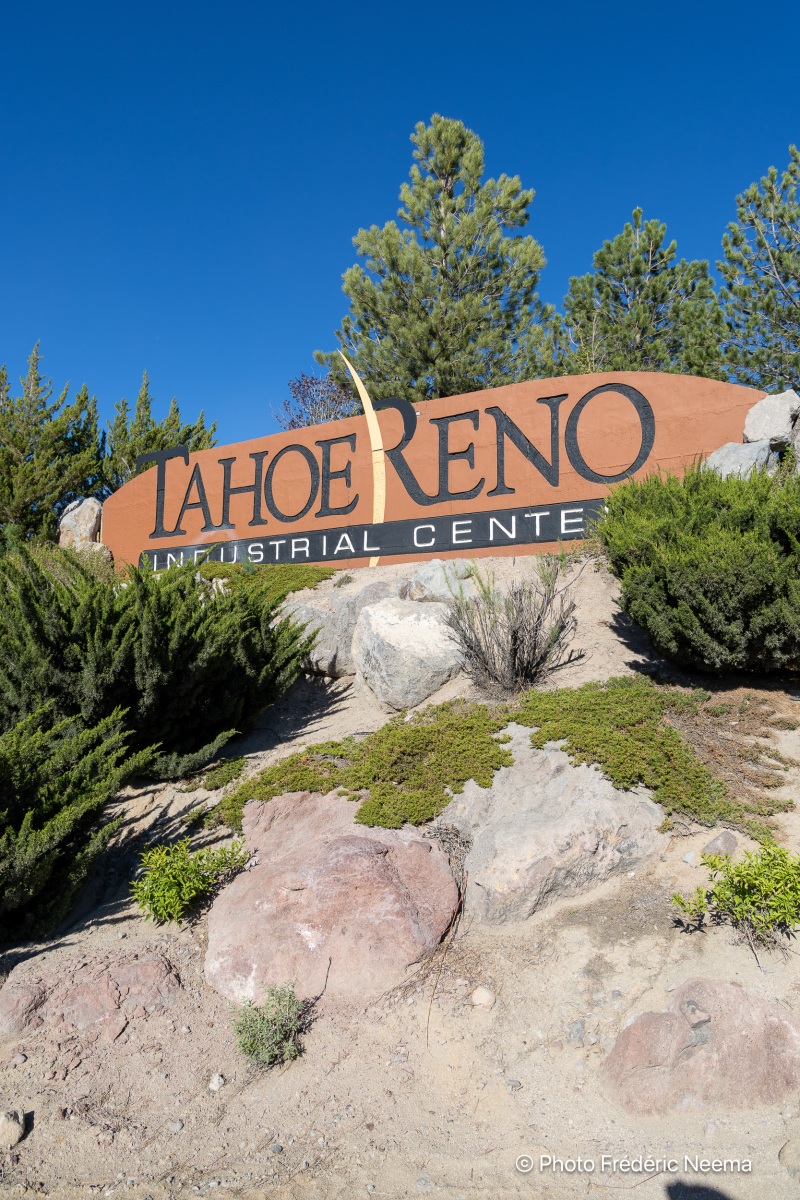
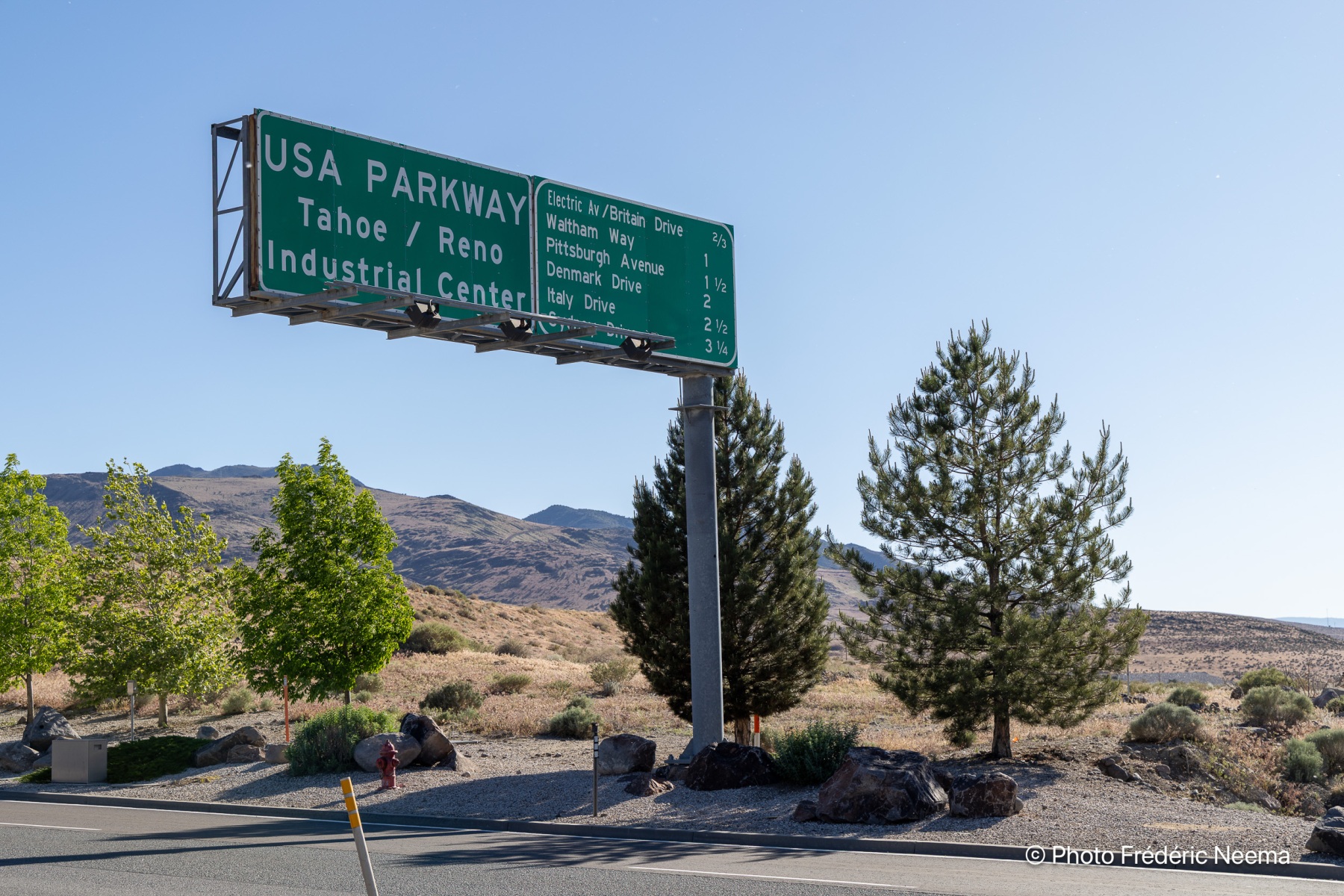
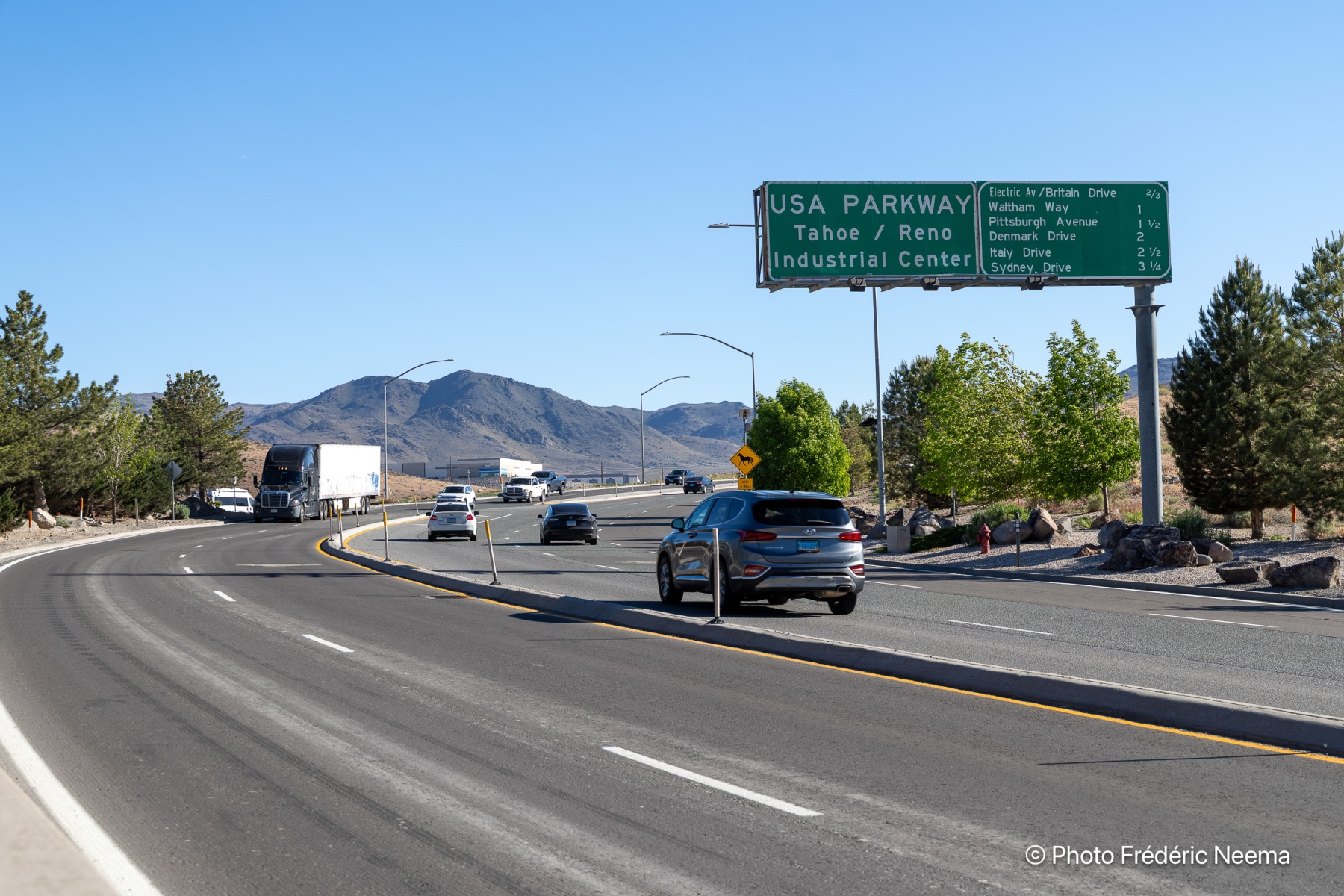
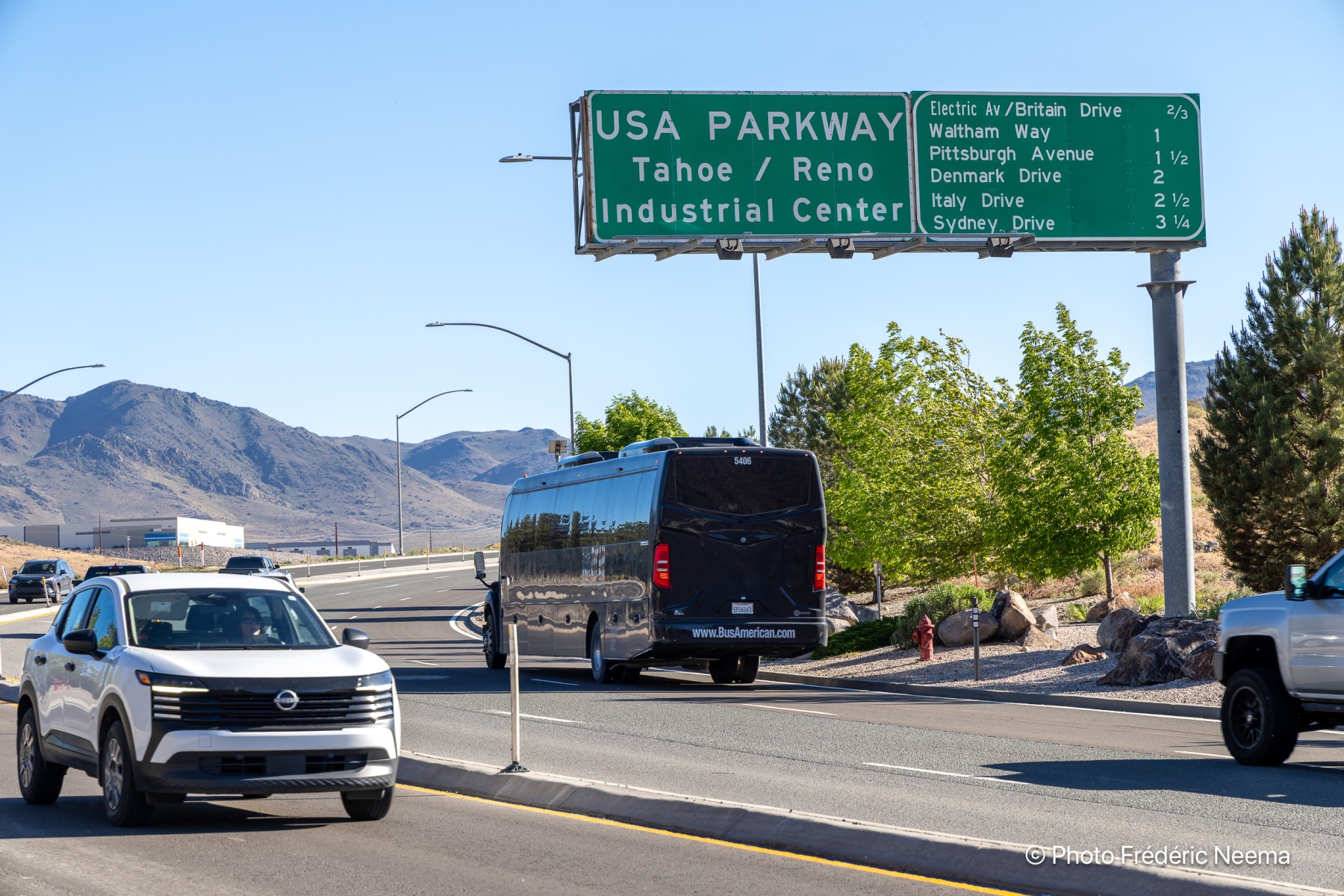
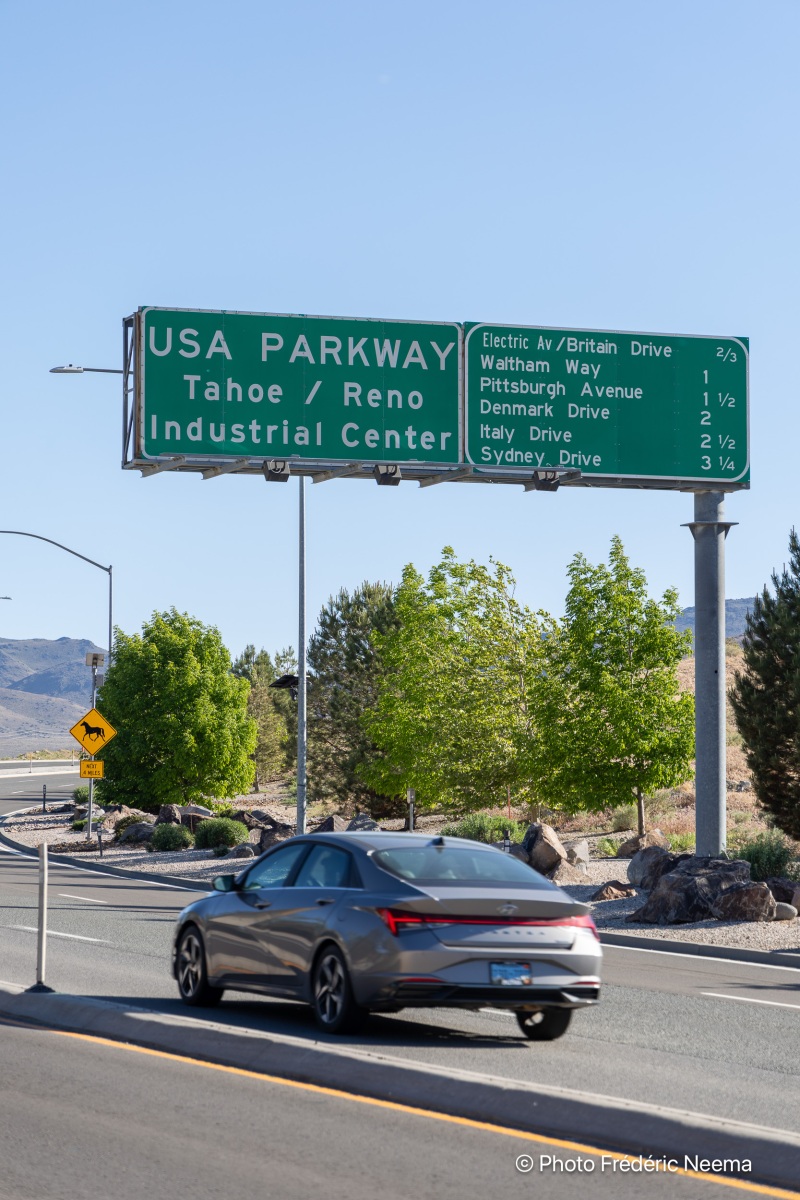
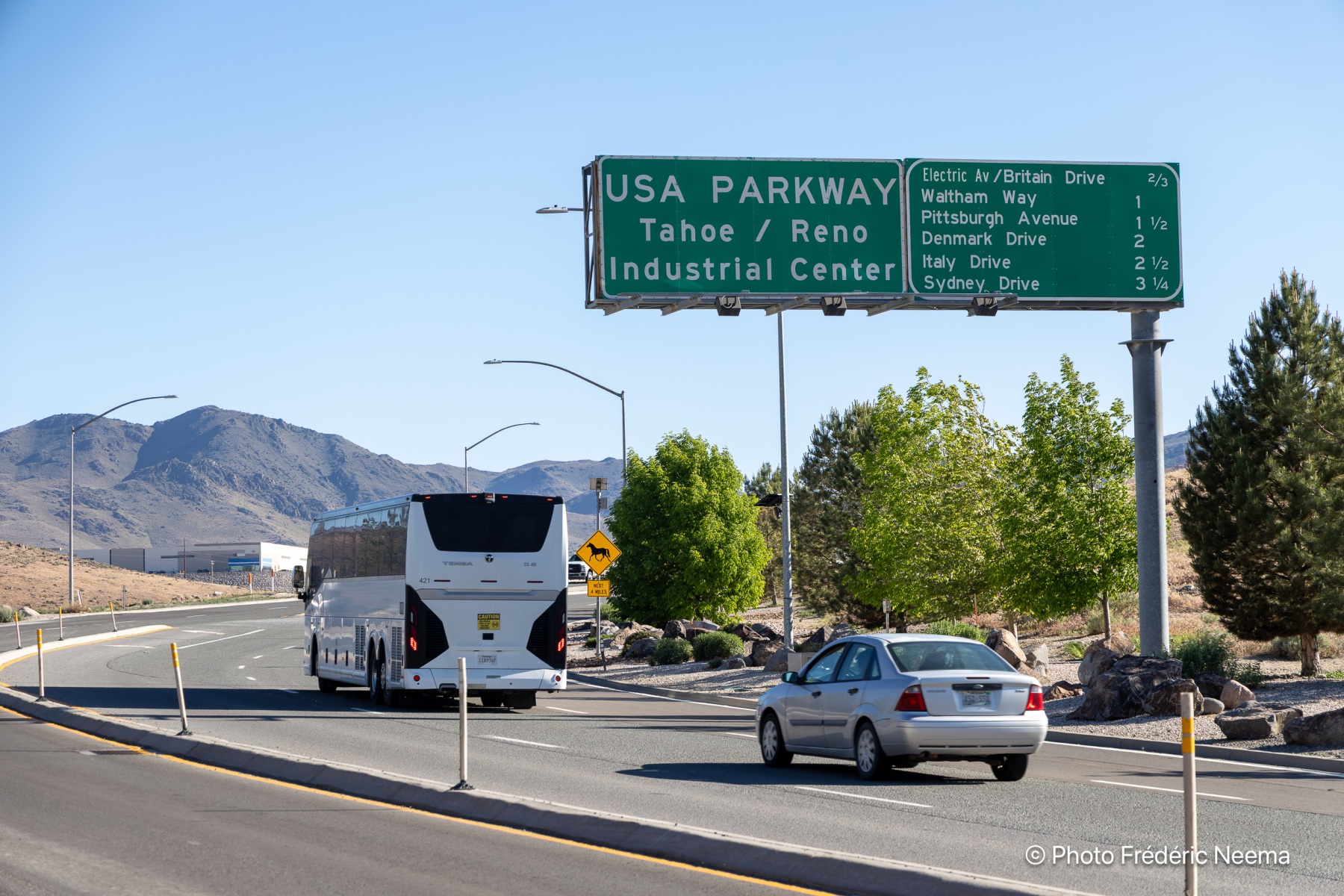
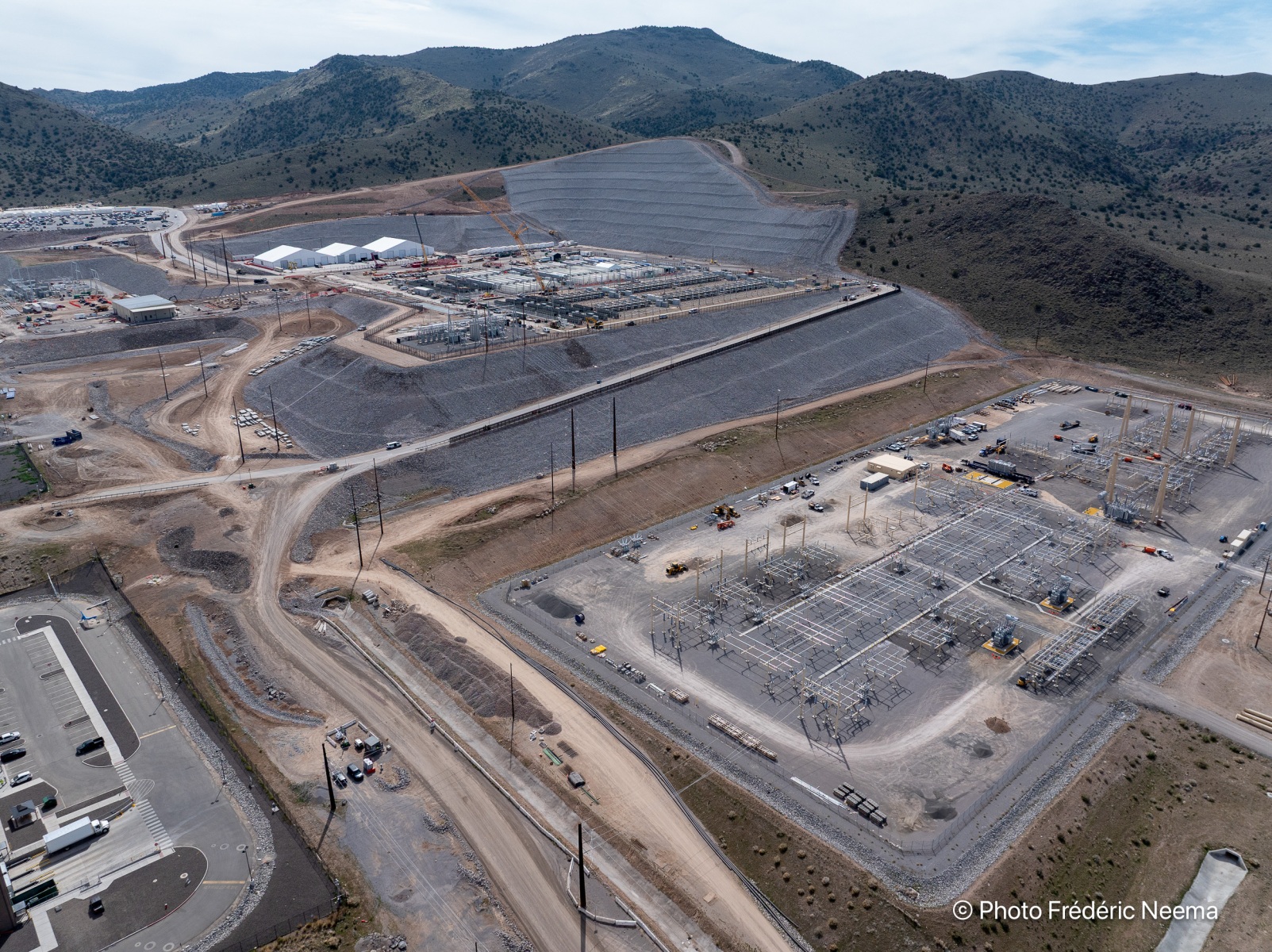
The entrance signs to TRIC mark the gateway to what has become a strategic digital corridor linking Northern Nevada to the Bay Area and the broader West Coast technology ecosystem. Fast fiber connections, relatively low energy costs, tax incentives, and vast expanses of affordable land have attracted an expanding list of hyperscale operators. Companies are no longer building simple server warehouses. They are constructing highly engineered industrial ecosystems with dedicated substations, water infrastructure, backup systems, and specialized cooling technologies capable of supporting the relentless demands of AI computation.
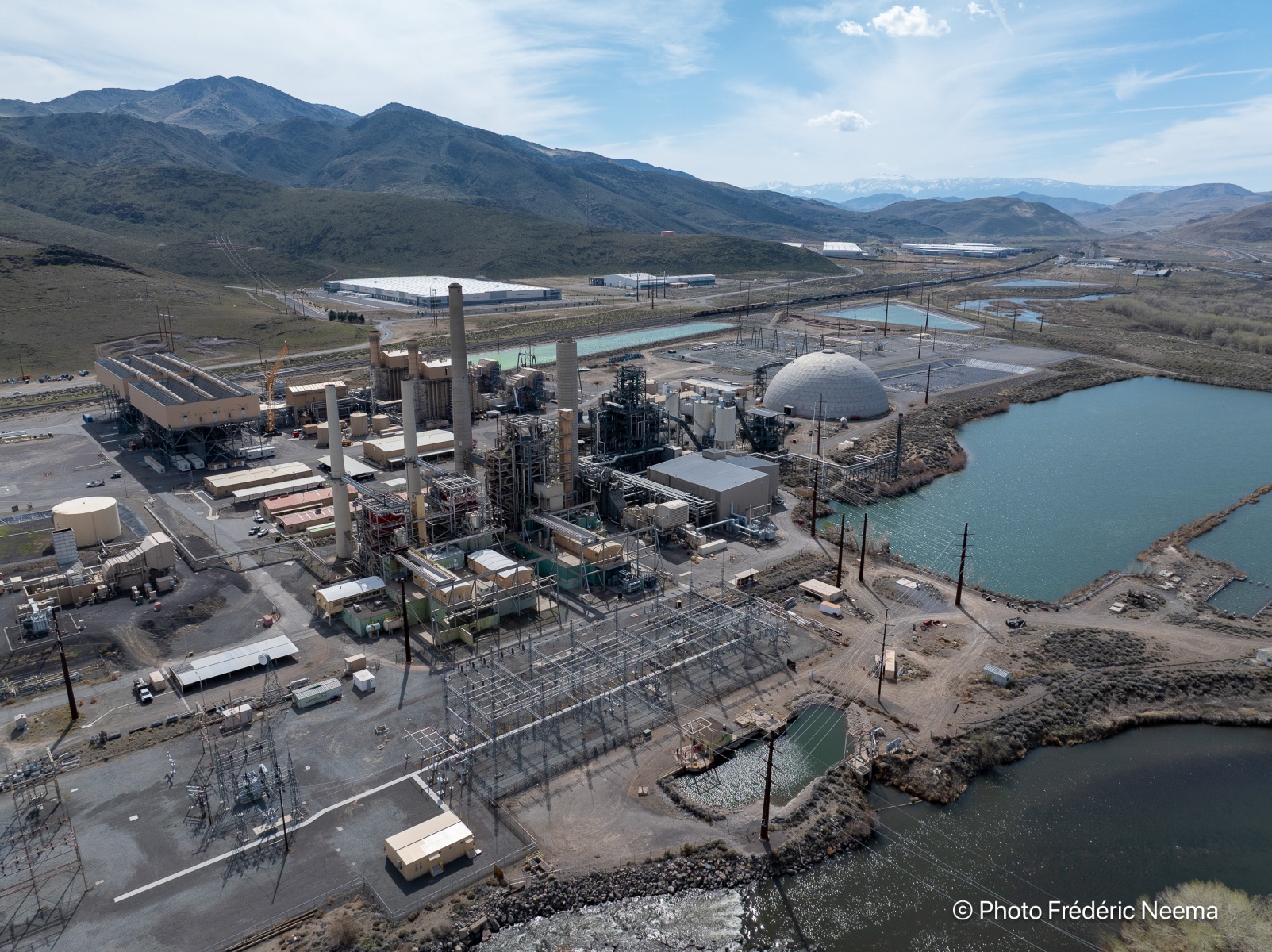
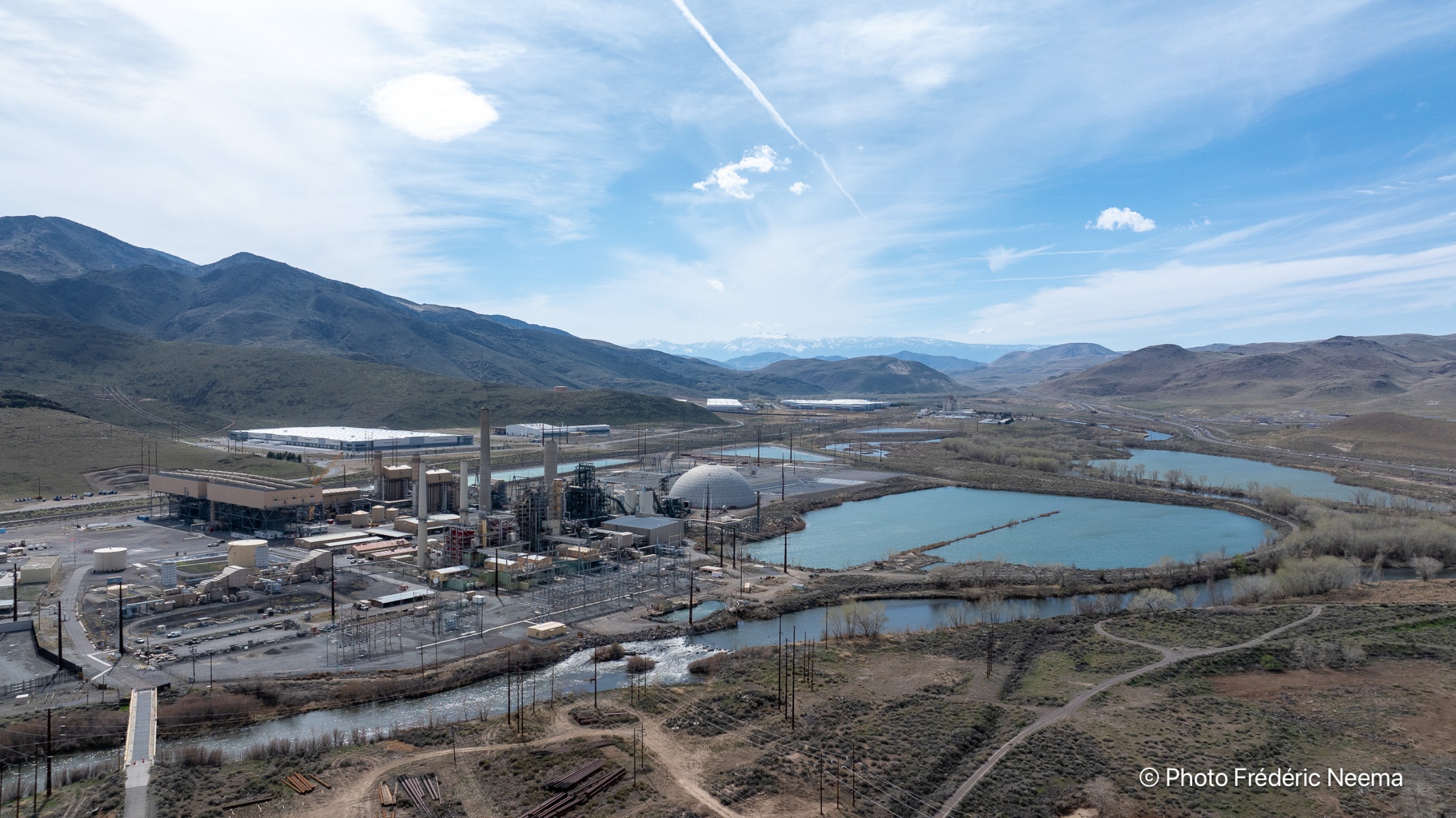
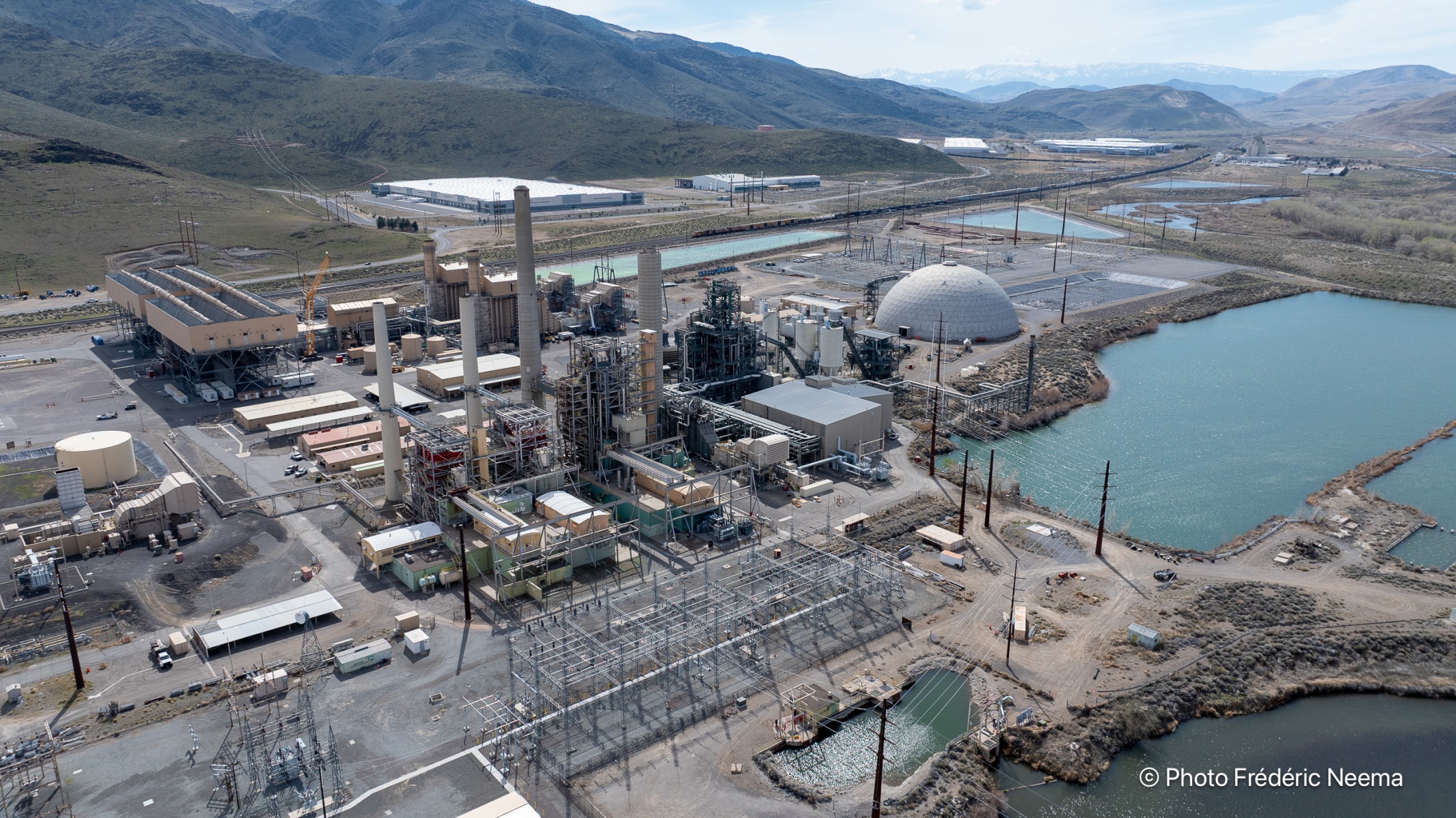
Power generation has become inseparable from this growth. The Frank A. Tracy Generating Station, operated by NV Energy, now plays a crucial role in supporting the expanding data infrastructure of the region. As artificial intelligence and cloud services continue to increase global electricity demand, facilities like Tracy provide the reliable energy required to maintain the nonstop operation of hyperscale campuses. The relationship between data centers and energy production has become one of the defining industrial stories of the digital age, where information itself now carries a significant physical and environmental footprint.
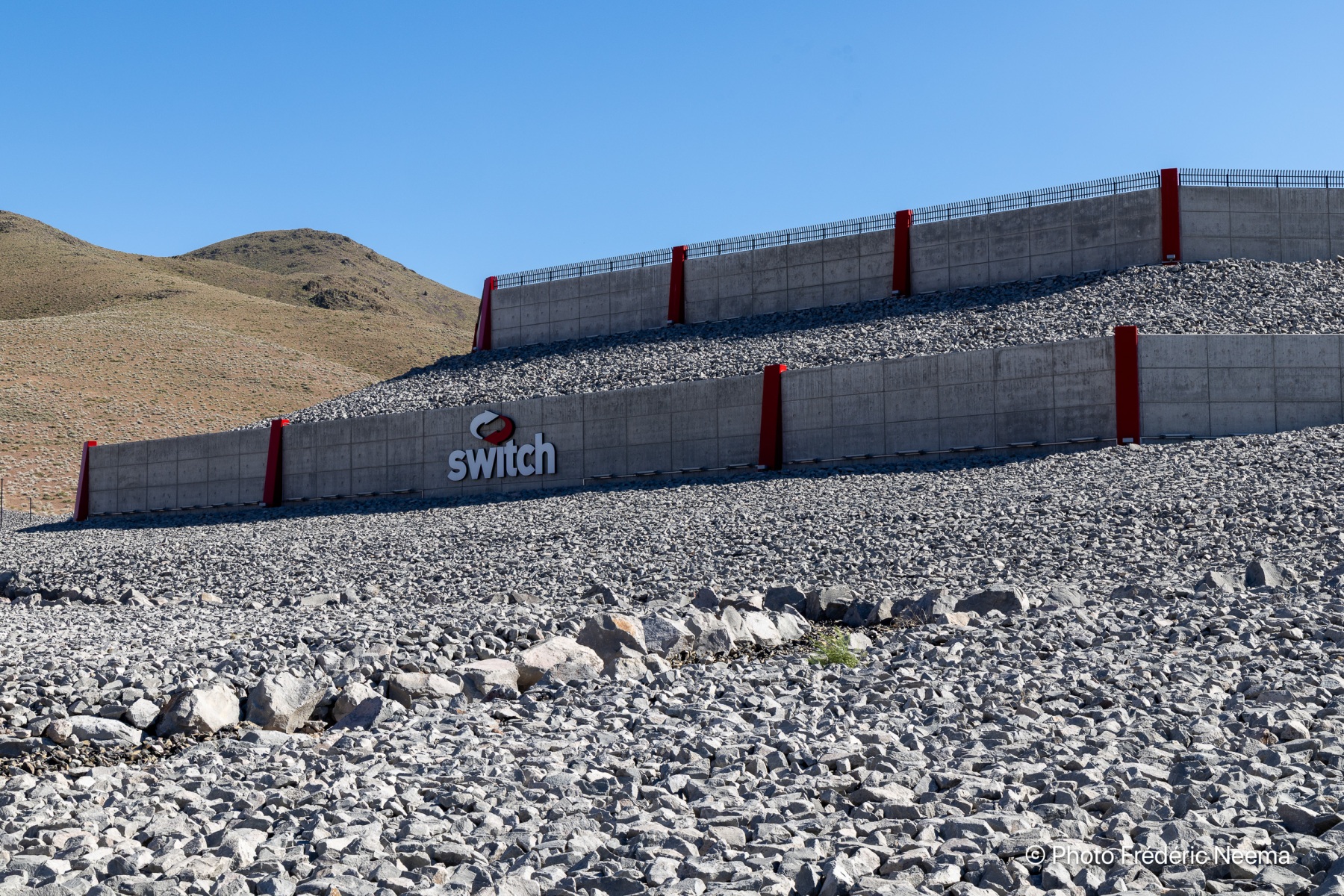
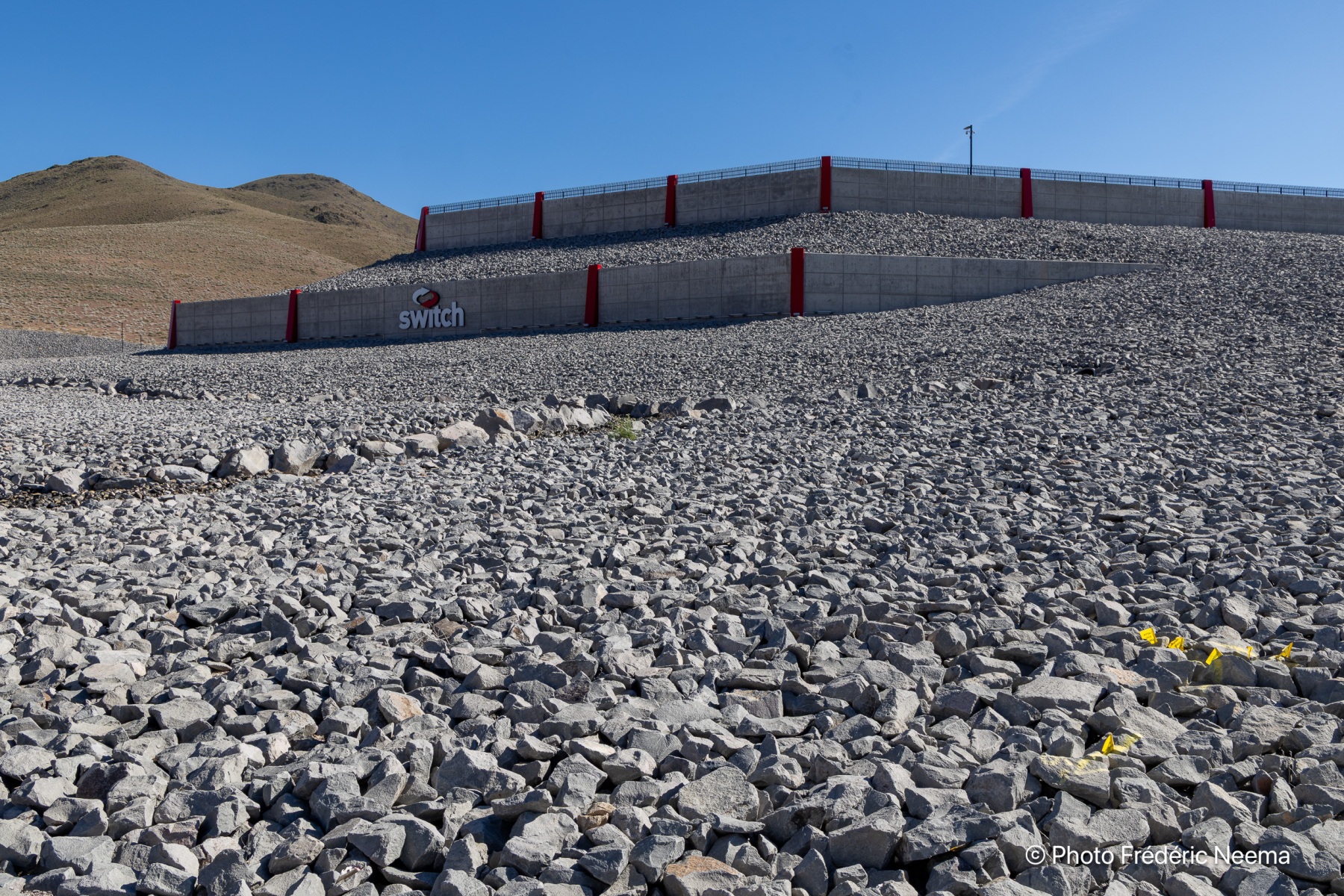
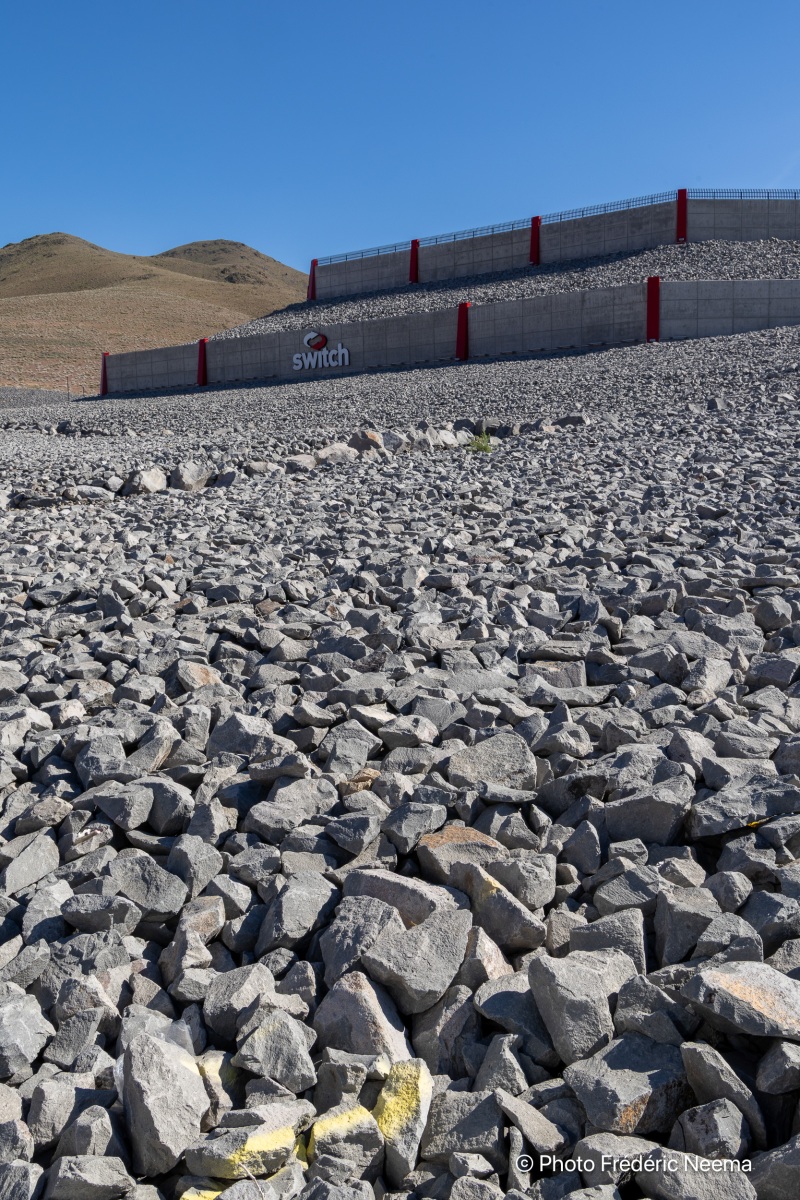
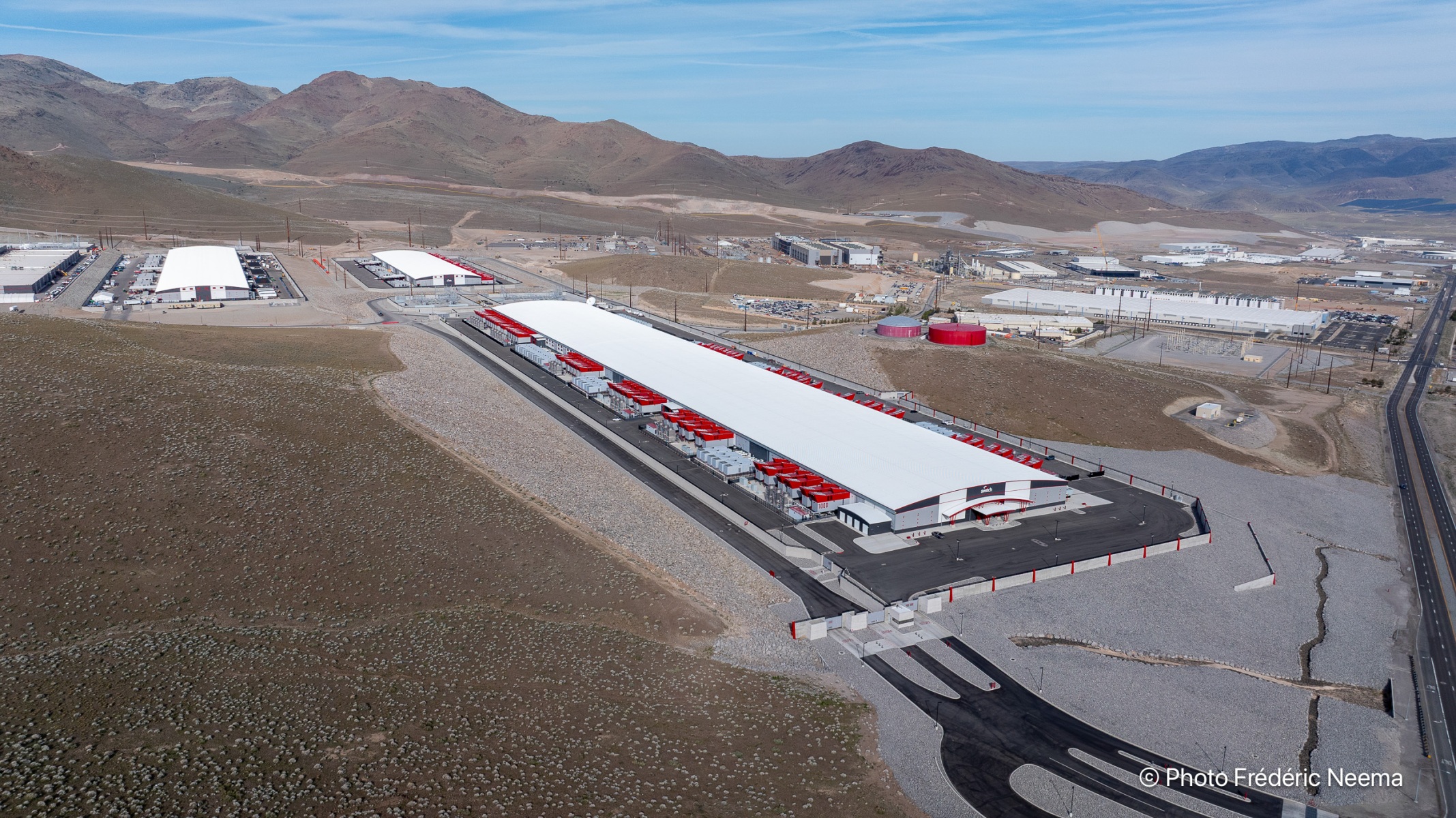
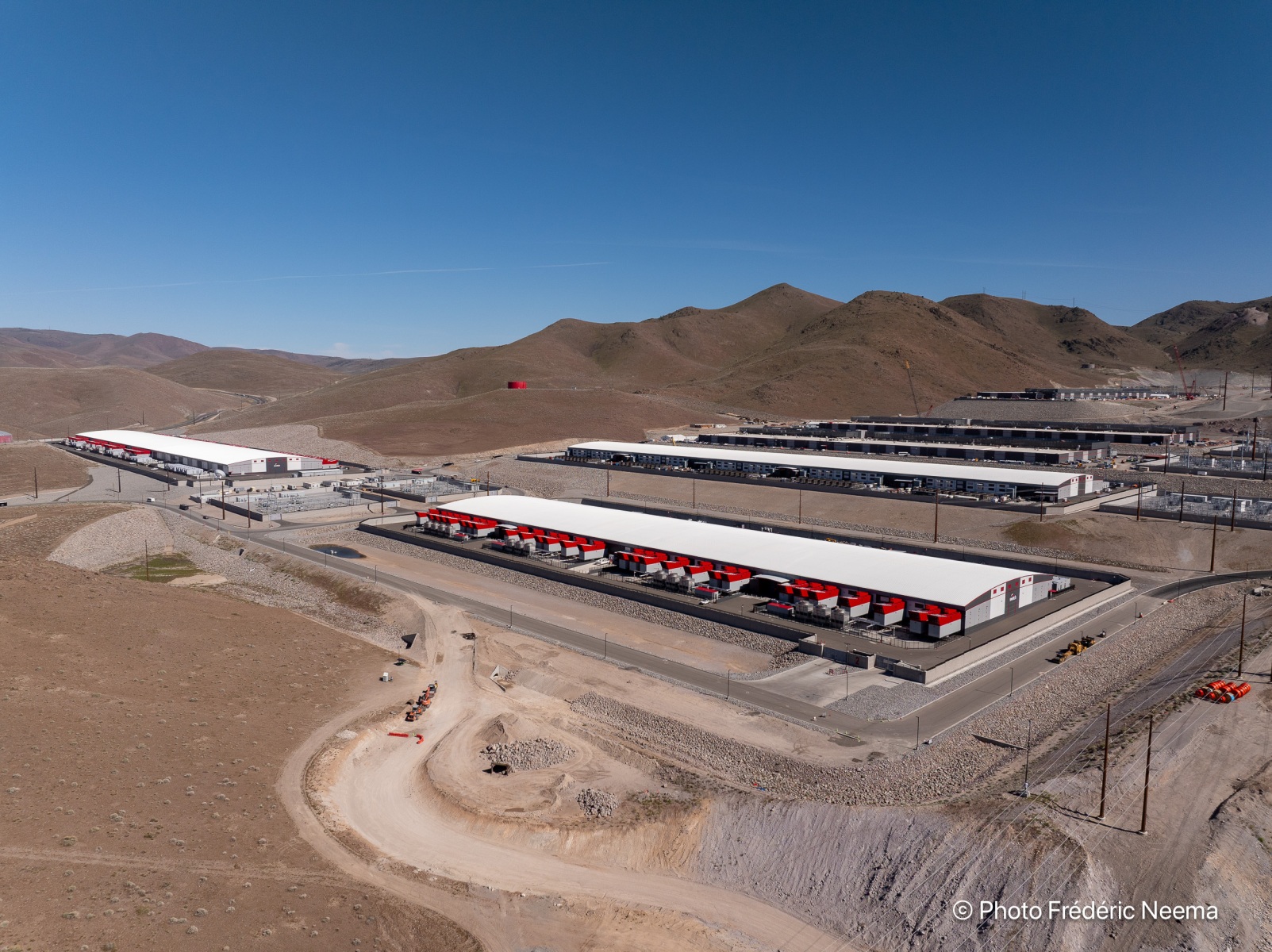
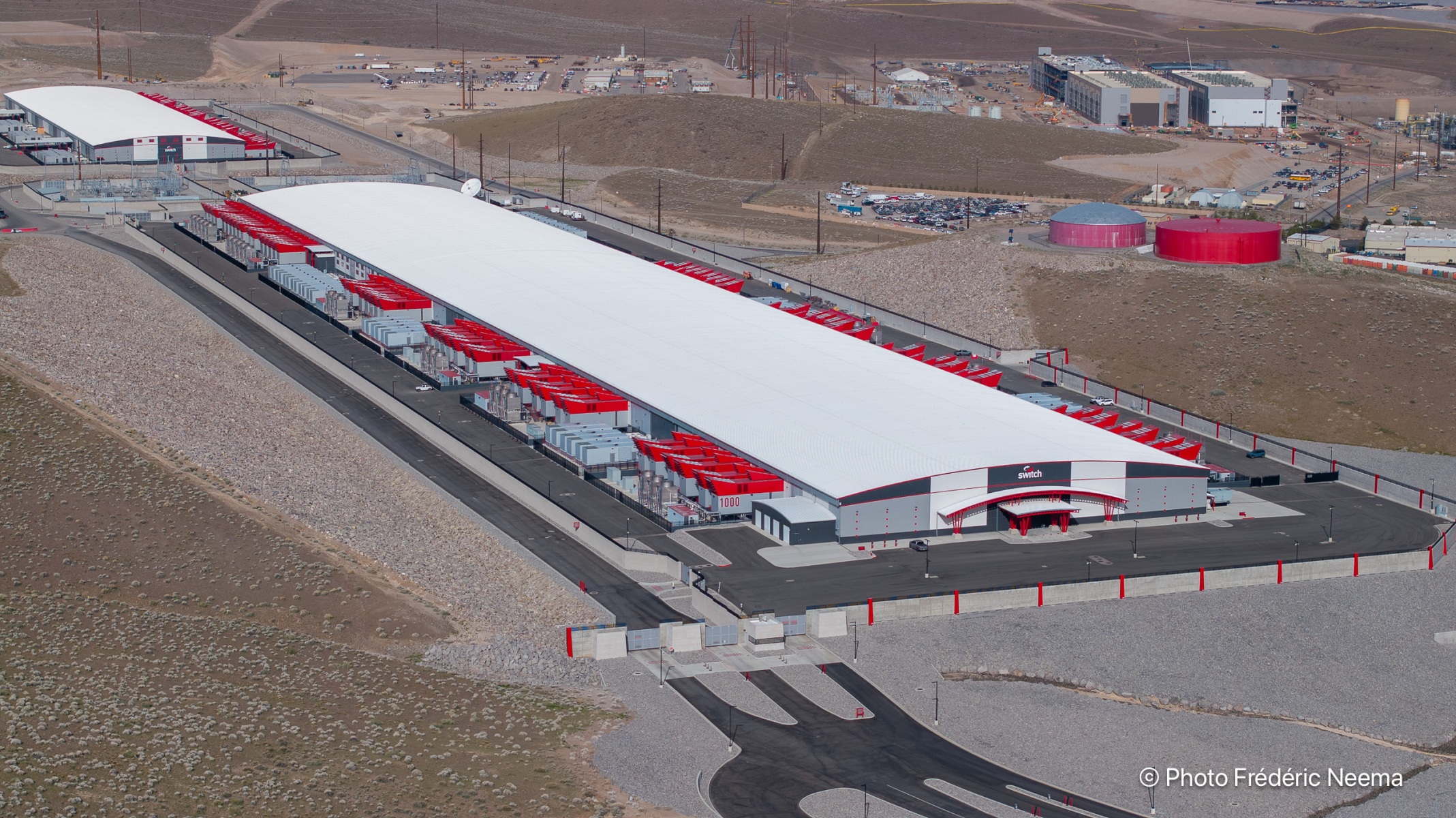
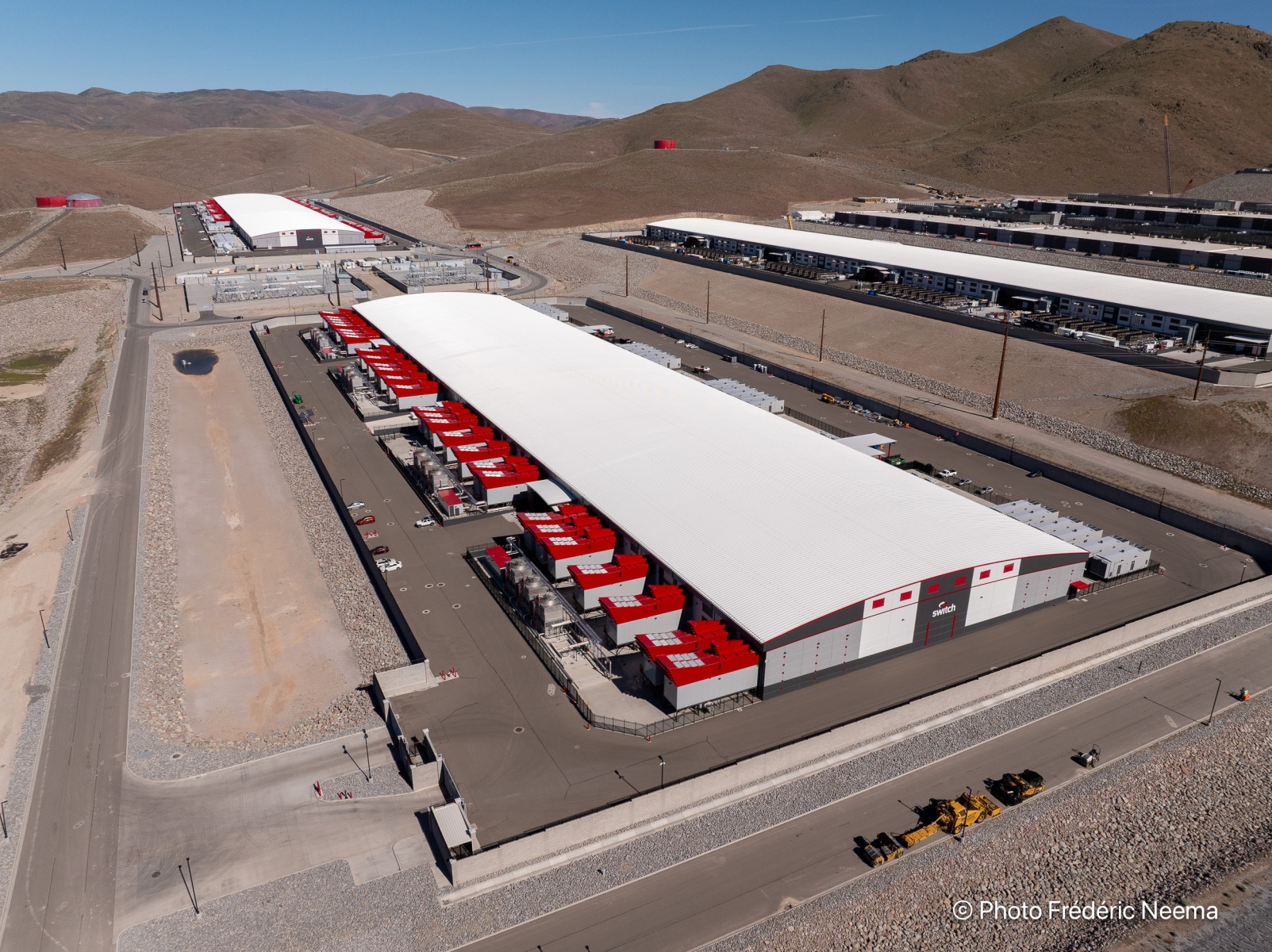
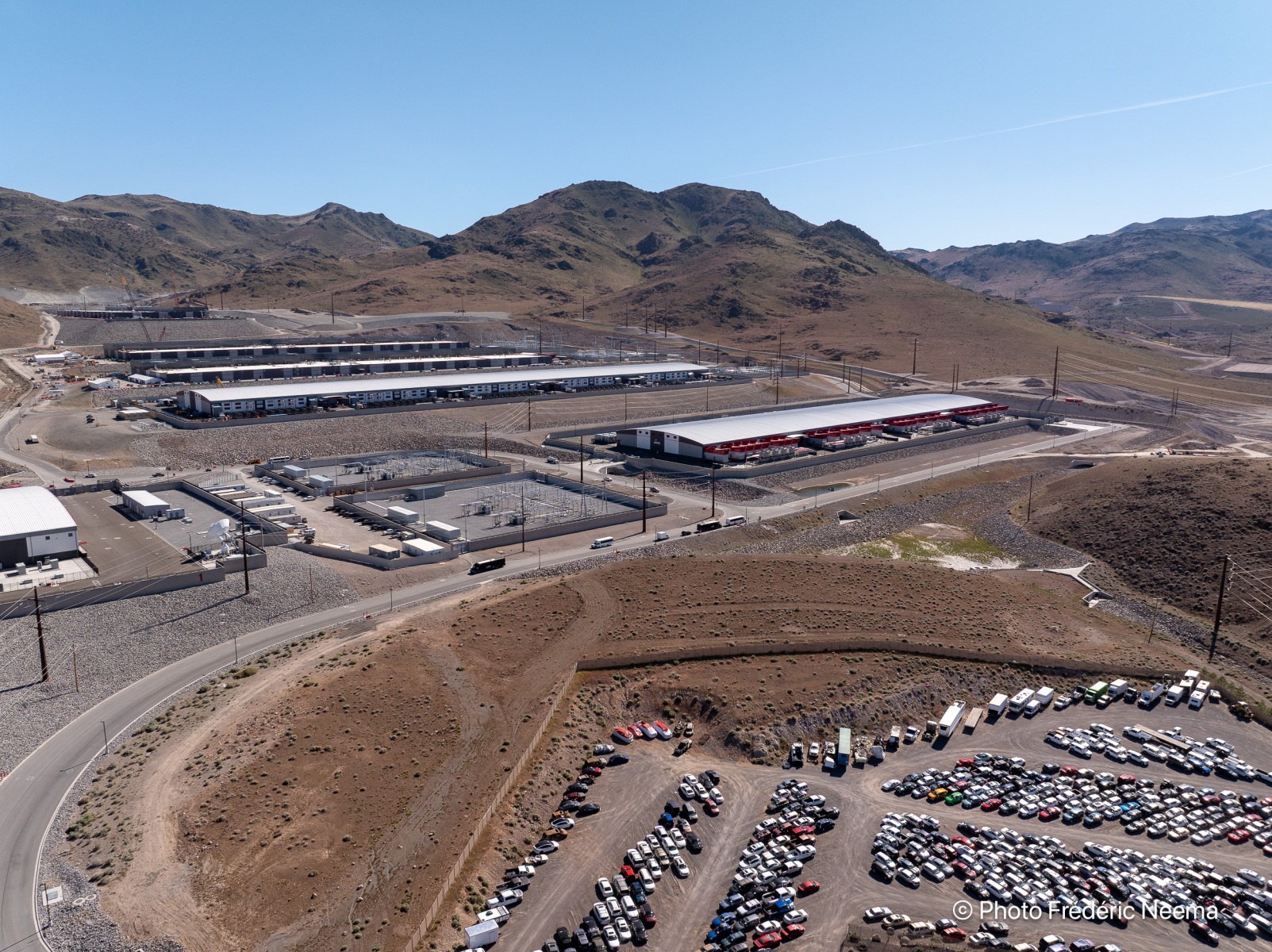
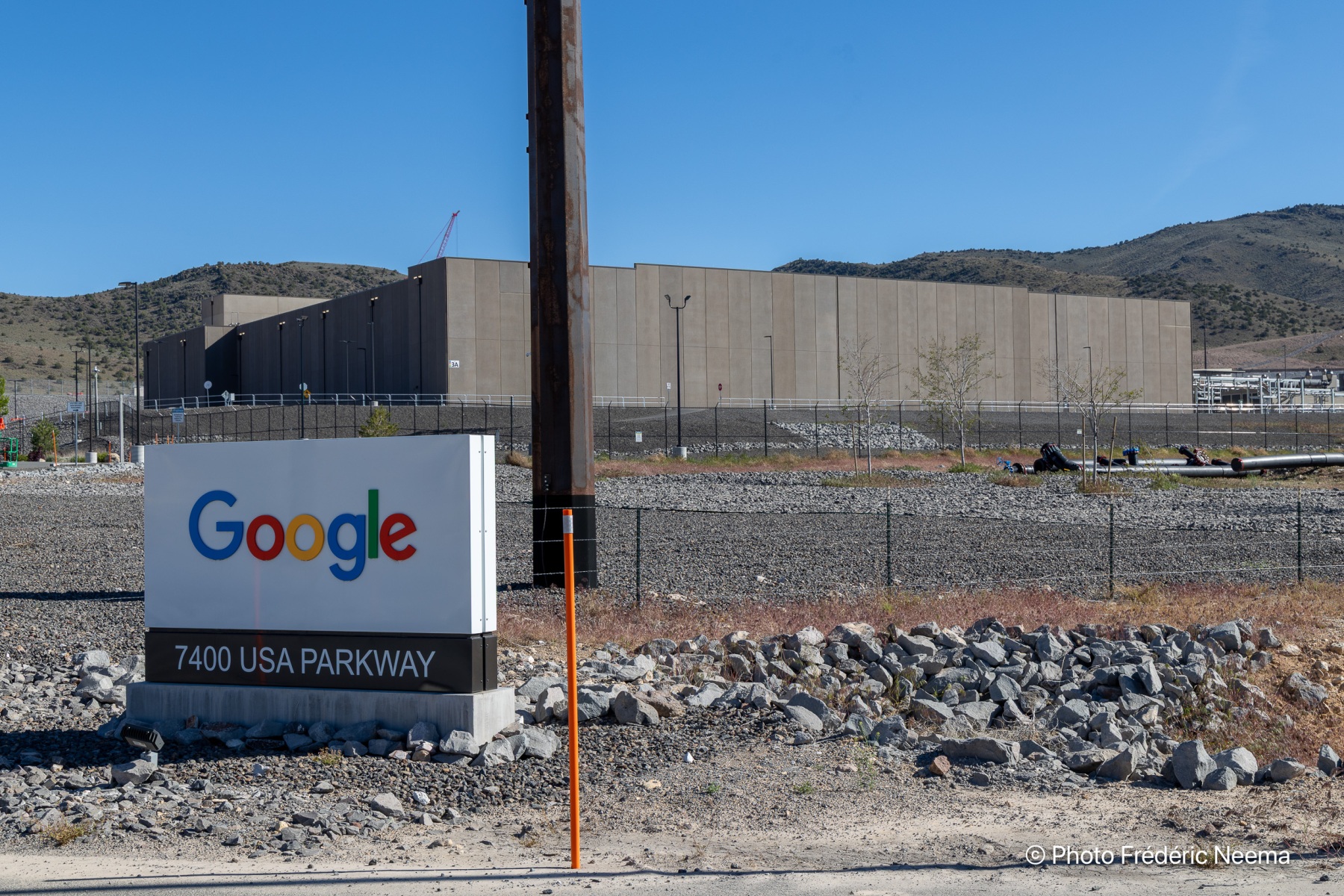
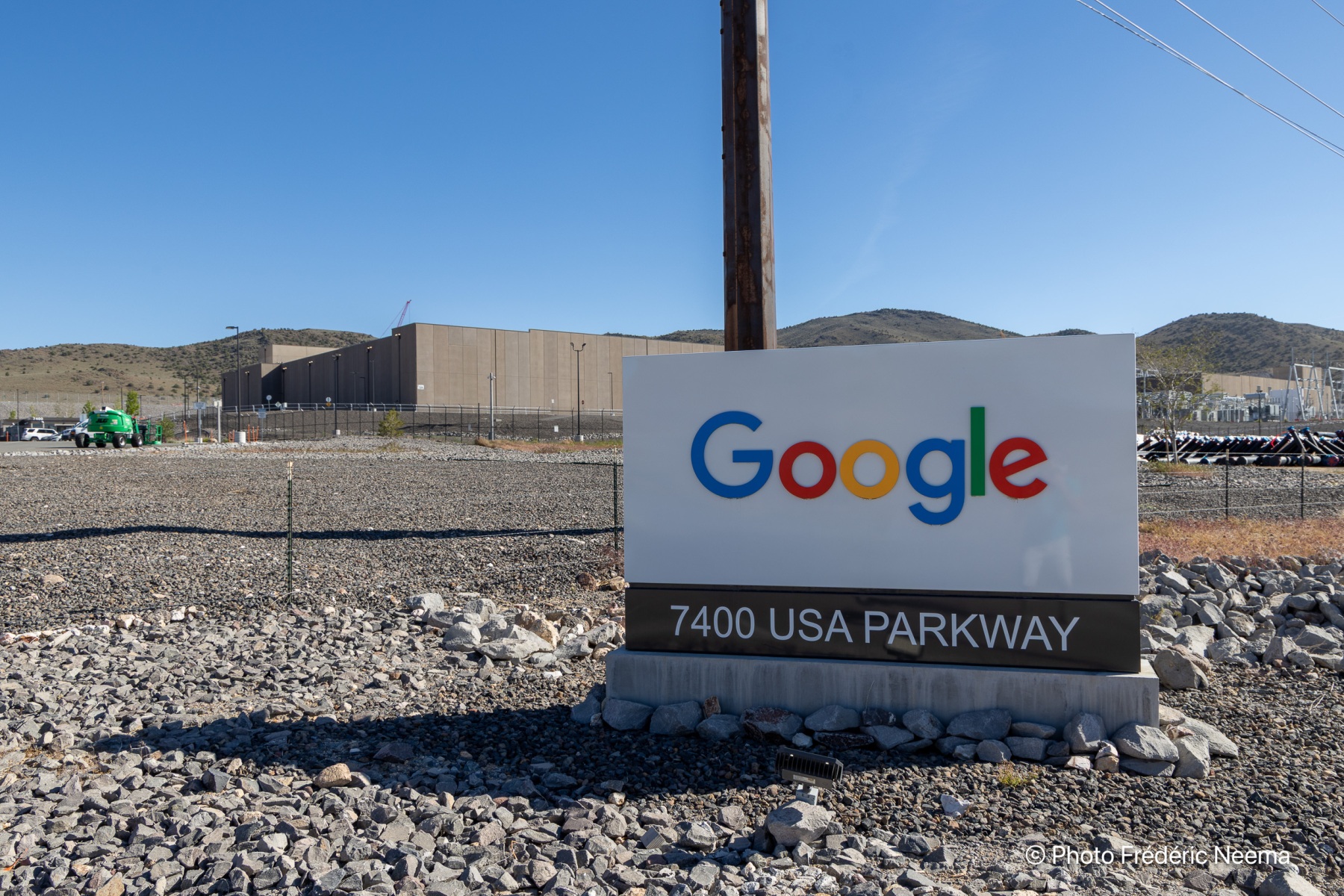
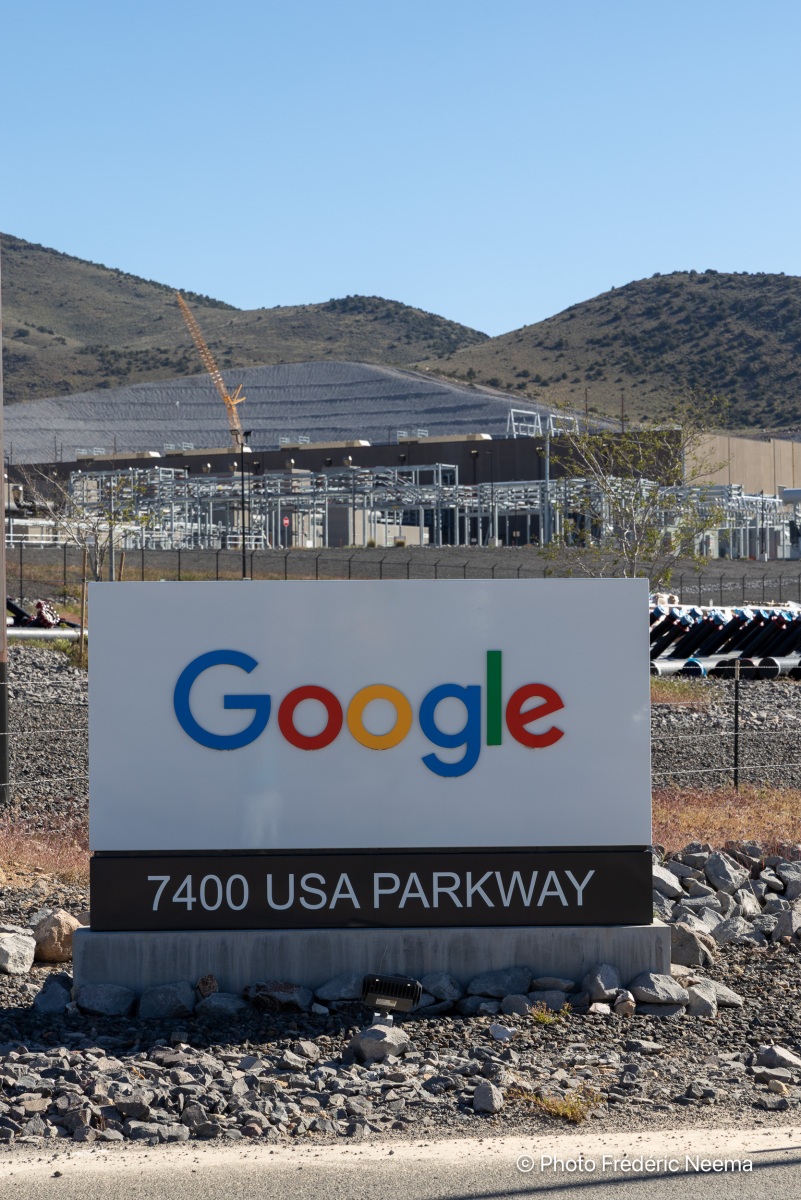
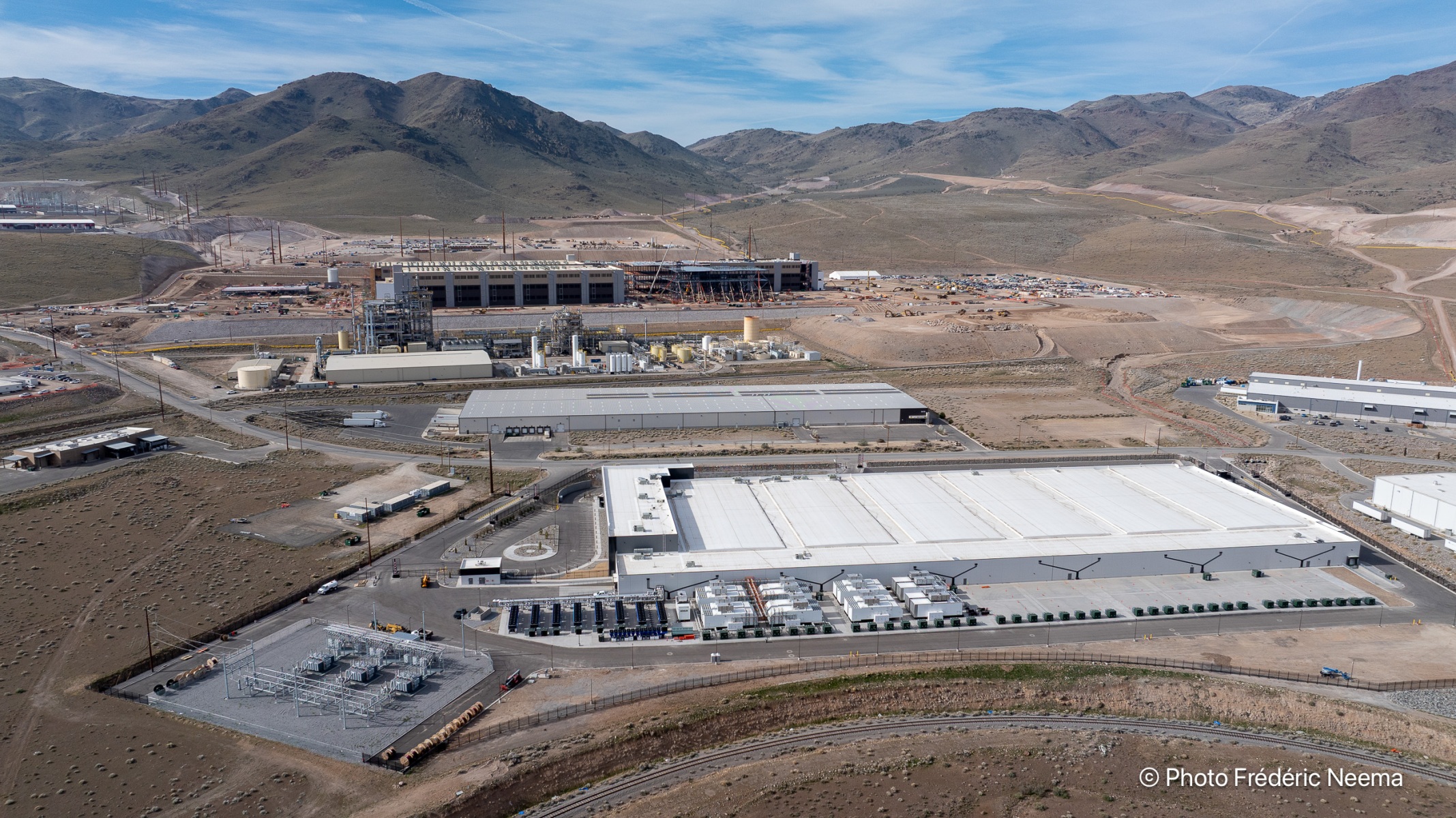
The scale of investment is visible across the region. Google operates a major campus at TRIC, reflecting the growing concentration of cloud and AI infrastructure in Northern Nevada. Vast buildings filled with servers, electrical substations, cooling equipment, and fiber networks now occupy large sections of the desert landscape. Similar developments by Novva Data Centers, Switch, and Vantage Data Centers further illustrate how the region has evolved into a critical node of global digital infrastructure.
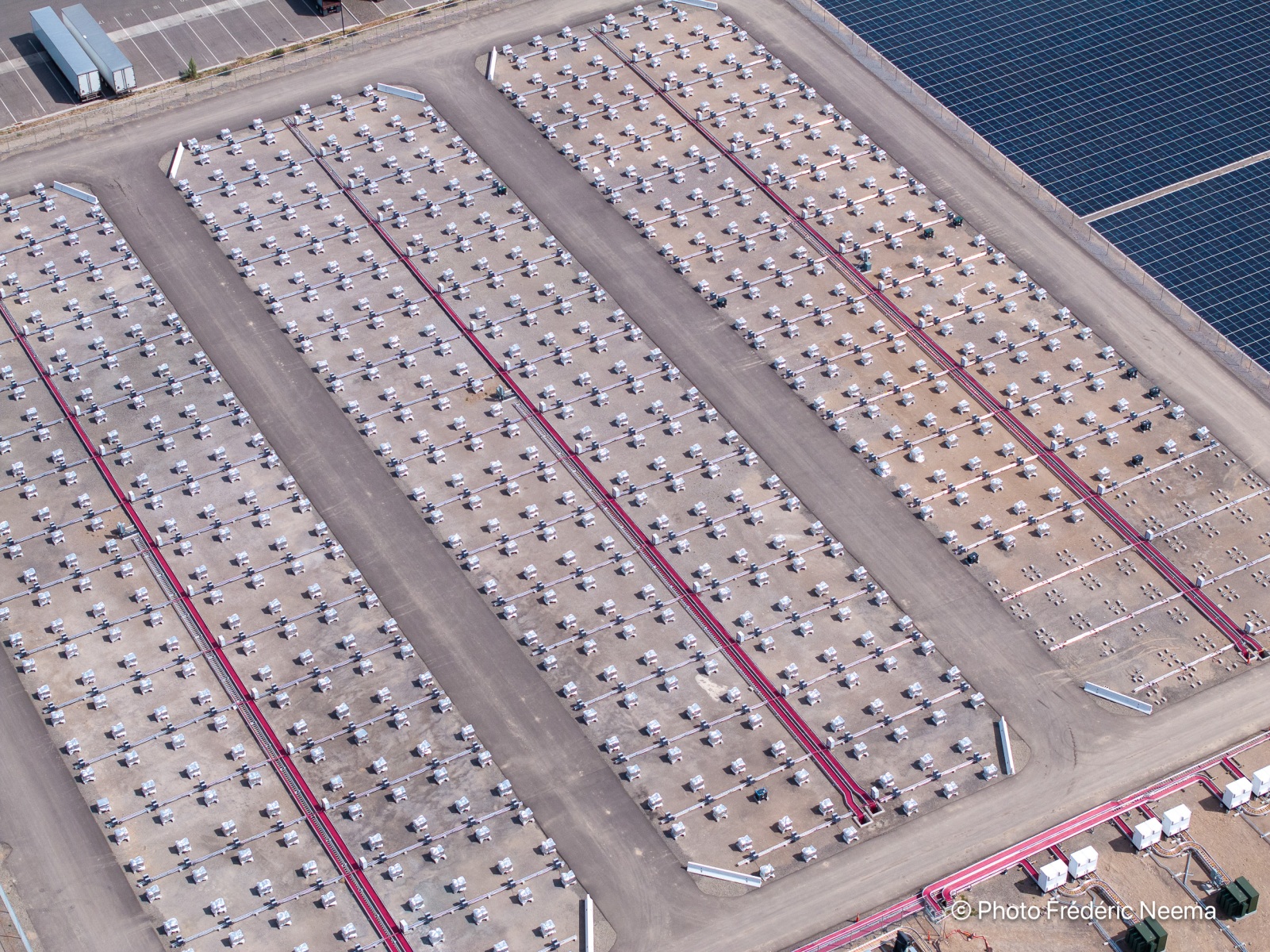
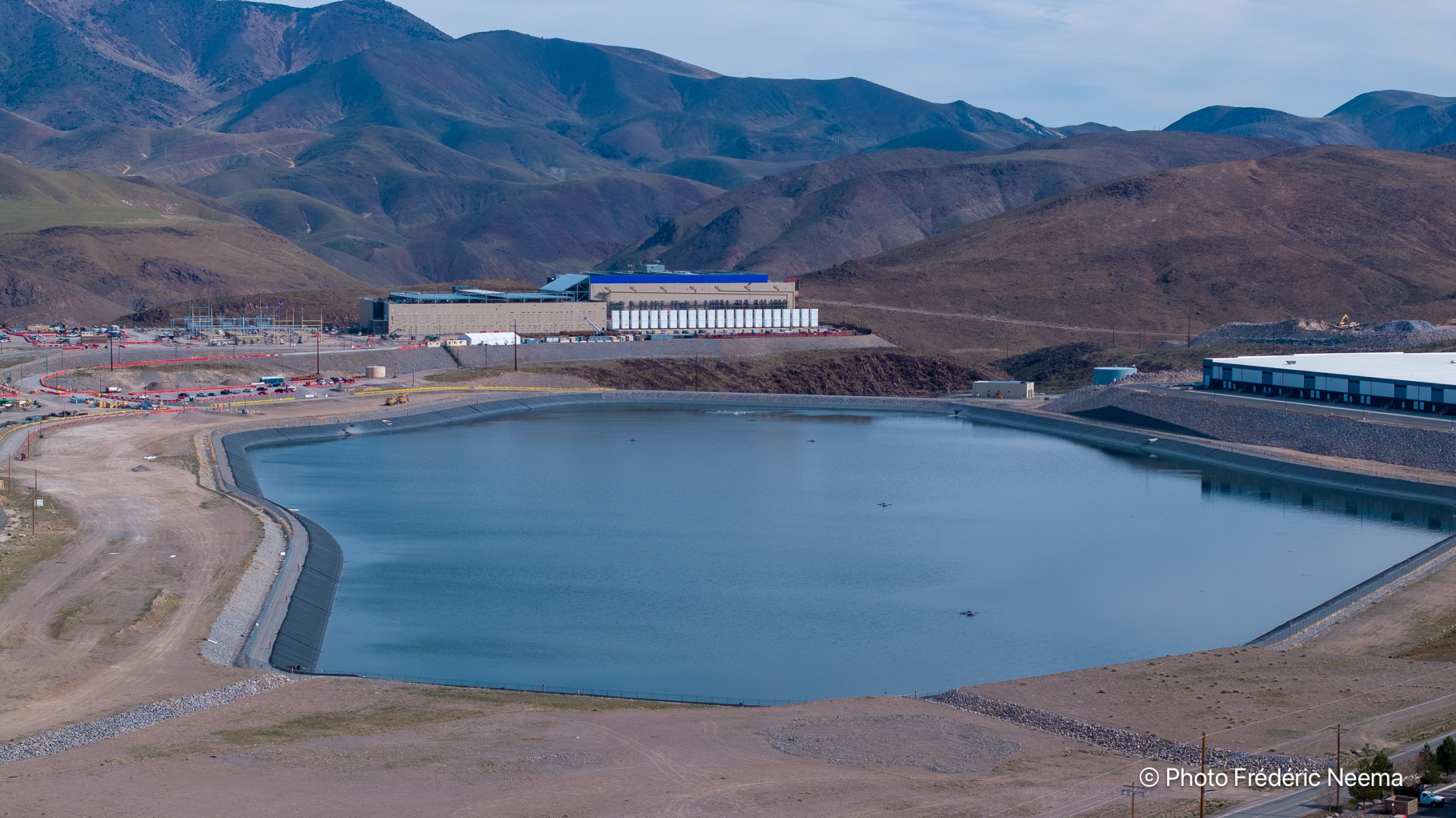
Each campus reflects the unique technical demands of hyperscale computing. Switch, one of the most recognizable operators in the region, built sprawling, highly secure facilities designed to support enterprise cloud services and AI processing at enormous scale. Advanced cooling systems rely heavily on outside air and evaporative technologies adapted to desert climates to reduce energy consumption. At Vantage and Novva, engineered water-retention systems and thermal-management infrastructure reveal another often-overlooked aspect of hyperscale computing: the growing importance of water use and environmental management in large-scale digital operations.
Taken together, these campuses reveal a profound shift in how modern society functions. The cloud is often imagined as something abstract and immaterial, yet the reality is deeply physical. Artificial intelligence, streaming services, cloud storage, financial systems, and online communication all depend on massive industrial facilities consuming extraordinary amounts of power, land, cooling capacity, and connectivity. Northern Nevada has become one of the places where this invisible digital world becomes visible, reshaping the desert into one of the key infrastructures of the twenty-first century.