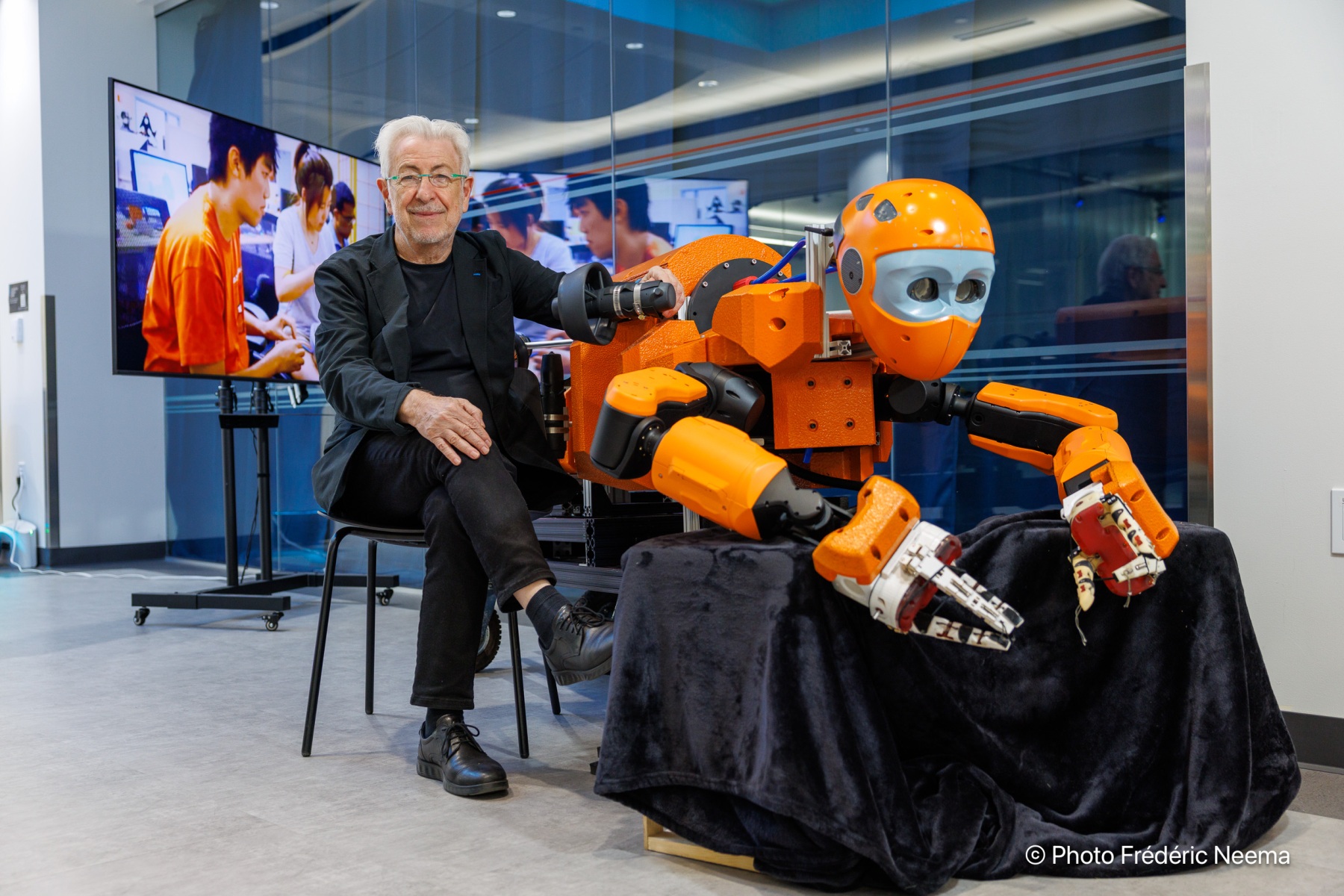
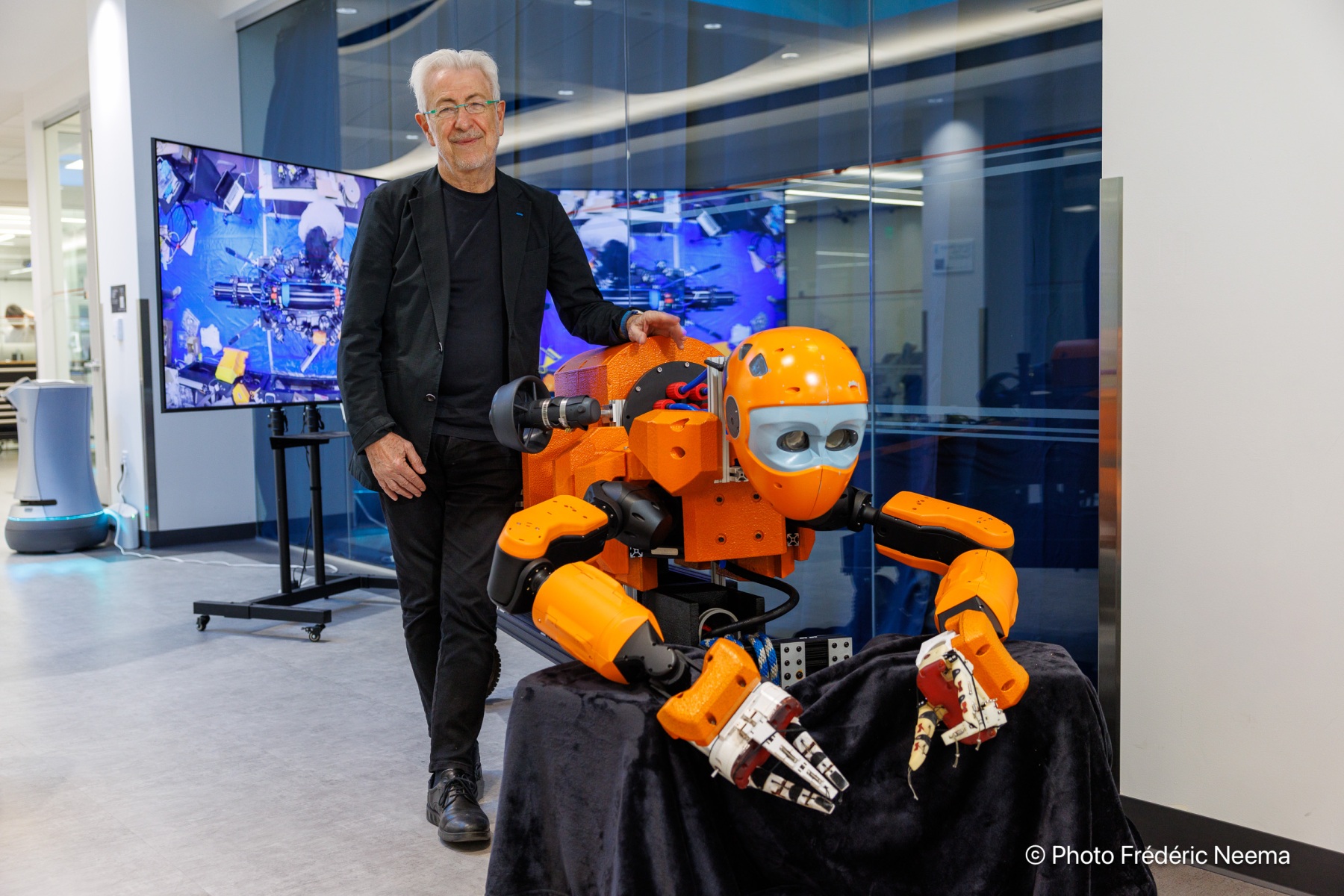
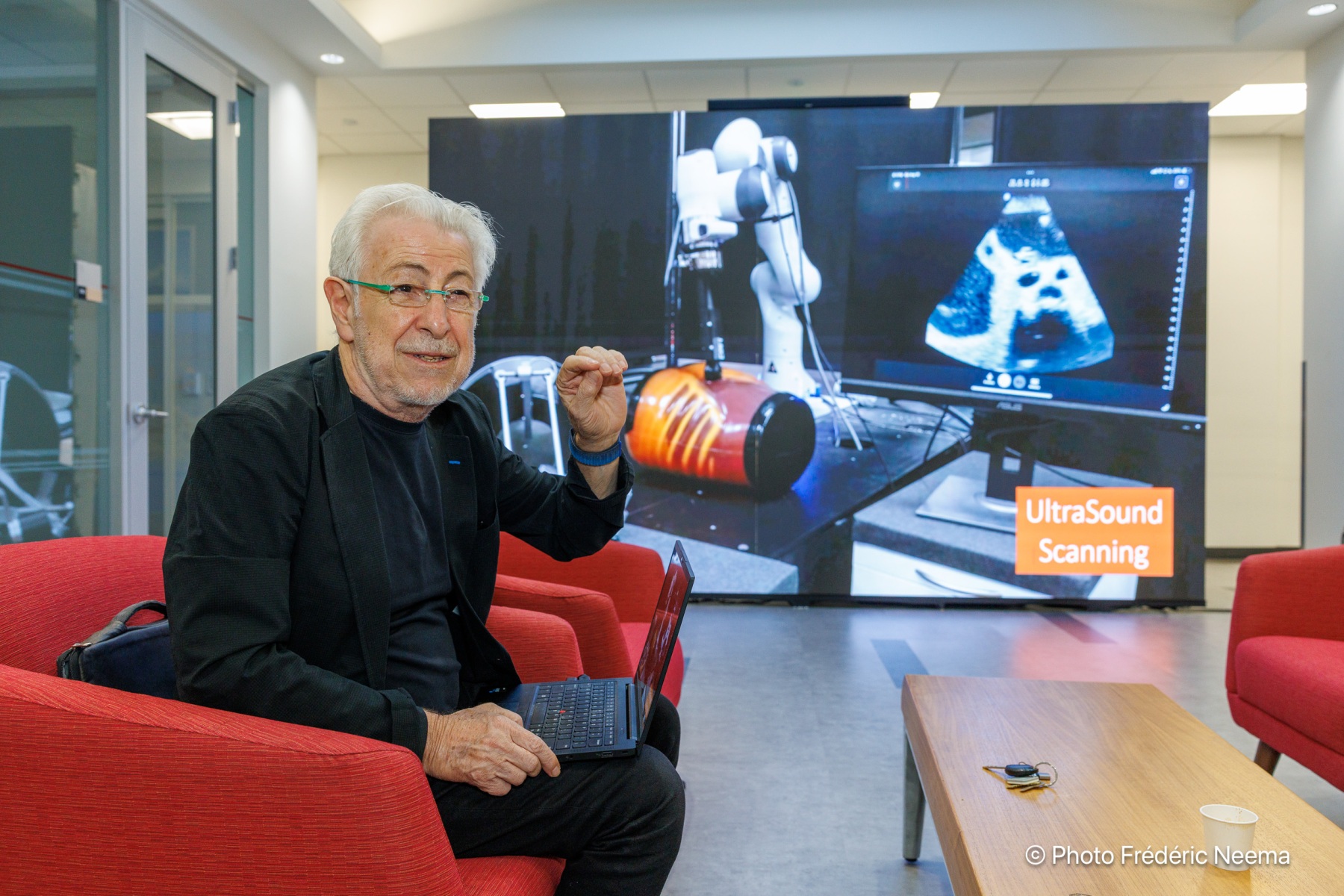
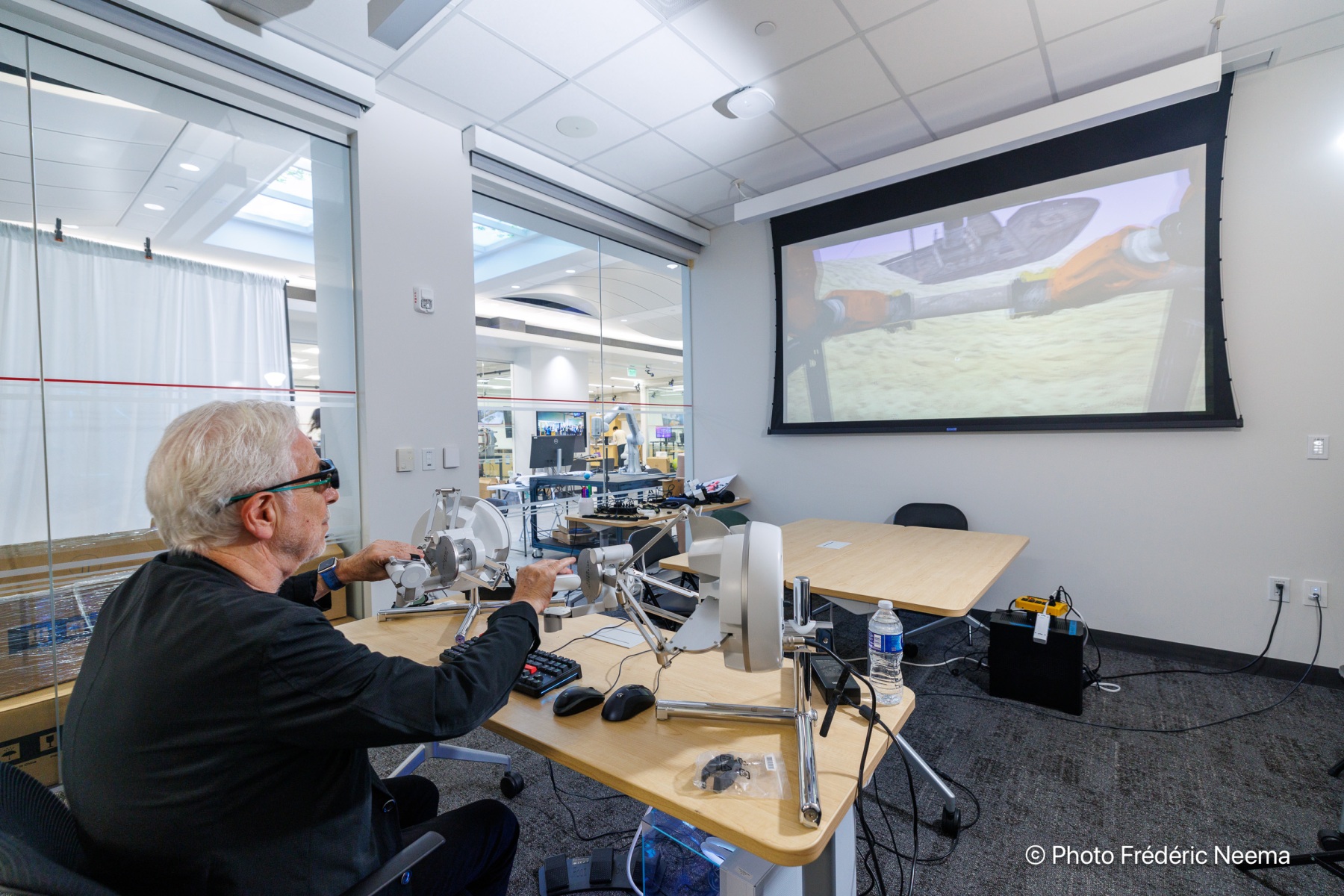
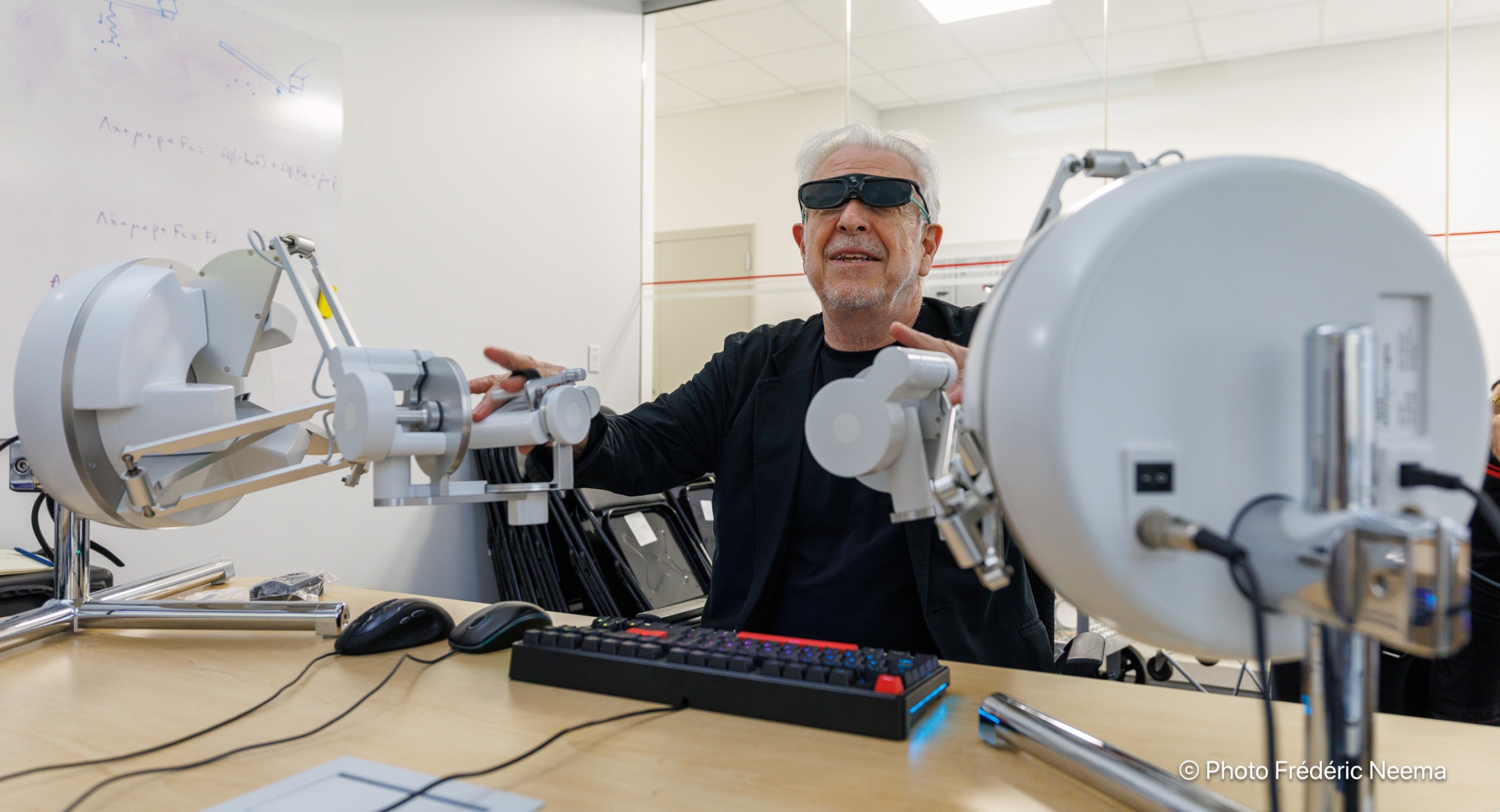
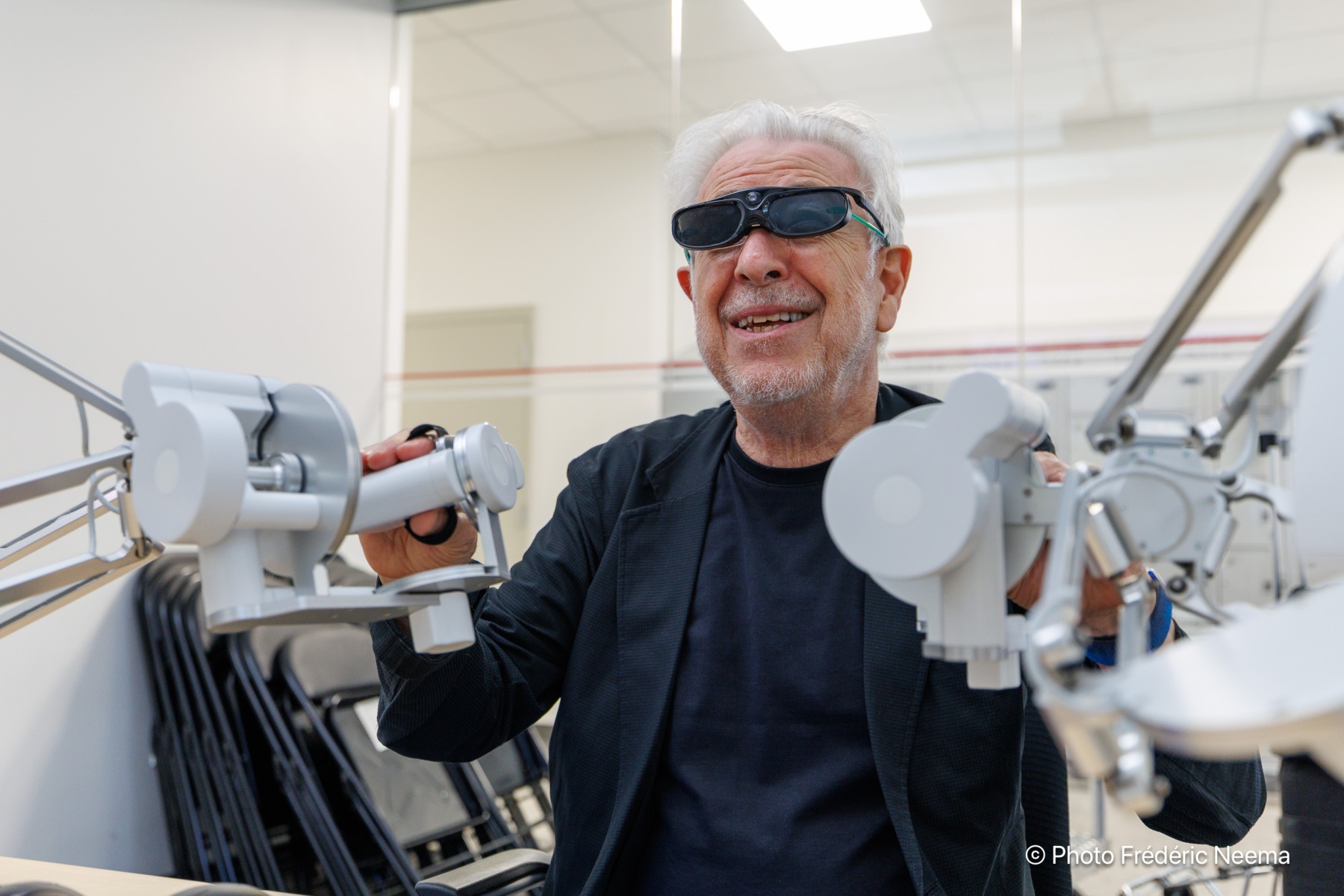
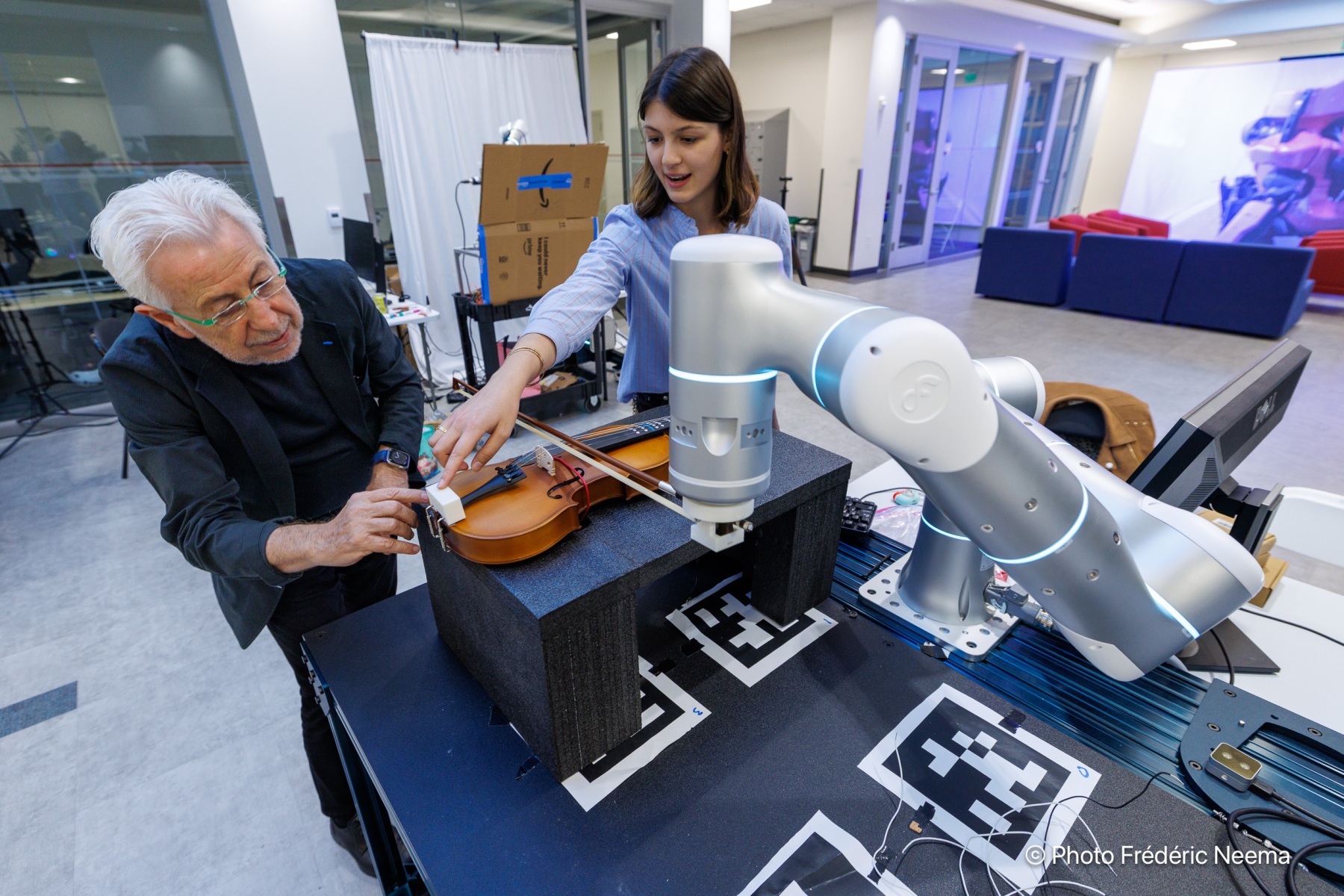
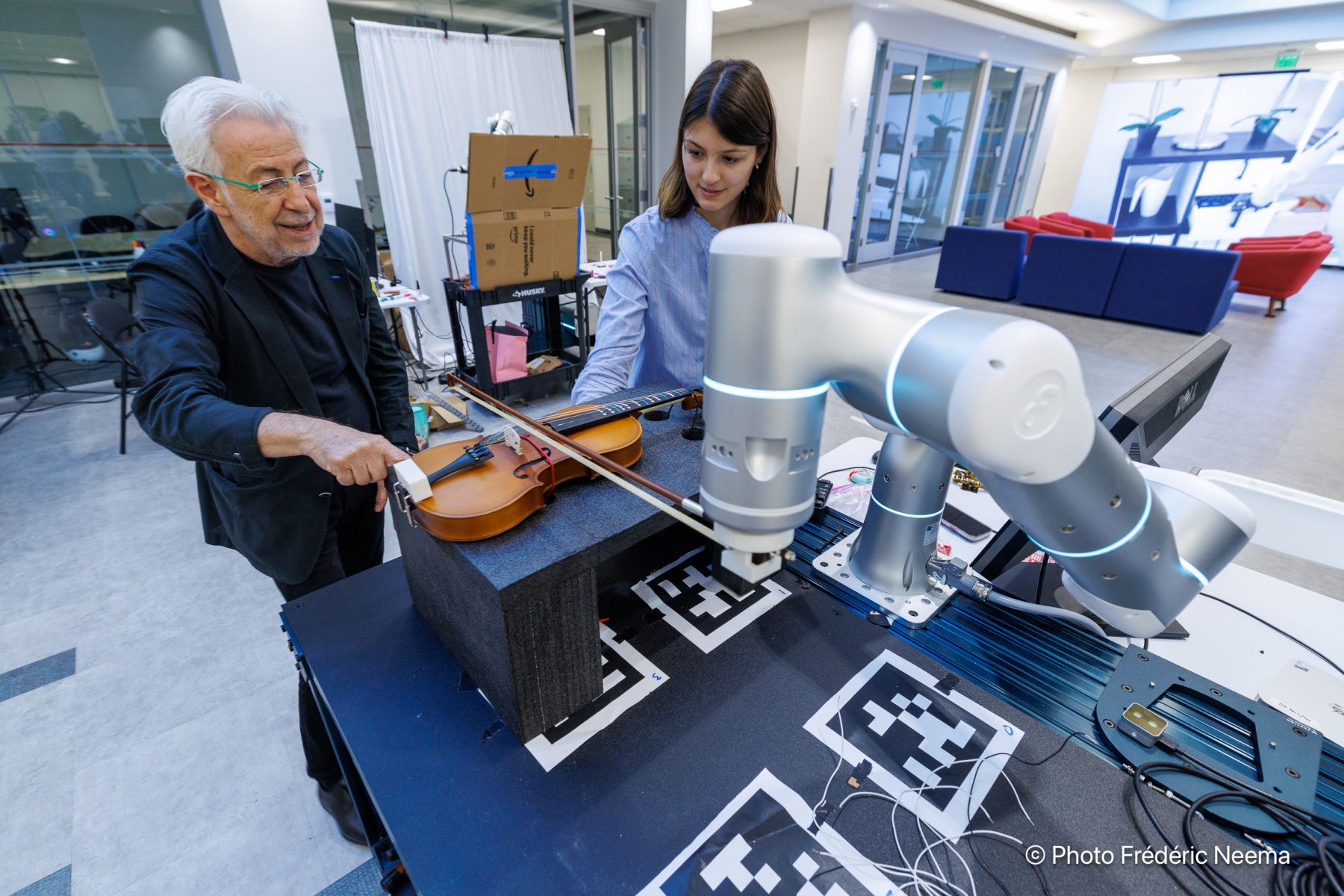
Professor Oussama Khatib is one of the world’s leading pioneers in robotics and human-centered robotic systems.
A professor of computer science at Stanford University and director of the Stanford Robotics Laboratory, he has spent more than four decades advancing the fields of robot control, motion planning, haptics, and human-robot interaction. His groundbreaking work has helped robots operate more safely and effectively in complex environments while working alongside people.
Born in Aleppo, Syria, Khatib earned his doctorate in France before joining Stanford in 1980. He is widely recognized for developing foundational concepts in modern robotics, including the artificial potential field method and operational space control, both of which have had a lasting impact on robot design and motion planning.
Throughout his career, Khatib has received numerous international honors, including the IEEE Robotics and Automation Society Pioneer Award and election to the National Academy of Engineering.